

Should the Chicago Cubs Trade Seiya Suzuki?
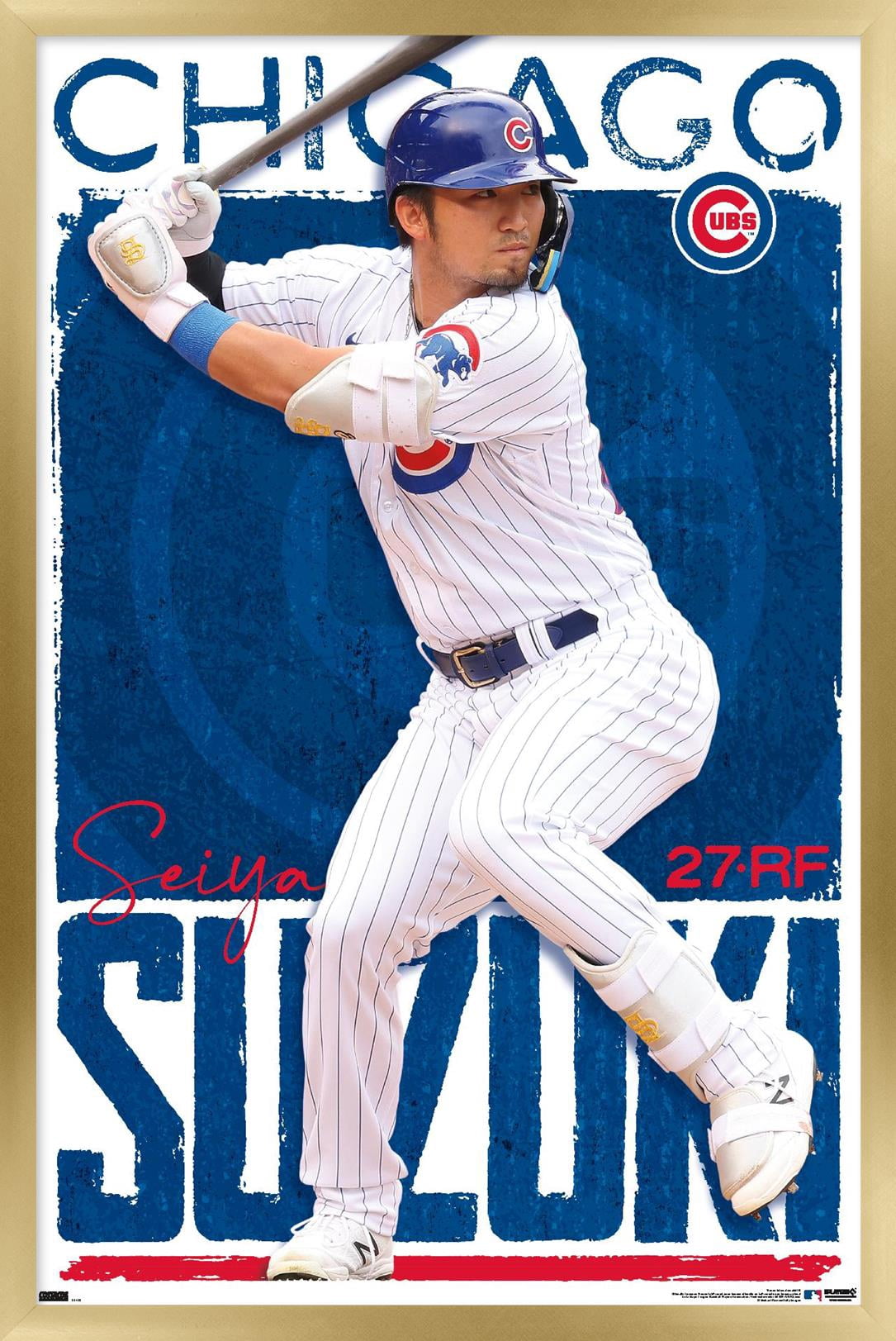
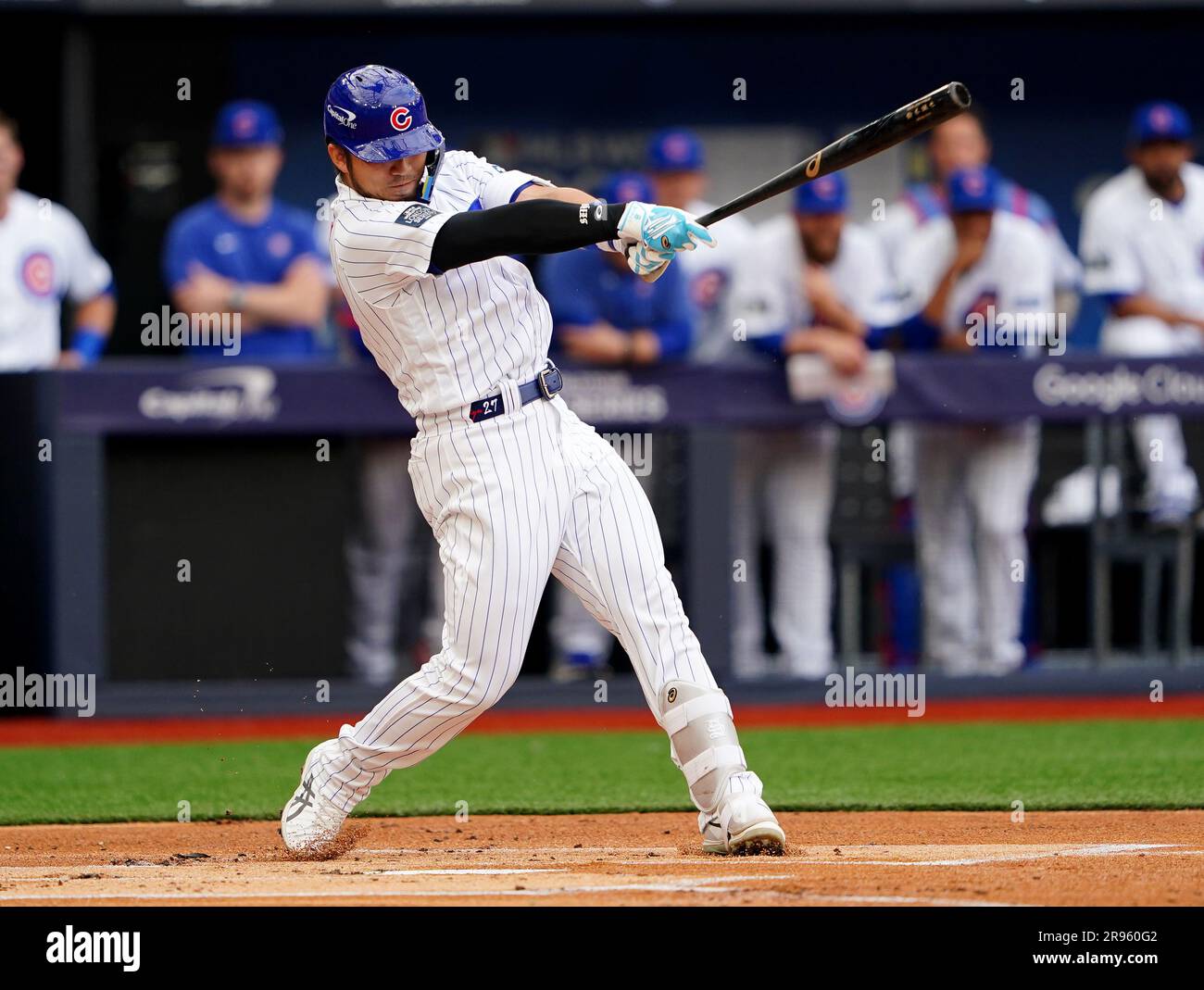
Chicago Cubs outfielder Seiya Suzuki has emerged as a potential trade candidate ahead of the MLB deadline, according to reports from analysts Ken Rosenthal and Dayn Perry. While the Cubs remain within one game of a National League Wild Card spot, the team faces a decision regarding whether to leverage Suzuki’s current market value to address immediate needs, such as starting pitching.
Trade Considerations and Contract Status
The possibility of a trade stems from Suzuki’s upcoming free agency and the Cubs’ long-term roster strategy. According to Ken Rosenthal, while Suzuki holds a no-trade clause, it may be in the player’s interest to waive it to avoid a qualifying offer that could depress his future market value. Brett Taylor of Bleacher Nation notes that while a trade is considered unlikely, the organization may be weighing the benefit of acquiring a starting pitcher against the loss of Suzuki’s offensive production in right field.
Did You Know? Seiya Suzuki’s no-trade clause could be a factor in potential negotiations, as waiving it would allow him to bypass a qualifying offer, a mechanism that remains in place for the upcoming season under the current collective bargaining agreement.
Long-term Roster Management
The Cubs’ reluctance to pursue a long-term extension for Suzuki may be tied to the development of internal prospects. The organization currently holds high expectations for 19-year-old Josiah Hartshorn and prospect Ethan Conrad, both of whom have been identified as future options for the right field position. While neither player is expected to be major-league ready for the current season, their progression creates a potential logjam that influences the front office’s approach to veteran contracts.
Expert Insight: The Cubs are balancing a competitive 2024 window against the reality of a developing farm system. Trading a veteran like Suzuki for immediate pitching depth is a classic “buy-or-sell” dilemma that hinges entirely on the team’s standing in the Wild Card race as the deadline approaches.
Financial and Strategic Implications
If the Cubs choose to move Suzuki, the team would likely look to bridge the gap in right field using a combination of players such as Michael Conforto, Matt Shaw, and other prospects. Analysts suggest that this pivot would be aimed at maintaining postseason contention while simultaneously avoiding a long-term commitment that could block the path of younger players currently rising through the minor leagues. The ultimate decision rests on the team’s internal assessment of their playoff viability and the specific quality of return available on the trade market.
Frequently Asked Questions
Why is Seiya Suzuki a potential trade candidate?
According to reports from Ken Rosenthal and Dayn Perry, Suzuki is a target because he is heading into free agency this winter and could provide value in a trade for a starting pitcher.
What is the primary obstacle to a potential trade?
Suzuki possesses a no-trade clause, though analysts suggest he might waive it to avoid the market-depressing effects of a qualifying offer.
How are minor league prospects affecting the Cubs’ strategy?
The Cubs have highly regarded young players like Josiah Hartshorn and Ethan Conrad who play right field, which may make the front office hesitant to commit to a long-term extension for a veteran in that position.
Would you favor trading a veteran player for immediate pitching help if it meant securing a better chance at a Wild Card spot this season?