
Simple habit lowers stress and boosts key brain chemicals, expert says
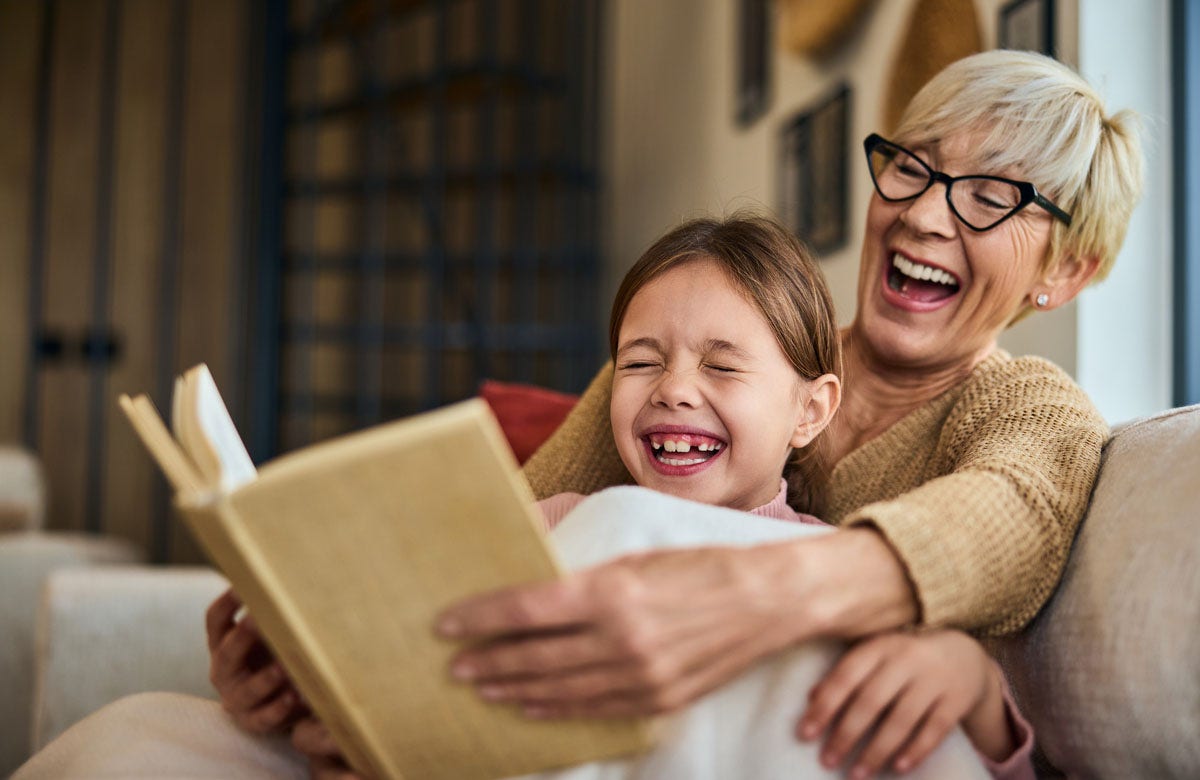
Laughter and play act as vital catalysts for children’s development, promoting healthy brain growth, emotional resilience, and social bonding. According to Jacqueline Harding, Ph.D., an early childhood expert at Middlesex University in London, these joyful interactions alter internal chemistry to reduce stress and enhance cognitive functions long before a child learns to speak.
How does laughter physically change a child’s brain?
Laughter functions as a “mental workout” by activating broad brain networks, including the prefrontal cortex and motor regions. This process helps the brain resolve conflicting ideas, which boosts creativity and engages working memory, according to experts.

At a molecular level, laughter decreases stress hormones such as epinephrine and cortisol. Simultaneously, it increases “happiness chemicals,” specifically endorphins, serotonin, and dopamine.
Why is joyful play better than a strict curriculum?
The emotional state of a young child directly influences how they navigate the world. Jacqueline Harding argues that safe relationships and non-stressful play environments are the primary drivers of learning.
Spontaneous, joyful play serves as an antidote to stress by increasing endorphin release. The American Academy of Pediatrics notes that these interactions help children develop emotional regulation and strengthen their feelings of safety and connection.
What are the risks of prolonged stress in early childhood?
Prolonged stress produces the opposite effect of laughter, negatively impacting both mental and physical health. According to SWNS, chronic stress suppresses immune function and impairs the ability to learn.
It specifically alters the developing limbic system, which is the part of the brain governing long-term memory and emotion. This biological shift can hinder how children process information and manage their feelings.
How could humor be used in the classroom?
Harding advocates for integrating humor directly into educational settings to reduce the cognitive load on students. By uplifting the nervous system, joy creates an optimal environment for absorbing and retaining key concepts.
If schools shift their focus, the curriculum may be viewed as secondary to the fundamental factors of safe relationships and play. This approach could lead to more resilient and receptive students.
Frequently Asked Questions
Which chemicals are boosted by laughter?
Laughter increases dopamine, serotonin, endorphins, and oxytocin, the latter of which helps deepen the emotional bond between parents and children.
How does laughter help with learning?
It engages working memory and boosts creativity by helping the brain resolve conflicting ideas, acting as a biological catalyst for growth.
What is co-regulation in children?
Co-regulation occurs when a child learns to manage their own stress by drawing on a biological store of positive early experiences created through shared joy.
How do you incorporate spontaneous play into your daily routine with children?