
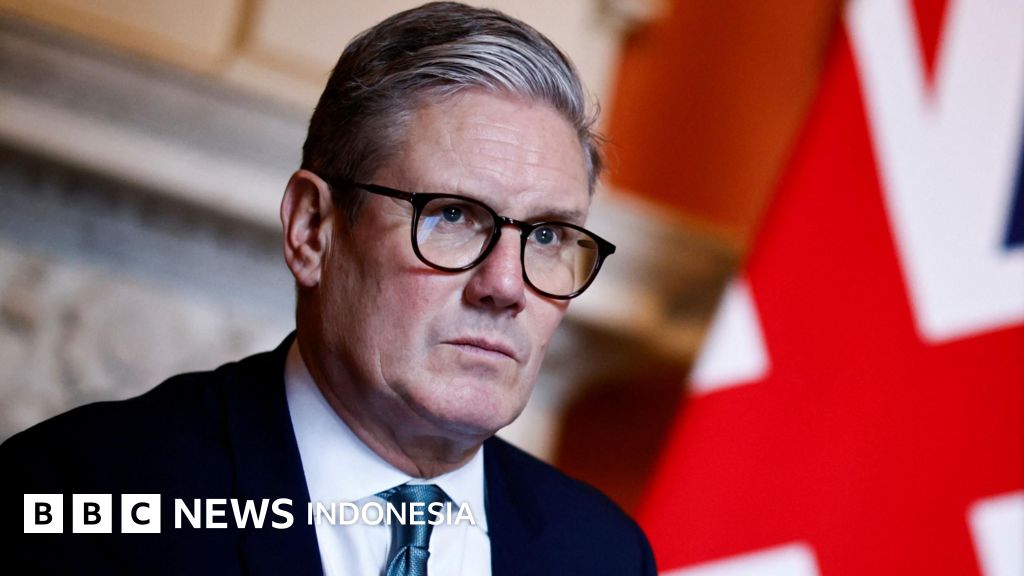
Sir Keir Starmer Resigns as UK Prime Minister and Labour Leader
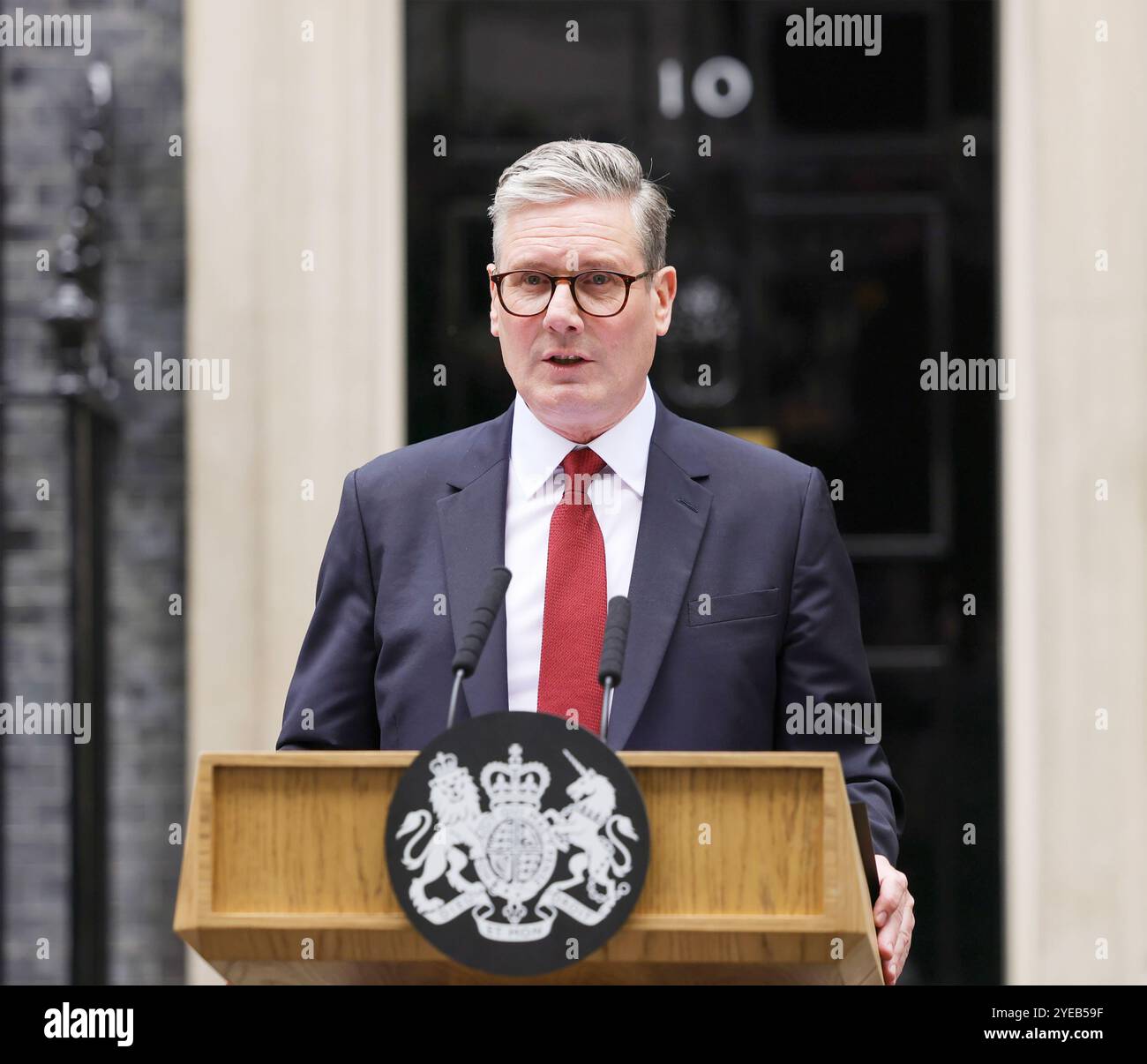
Sir Keir Starmer has announced his resignation as Prime Minister of the United Kingdom and leader of the Labour Party, ending a tenure that began with a landslide victory in 2024. Addressing the nation from outside 10 Downing Street on June 22, 2026, he confirmed he will remain in office until a successor is officially appointed.
The resignation follows intense internal pressure within the Labour Party, driven by declining poll numbers and a series of political setbacks. Sir Keir stated that he accepted the judgment of his party members regarding his suitability to lead them into the next general election.
Sir Keir Starmer’s political career began significantly later than many of his peers; he did not become a Member of Parliament until his 50s, following a career in law.
The Factors Behind the Resignation
Sir Keir’s exit comes after his government faced mounting criticism over policy reversals, economic performance, and personal popularity. According to analysts, the decision to remove winter fuel payments for 10 million pensioners in July 2024 served as a primary trigger for his decline in public support.
Internal party dissent intensified following a string of scandals, including the firing of Lord Mandelson as ambassador to the U.S. and the resignation of Deputy Prime Minister Angela Rayner. Lawmaker Jonathan Hinder noted that many voters perceived the administration’s leadership style as “proceduralism HRD” that lacked a clear, relatable purpose.
Samantha Carter observes that Starmer’s transition from a pragmatist to a perceived “distant” leader illustrates the difficulty of maintaining a mandate built on a single-word campaign promise like “change.” The shift from high-level economic management to the granular, often unpopular realities of governance created a disconnect that eventually alienated both his parliamentary colleagues and the electorate.
What Happens Next
With Sir Keir’s resignation, the Labour Party is set to initiate a leadership contest to determine the next Prime Minister. Andy Burnham, who recently secured a parliamentary seat in a landslide victory at the Makerfield by-election, is widely seen by party members as a potential frontrunner for the position.
The party faces the challenge of stabilizing its governance after losing control of local councils and seats in Wales and Scotland during the May 2026 elections. Observers expect that the incoming leader will need to address the “unclear direction” criticized by departing ministers like Wes Streeting to prevent further gains by Reform UK, which has led Labour in polls since the spring of 2025.
Frequently Asked Questions
Why did Sir Keir Starmer resign?
Sir Keir resigned after members of his own party questioned his leadership and suitability for the next general election, a sentiment exacerbated by record-low personal popularity and poor electoral results in May 2026.

Who will replace Sir Keir Starmer?
The Labour Party will hold a formal leadership contest to select a successor. While no official candidates have been confirmed, Andy Burnham is viewed by many Labour MPs as a likely contender following his recent by-election success.
What was the role of the Epstein documents in this resignation?
The release of new documents regarding Jeffrey Epstein highlighted the ties between the financier and Lord Peter Mandelson, whom Sir Keir had appointed as U.S. ambassador. The controversy led to accusations that the Prime Minister misled Parliament regarding the vetting process for the role, further damaging his authority.
How will the change in leadership affect the current economic and social policies of the United Kingdom?