
Skeleton of the world’s rarest marine mammal preserved by digital imaging | Porpoises
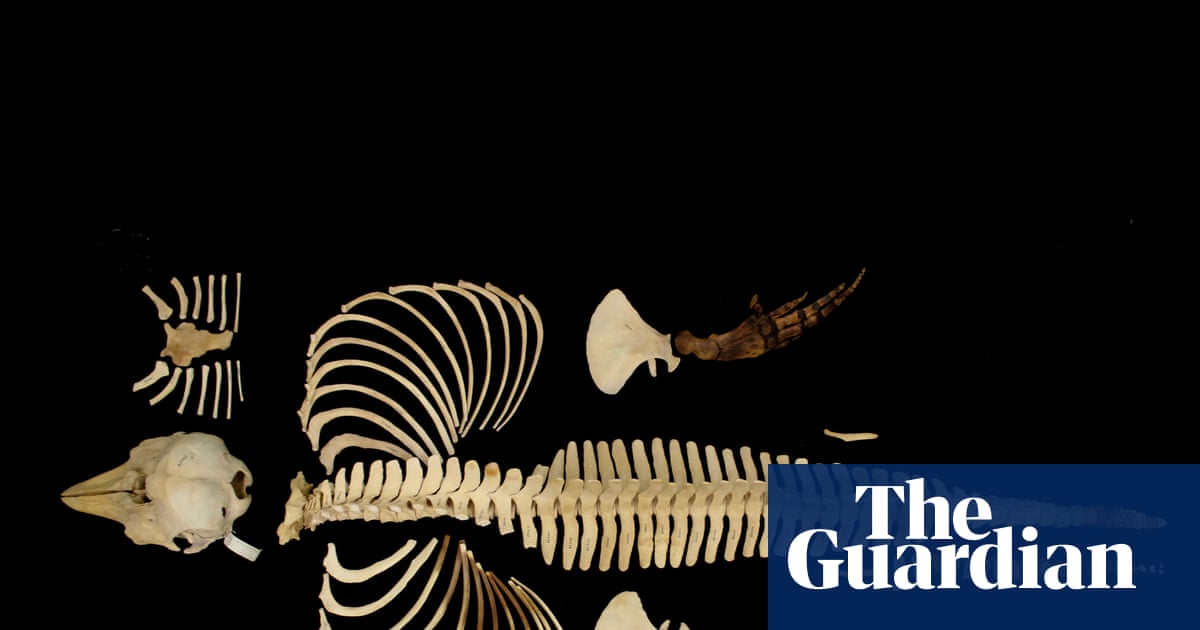
A research team led by Florida Atlantic University has developed a 3D digital reconstruction of a female vaquita skeleton to support conservation. According to the study published in Marine Mammal Science, the project provides open-access anatomical data for the world’s rarest marine mammal, which the WWF estimates has only seven to 10 individuals remaining.
How was the vaquita skeleton digitized?
Researchers combined hospital-grade CT scanning, ultra-high-resolution micro CT scans, and photography to map a female skeleton collected in 1966. The micro CT imaging revealed structures smaller than the width of a human hair, which the team then assembled into three-dimensional models of every bone.
Jamie Knaub, the study’s lead author and a doctoral researcher at Florida Atlantic University, stated that the goal is to provide open access datasets for biodiversity. This approach allows scientists to study the anatomy of the species without risking damage to the few remaining fragile physical specimens.
Why is digital access critical for vaquita conservation?
Physical vaquita skeletons are rare and limited in availability. Knaub noted that museums are often wary of loaning out such fragile specimens, which restricts research for those without direct museum access.
This project mirrors other digitization efforts like oVert in the U.S. and Ozboneviz in Australia. These initiatives remove the reliance on photographs or special permissions, allowing global researchers to examine rare specimens digitally.
What factors drove the vaquita toward extinction?
The species’ decline is linked to illegal fishing operations. According to the source, vaquitas are frequently caught as bycatch in gillnets used to target totoaba, a large fish with a bladder that commands high prices on international hidden markets.
The population collapse is stark. A 1997 survey reported approximately 600 vaquitas in the wild, but current WWF estimates place the number between seven and 10 individuals.
What may happen next for the species?
The available imaging could be used to produce accurate physical replicas for classrooms and museum exhibits. This may help introduce the species to a wider audience and increase general awareness.
Because the datasets are open access, researchers may use this information to further study biodiversity, evolution, and conservation strategies for the remaining population.
Frequently Asked Questions
- What caused the decline of the vaquita? The decline was driven by bycatch in gillnets used by illegal fisheries targeting the totoaba fish for its bladder.
- How many vaquitas are left in the wild? The WWF estimates that between seven and 10 individuals remain.
- Who led the digital reconstruction project? The research was led by Florida Atlantic University, San Diego Natural History Museum, SeaWorld California, and NOAA Fisheries.
Do you believe digital preservation is a sufficient substitute for the loss of physical biodiversity?