
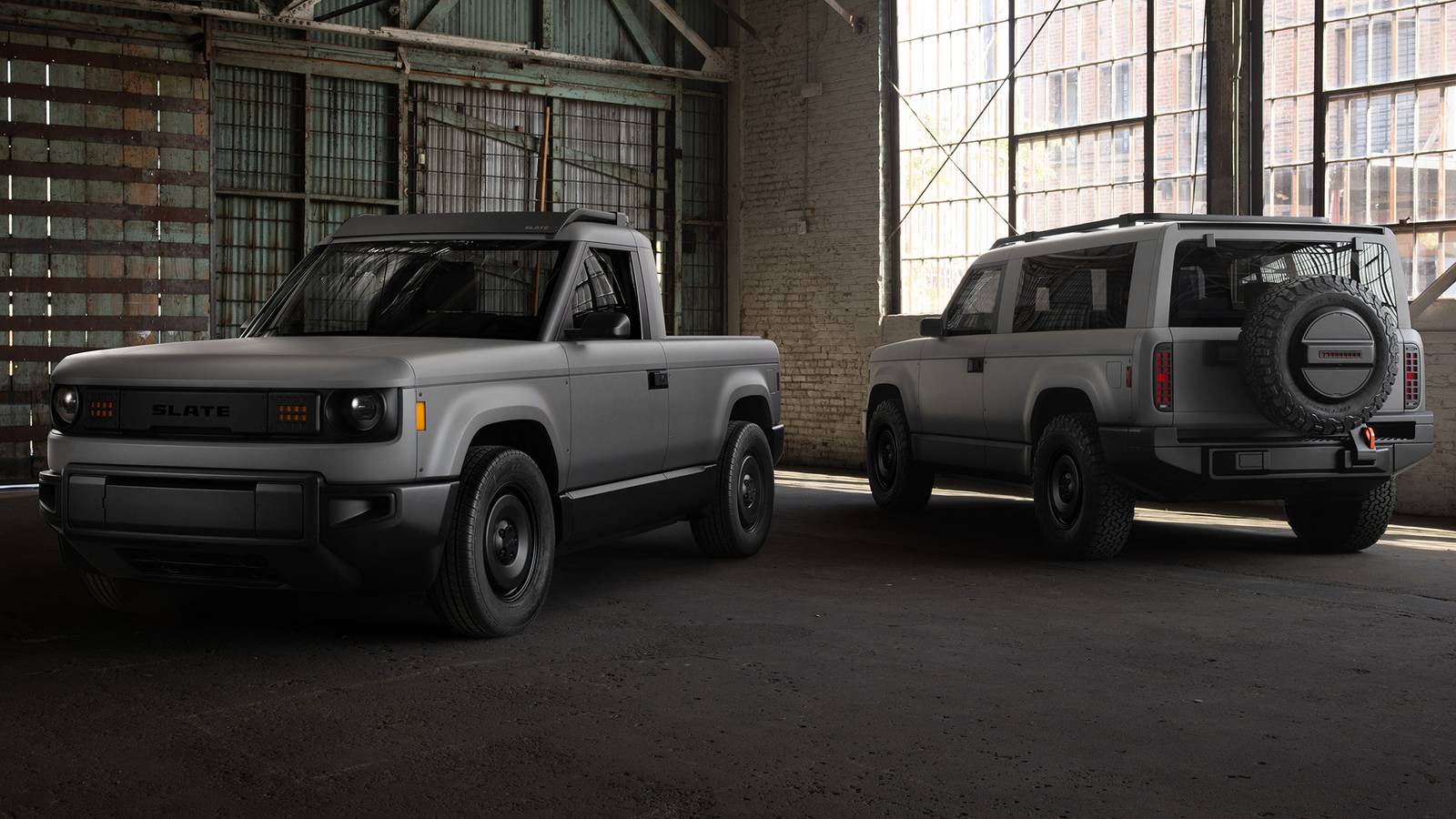
Slate Auto Opens Orders for Affordable Modular EV Truck on June 24
The Rise of the ‘Essentialist’ EV: Why Modularity and Minimalism are Redefining the Road
For years, the electric vehicle (EV) narrative has been dominated by luxury. We’ve seen sleek silhouettes, massive touchscreen dashboards that look like iPads on steroids, and price tags that make the average commuter wince. But the tide is turning. The industry is hitting a wall where “innovation” has become synonymous with “over-engineering.”
The emergence of modular, no-frills electric vehicles marks a pivot toward “essentialism.” Instead of selling a status symbol, the next wave of automotive disruptors is selling a tool. This shift isn’t just about lowering the entry price; it’s a fundamental rethinking of how we consume transportation.
The ‘Lego-fication’ of Transport: The Power of Modularity
Modularity is the holy grail of sustainable manufacturing. Traditionally, if you wanted a truck for work and an SUV for family trips, you bought two vehicles—or one oversized compromise. The trend toward modular chassis allows a single base platform to evolve with the owner’s needs.
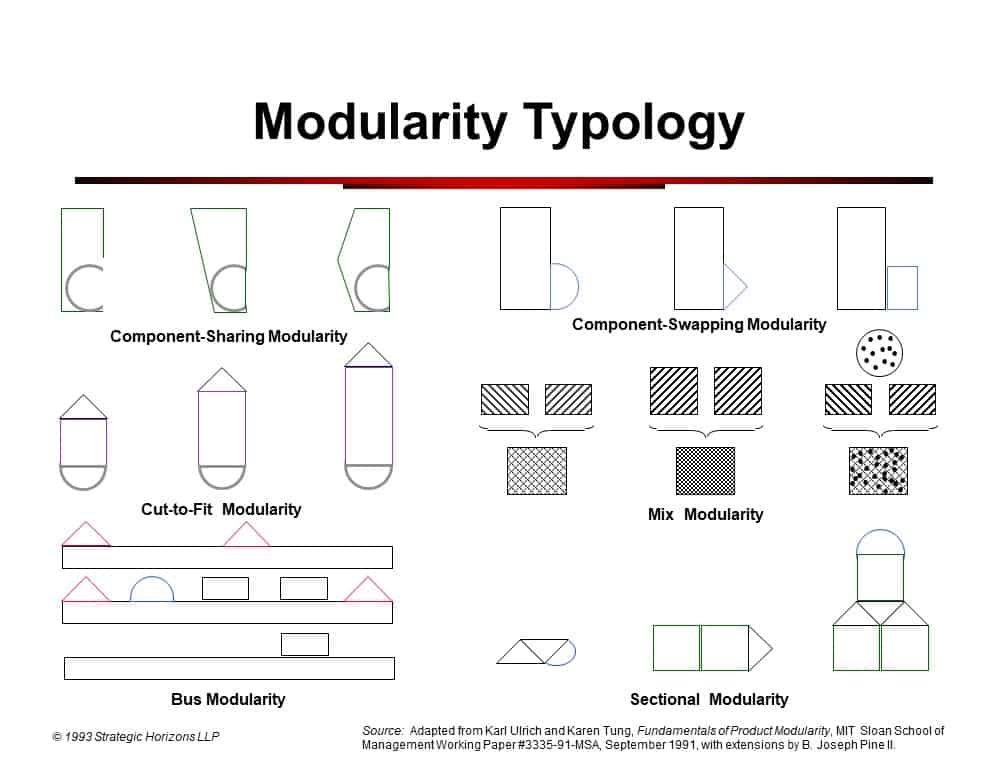
Imagine a world where you don’t trade in your car every five years. Instead, you swap a pickup bed for a passenger cabin or upgrade your battery module as energy density improves. This “plug-and-play” approach mirrors trends we’ve seen in the tech industry, where modular components extend the lifecycle of hardware.
This approach doesn’t just benefit the wallet; it’s a massive win for the environment. By reducing the number of chassis produced and encouraging the upgrade of parts rather than the replacement of entire vehicles, the automotive industry could significantly lower its carbon footprint. The International Energy Agency (IEA) has long highlighted the need for circular economy principles in battery and vehicle production.
Breaking the $25,000 Barrier: The New Battleground
The EV market is currently experiencing a “death valley” phase. While high-end adopters have already made the switch, the mass market remains hesitant. The primary culprit? The price gap between internal combustion engines (ICE) and electric alternatives.
We are seeing a strategic race to hit the mid-$20,000 price point. When a vehicle drops below $25k, it ceases to be a luxury purchase and becomes a viable utility for the working class. This is where the real volume lies.
To achieve this, brands are stripping away the “fluff.” Manual windows, the absence of built-in speakers, and basic interiors aren’t regressions—they are calculated deletions. In a high-inflation economy, consumers are increasingly willing to trade luxury for longevity and low operating costs. [Internal Link: How to Calculate the Real ROI of Switching to an EV]
Economic Psychology: Utility Over Status
There is a psychological shift happening in the consumer market. For a decade, the “Tesla effect” pushed EVs toward being a symbol of wealth and tech-savviness. However, as gas prices fluctuate and economic pressures mount, the “utility-first” mindset is returning.

This is similar to the rise of “dumb phones” among Gen Z or the popularity of minimalist living. People are realising that a vehicle’s primary job is to get them from point A to point B efficiently. When the core product is reliable and affordable, the lack of a built-in navigation screen is a small price to pay for a monthly payment that doesn’t break the bank.
Case in point: Look at the success of micro-mobility in Europe and Asia. Small, functional, and affordable electric pods are outperforming luxury sedans in dense urban environments because they solve a specific problem without adding unnecessary complexity.
FAQs: The Future of Affordable EVs
Q: Will modular EVs be safe?
A: Yes. Modularity typically refers to the body and utility components (beds, seats, shells). The core safety cell, chassis, and battery housing remain engineered to meet rigorous crash-test standards.
Q: Why use a phone for infotainment instead of a built-in screen?
A: Hardware ages quickly. A built-in screen from 2024 will feel ancient by 2028. By using your own device, you ensure your interface is always the latest version without needing to upgrade your car.
Q: Is a “no-frills” EV actually cheaper to maintain?
A: Generally, yes. Fewer electronic gadgets and luxury sensors mean fewer components that can fail over time, reducing long-term repair costs.
What do you think? Would you sacrifice power windows and a built-in stereo to save $10,000 on a new electric truck? Let us know in the comments below, or subscribe to our newsletter for the latest insights into the future of mobility.