
Smithsonian women’s museum launches augmented reality experience after congressional setback – The Art Newspaper
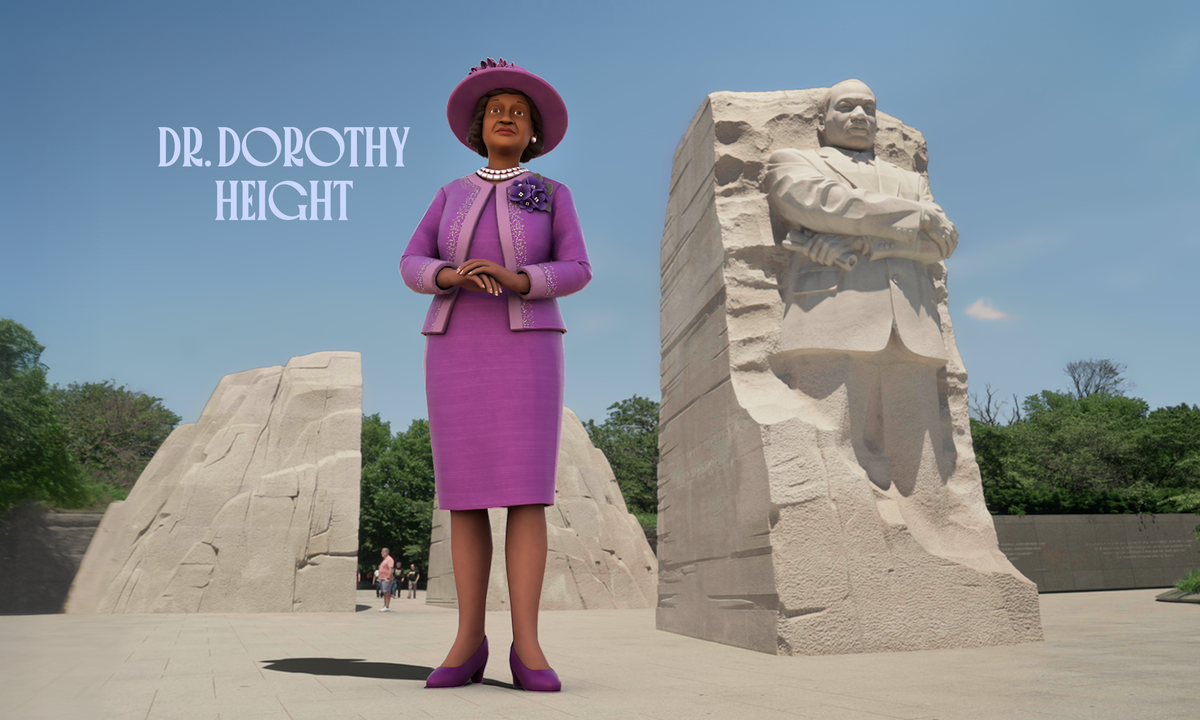
The Smithsonian American Women’s History Museum has launched “Unhidden Heroines,” an augmented reality (AR) experience on Washington, DC’s National Mall, according to The Art Newspaper. The initiative features five under-recognized women and serves as a virtual presence while the museum awaits a physical site following a US House bill rejection.
Why did the Smithsonian launch an AR museum experience?
The Smithsonian American Women’s History Museum launched the AR project to establish a presence on the National Mall after the US House of Representatives rejected a bill to designate a physical site for the museum. Republican lawmakers amended the previously bipartisan legislation to exclude transgender women from programming and to give President Donald Trump veto power over the museum’s location, The Art Newspaper reports.
Melanie Adams, the museum’s interim director, told The Art Newspaper that the AR experience “meets people where they are” while the institution waits for a permanent home. The project allows the museum to engage with a portion of the 36 million annual visitors to the Mall despite the lack of a physical building.
Which women are featured in the Unhidden Heroines AR tour?
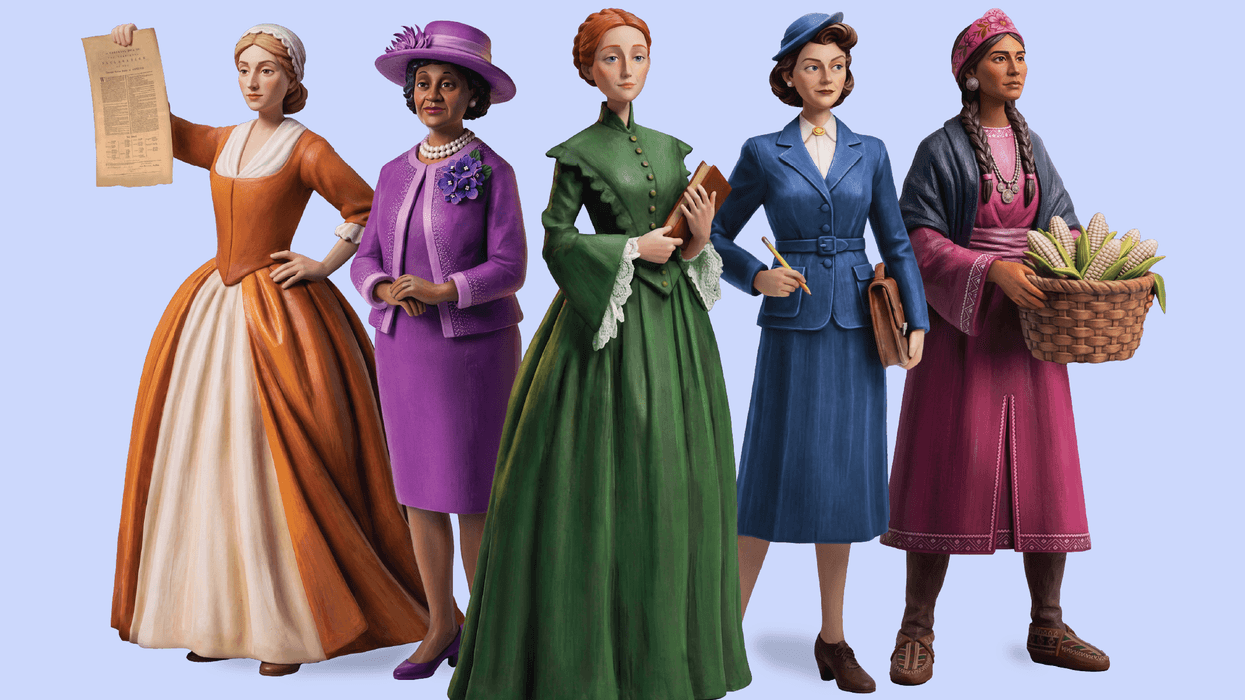
The experience features five trailblazing women, each paired with a specific monument on the National Mall to highlight the lack of female representation in the area’s public monuments. Users access the stories via mobile phones or tablets.

- Dorothy Height: A Black activist and “godmother of the Civil Rights Movement” featured at the Martin Luther King Jr. Memorial.
- Julia Ward Howe: The poet and suffragist who wrote “Battle Hymn of the Republic,” located at the Lincoln Memorial.
- Mary Katharine Goddard: A Maryland printer who published the first version of the Declaration of Independence listing signatories, paired with the Thomas Jefferson Memorial.
- Elizebeth Smith Friedman: A 1940s codebreaker.
- Polly Cooper: A member of the Oneida tribe who assisted George Washington’s army.
Claire Stokes, an associate creative director at Goodby, Silverstein and Partners, stated during a press preview that the 3D figures were designed to be “monument-sized” to match the stature of the male figures already present on the Mall.
How does virtual reality solve physical site disputes?
Virtual initiatives allow cultural institutions to bypass legislative gridlock and zoning disputes. While a physical building can take over a decade to realize, AR deployments can be developed in under a year. This shift transforms the National Mall into a hybrid space where history is layered digitally over physical stone.
Adams notes that “Unhidden Heroines” serves as a testing ground. The museum uses the AR data to gauge visitor interest and refine how they deliver information before committing to a permanent architectural design. This approach reduces the financial risk of building a facility that may not align with modern visitor preferences for interactive content.
The shift toward gamified history
The museum has integrated gamification to increase dwell time. Visitors are incentivized to collect hidden artifacts across all five stories to earn a reward. This reflects a broader trend in museum curation where “scavenger hunt” mechanics are used to encourage deeper exploration of educational content.
By making the experience accessible remotely via smartphones, the Smithsonian is also expanding its reach beyond DC tourists to a national audience, ensuring the museum’s mandate continues regardless of its physical status.
Frequently Asked Questions
What is the Unhidden Heroines AR experience?
It is a free, mobile-based augmented reality tour on the National Mall that tells the stories of five under-recognized American women through 3D animations and first-person narration.
Why isn’t there a physical Women’s History Museum yet?
According to The Art Newspaper, a recent bill to designate a site was rejected by the US House after amendments were added regarding the exclusion of transgender women and presidential veto power over the location.
Who designed the AR experience?
The experience was designed by the agency Goodby, Silverstein and Partners.
How long is the AR tour available?
The experience is scheduled to run until December 31.
What do you think about the use of AR to replace physical monuments? Does a virtual presence provide the same historical weight as a stone building? Let us know in the comments below or subscribe to our newsletter for more updates on digital heritage.