
Smut disease threatened to destroy sugarcane farming but instead it reshaped industry
On June 9, 2006, the first detection of sugarcane smut on Joe Russo’s farm in Childers, Queensland, triggered a biosecurity crisis that reshaped the Australian sugar industry. The fungal disease, Ustilago scitaminea, spread across major growing areas by 2008, forcing a shift from failed eradication efforts to long-term management and genetic resistance.
The outbreak began 320 kilometres north of Brisbane. Joe Russo recalls a scene of total shutdown, with biosecurity crews in hazmat suits and quarantine tape blocking his paddocks. “I couldn’t even move to the shed,” Russo said.
The timing was critical, occurring just as the industry approached its annual harvest. The detection forced the redirection of cane and required plants to be trucked down from North Queensland to keep operations moving.
How did sugarcane smut spread across Queensland?
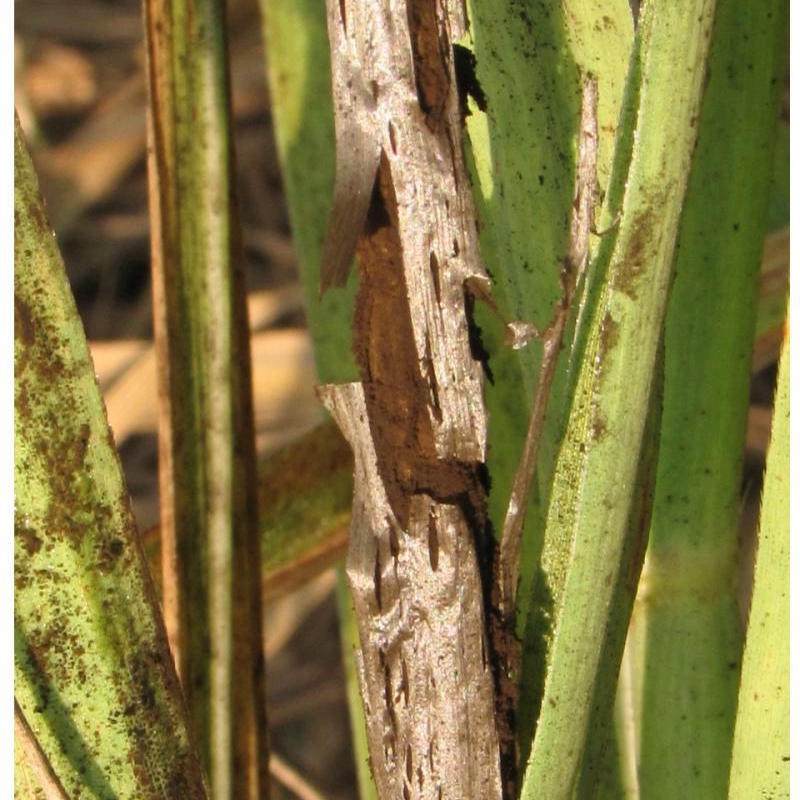
The disease is caused by a fungus spread through airborne spores. It is typically identified by a black, whip-like structure growing from the top of the cane stalk, which stunts plant growth and can kill the entire plant.

Within five months of the initial discovery, more than 50 farms in the Childers and Bundaberg region were under quarantine. By November 2006, smut reached Mackay, and by the end of 2008, all remaining major cane-growing areas in Queensland were infected.
Why was the outbreak a significant threat?
The alarm was justified because 78 per cent of the cane grown in the Bundaberg-Childers region at the time consisted of susceptible varieties. The disease had already devastated crops in Brazil, posing a clear risk of total crop failure.
When initial eradication plans failed, the Queensland government committed $15.6 million over four years to combat the disease. This failure forced the industry to move from a reactive stance to one of management.
How did the “Smut Buster Program” save the industry?
Sugar Research Australia accelerated the Smut Buster Program to develop resistant clones. Plant breeder Alison Jensen explains that they used high-value parent varieties to breed resistance without sacrificing the yields the industry relies on.
The results were dramatic. When the program started, less than 10 per cent of Australian sugarcane varieties were resistant to smut. Today, that figure has risen to more than 90 per cent.
Testing is now integrated early in the breeding process. New clones are transferred to a pathology site at Woodford to be tested for smut, as well as leaf scald and Fiji leaf gall, before they are released to the industry.
What happens next for sugarcane biosecurity?
Industry leaders, including Canegrowers CEO Dan Galligan, suggest that the sector is now better prepared for future outbreaks. The focus has shifted toward anticipatory surveillance in partnership with other industries.
Future efforts may involve increased global monitoring to identify risks in other countries before they reach Australian shores. The industry is likely to continue relying on the Woodford pathology site to ensure new varieties do not pose a risk of yield loss.
While Joe Russo still spots the occasional smut in his rows, he says it is no longer the “big bad thing” they once feared. The experience may serve as a permanent blueprint for how the sector handles the next biological threat.
Frequently Asked Questions
What is sugarcane smut?
It is a fungal disease (Ustilago scitaminea) spread by airborne spores that stunts growth and is marked by a black whip-like structure on the cane stalk.
How much funding did the government provide?
The Queensland government committed $15.6 million over four years to fight the disease.
What is the current resistance rate of Australian sugarcane?
Due to the Smut Buster Program, more than 90 per cent of varieties are now resistant, compared to less than 10 per cent at the start of the program.
Do you think anticipatory surveillance is the most effective way to protect national agriculture from global diseases?