
Social Media Crime Recruitment: Warning for Youth and Parents
The Fribourg Cantonal Police (Kantonspolizei Freiburg) warn that criminal organizations are using TikTok, Snapchat, and Telegram to recruit minors for illegal activities, promising quick cash for tasks like credit card fraud and money laundering. According to the police, these recruits often face coercion and severe legal penalties, including permanent criminal records and the obligation to repay stolen funds.
How do criminals recruit youth on social media?
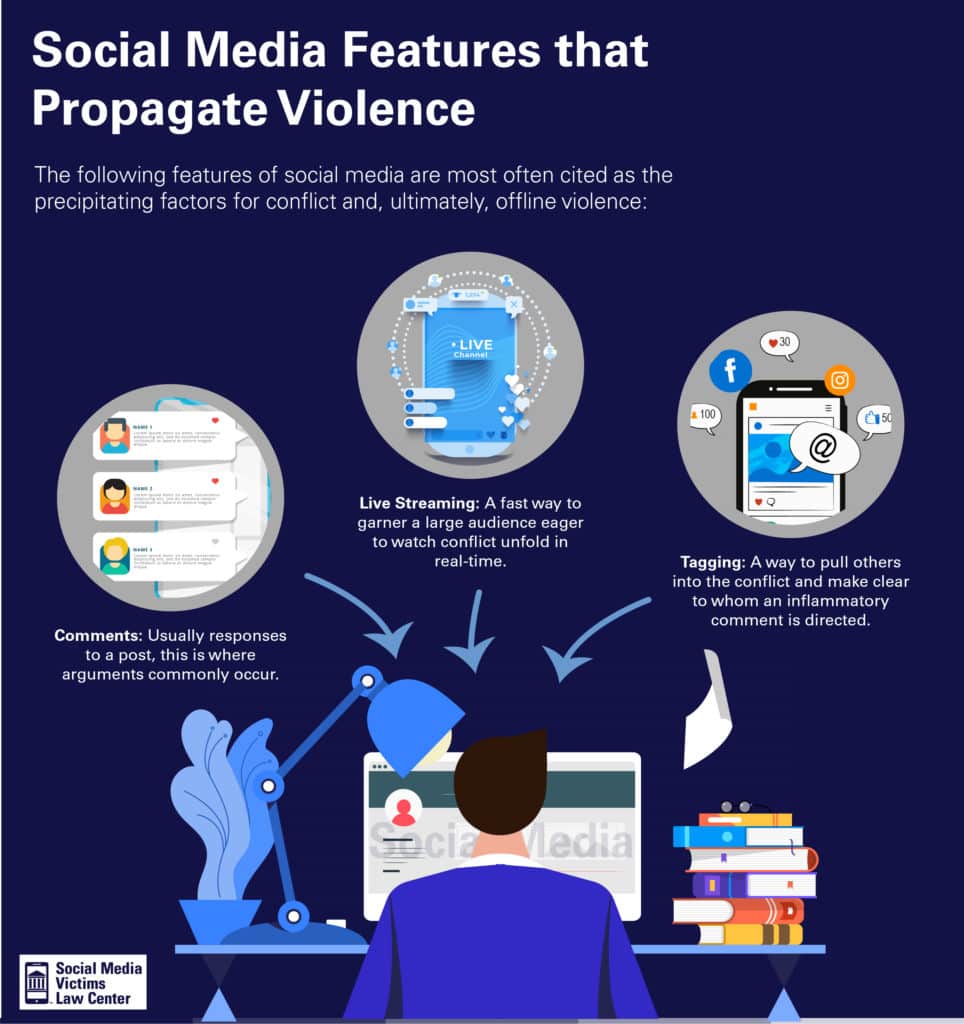
Criminal networks target teenagers and young adults through stories, posts, and direct messages on platforms like Snapchat and TikTok. These recruiters use youth-oriented language, emojis, and memes to build trust and make illegal “jobs” appear attractive. According to the Kantonspolizei Freiburg, the primary hook is the promise of fast, easy money.
The tasks are rarely legitimate. Recruits are asked to collect credit cards, withdraw cash from ATMs, or participate in broader fraud schemes. Many of the masterminds behind these operations reside abroad, using the anonymity of the internet to manage local “mules” who take the physical risks.
What happens after a teenager accepts an offer?
The process shifts from attraction to coercion once the recruit provides personal information. Criminals request photos of identity cards, home addresses, and phone numbers. The Kantonspolizei Freiburg reports that these details are then used to exert pressure and blackmail the youth into further compliance.

In some cases, the criminal organization takes complete control of the individual. The organization dictates where the youth goes, what they do, and may even provide housing to isolate them from their family and support systems. While the promised payouts are high, the actual money received is typically much lower than advertised.
What are the legal risks for “money mules”?
Participating in these schemes leads to immediate and long-term legal consequences. The Kantonspolizei Freiburg lists several specific risks for involved youth:
- Arrest and incarceration.
- Police house searches and seizure of electronic devices.
- Prosecution for aiding and abetting fraud.
- A permanent entry in the criminal register.
- Court-ordered repayment of stolen funds to the victims.
These consequences can impact future employment opportunities and educational prospects, transforming a “quick cash” opportunity into a lifelong liability.
How can families prevent social media recruitment?
Prevention relies on open communication and digital literacy. The Kantonspolizei Freiburg recommends that parents regularly discuss the manipulation methods used by online criminals. Parents should alert their children to the fact that any offer of “easy money” from a stranger is a red flag.
For youth, the police advise a strict policy of distrust toward online financial offers. They should never transport money, bank cards, or items for strangers and must never share sensitive data—such as ID photos or bank details—with online acquaintances. When in doubt, the police urge youth to contact parents, teachers, or law enforcement.
For more information on digital safety, visit the Federal Office of Police (fedpol) or check our guide on protecting minors online.
Frequently Asked Questions
Can a minor be arrested for being a money mule?
Yes. According to the Kantonspolizei Freiburg, youth participating in these activities face arrest, prosecution, and the possibility of a criminal record.

Which apps are most commonly used for these scams?
Criminals frequently use Snapchat, TikTok, and Telegram to reach and communicate with young targets.
What should I do if my child has already shared their ID with someone online?
The Kantonspolizei Freiburg recommends contacting the police immediately to report the incident and seek guidance on preventing identity theft or coercion.
Do I get in trouble if I was just following orders?
Yes. The police emphasize that executing an order for someone else does not remove your legal liability for the crime.
Have you or your children encountered suspicious job offers on social media? Share your experience in the comments below to help warn others, or subscribe to our newsletter for more safety alerts.