

Somali Piracy Resurges as Global Focus Shifts to Strait of Hormuz
The Return of the High Seas Outlaws: Is Global Shipping Entering a New Era of Piracy?
For years, the phrase “Somali piracy” felt like a relic of the past—a cinematic plot point epitomized by the harrowing events of the Captain Phillips era. But for those of us tracking maritime intelligence, the warning signs have been flashing red. We are witnessing a dangerous resurgence of piracy in the waters off the Horn of Africa, and it isn’t happening in a vacuum.
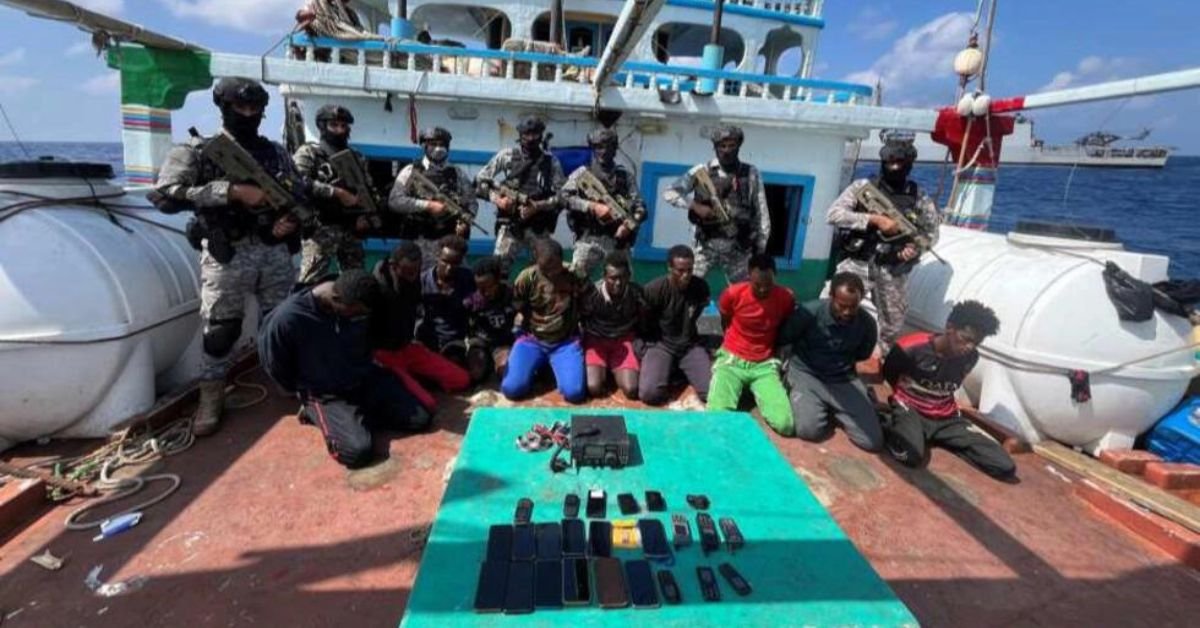
The recent hijacking of the Honour 25 oil tanker, along with the seizures of the Sword and the Eureka, signals a shift. These aren’t random acts of desperation; they are calculated moves by pirate groups who have realized that the world’s gaze has shifted elsewhere.
Why Now? The “Security Vacuum” Effect
Maritime security is often a zero-sum game of resources. Currently, the global economy is hyper-focused on the Strait of Hormuz and the volatile geopolitical tensions surrounding Iran. When the U.S. Navy, NATO, and EU naval assets are redeployed to protect one critical chokepoint, they inevitably leave another exposed.

The Hormuz Distraction
The “Hormuz Effect” creates a security vacuum. As warships are tied up in the Middle East, the vast expanse of the Indian Ocean becomes a playground for opportunistic actors. Pirates are not just watching the ships; they are watching the navies. When the patrol frequency drops, the risk appetite of pirate groups rises.
economic incentives are playing a massive role. With fluctuating global fuel prices, high-value tankers become prime targets. Intelligence suggests that some pirates are now bypassing smaller merchant ships specifically to hunt for oil tankers, indicating a more strategic approach to their “business model.”
The Cost of Complacency: Lessons from 2011
Between 2009 and 2011, the shipping industry adopted a “fortress” mentality. Vessels were equipped with razor wire, “citadels” (impenetrable safe rooms for crews), and armed private security guards. These measures, combined with an international naval coalition, effectively crushed the piracy wave.

However, security is expensive. Over time, as attacks dwindled, many shipping companies began to cut costs. Private security contracts were cancelled, and physical deterrents were neglected. This complacency has created a vulnerability that Somali pirates are now eager to exploit.
Future Trends: What to Expect in Maritime Security
Looking ahead, we can expect maritime security to evolve in several key directions. The era of relying solely on a few international navies is likely over; the world is too volatile for that.
1. The Rise of Hybrid Security Models
We will likely see a shift toward “hybrid security,” where shipping companies combine AI-driven maritime intelligence—like that provided by the International Maritime Organization (IMO)—with targeted private security. Real-time tracking and predictive analytics will allow ships to reroute before they enter a pirate’s strike zone.
2. Regionalized Naval Responsibility
Instead of relying on the U.S. Or EU, there will be a push for regional powers in East Africa and the Indian Ocean to take a more permanent lead in policing their own waters. This reduces the “vacuum effect” when Western navies are called away to other global crises.
3. Targeted High-Value Hijackings
Rather than the “spray and pray” method of the past, expect pirates to use better intelligence to target specific vessels. By monitoring shipping manifests and fuel cargo, they can ensure that any hijacking yields the highest possible ransom.
Frequently Asked Questions
Q: Is it safe for commercial ships to sail near Somalia right now?
A: While the majority of ships pass safely, the risk has increased. It is highly recommended to follow current maritime security advisories and employ BMPs (Best Management Practices).
Q: Why can’t navies be everywhere at once?
A: Naval resources are finite. When major conflicts arise in areas like the Strait of Hormuz or the South China Sea, assets are moved to protect the highest volume of global trade, often leaving secondary routes less guarded.
Q: Do pirates still use the same tactics as they did in 2011?
A: The basic boarding tactics remain similar, but their targeting has become more sophisticated, focusing on high-value assets and timing their attacks based on naval patrol gaps.
What do you think? Should shipping companies be mandated to carry private security in high-risk zones, or should the burden of protection fall entirely on international navies? Share your thoughts in the comments below or subscribe to our Maritime Security newsletter for weekly intelligence updates.