
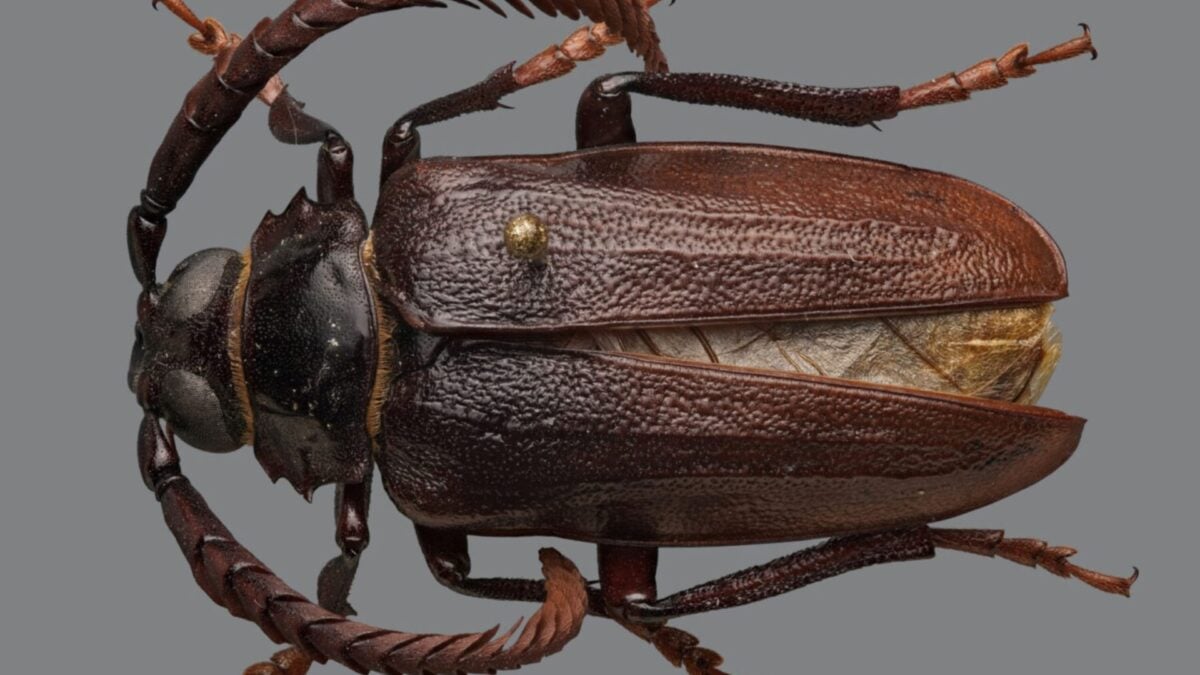
Something’s Killing North Carolina’s Blueberries. Scientists Finally Found the Culprit
The New Era of Agricultural Detective Work: Why Molecular ID is a Game Changer
For decades, farmers have fought a losing battle against “invisible” enemies. When a crop fails, the culprit is often hidden beneath the soil or looks identical to a dozen other harmless insects. The recent identification of Prionus imbricornis in North Carolina’s blueberry fields isn’t just a win for local farmers; it’s a glimpse into the future of global food security.
We are moving away from the “spray and pray” method—where broad-spectrum insecticides are dumped on fields in hopes of hitting the right target—and toward precision pest management. By using genetic sequencing and pheromone trapping, scientists can now identify the exact DNA of a pest, allowing for a surgical approach to eradication.
The Climate Connection: Why Pests are Moving
The appearance of P. Imbricornis in new territories isn’t an isolated incident. As global temperatures shift, we are seeing a massive “migration” of agricultural pests. Insects that were once confined to warmer southern climates are moving north, encountering crops that have zero natural immunity or evolved defenses.
This trend is creating a “perfect storm” for agriculture. When an invasive species enters a new ecosystem, they often lack natural predators, leading to exponential population growth. We’ve seen similar patterns with the USDA’s monitoring of various invasive borers and beetles across the Midwest and East Coast.
In the coming years, expect to see “Early Warning Systems” that combine satellite weather data with AI to predict where a pest will migrate next, allowing farmers to prepare their soil before the first egg is even laid.
Beyond Chemicals: The Future of Integrated Pest Management (IPM)
The fight against the longhorn beetle highlights a critical shift in how we protect our food. The goal is no longer just “killing the bug,” but implementing Integrated Pest Management (IPM). This approach combines biological, cultural, and chemical tools to minimize environmental impact.
The Rise of Pheromone Technology
One of the most promising trends is the use of synthetic pheromones. Instead of treating an entire field, farmers can use pheromone traps to confuse male insects or lure them away from the crops. This disrupts the mating cycle without introducing toxins into the soil or water table.
Biological Control and “Good” Bugs
We are seeing a surge in the use of entomopathogenic fungi and nematodes—essentially “beneficial” organisms that hunt the pests. For root-feeding larvae like those of the Prionus beetle, the future likely lies in soil-applied biological agents that target the larvae specifically, leaving the surrounding ecosystem untouched.
The Economic Stakes of “Hidden” Pests
The financial impact of root-feeding pests is staggering because the damage is invisible until it’s too late. By the time a blueberry bush begins to wilt, the root system may already be decimated. This “lag time” in detection leads to massive crop losses and wasted investment.
Industry data suggests that precision identification can reduce crop loss by up to 30% by enabling faster, more accurate interventions. For a state like North Carolina, producing millions of pounds of fruit, the difference between a generic treatment and a species-specific one is measured in millions of dollars.
As we look forward, the integration of smart farming technology—such as soil sensors that detect chemical signals released by stressed roots—will likely become the standard for high-value crops.
Frequently Asked Questions
Q: Why is identifying the specific species of beetle so important?
A: Different species have different life cycles and vulnerabilities. A treatment that works for one beetle might be completely ineffective for another, or it might be applied at the wrong time of year to be effective.
Q: Are these beetles a threat to home gardens?
A: While primarily an agricultural concern, any root-feeding pest can impact home landscaping. Monitoring for unexplained wilting in woody shrubs is the first step in detection.
Q: Will this lead to more chemicals being used in farming?
A: Actually, the opposite. Molecular identification allows for targeted application, meaning farmers can use fewer chemicals by applying them only where and when they are truly needed.
What do you think about the shift toward genetic tracking in our food supply? Does the idea of “precision farming” make you feel more confident about food security, or do you have concerns about the technology? Let us know in the comments below or subscribe to our newsletter for more insights into the future of agriculture.