

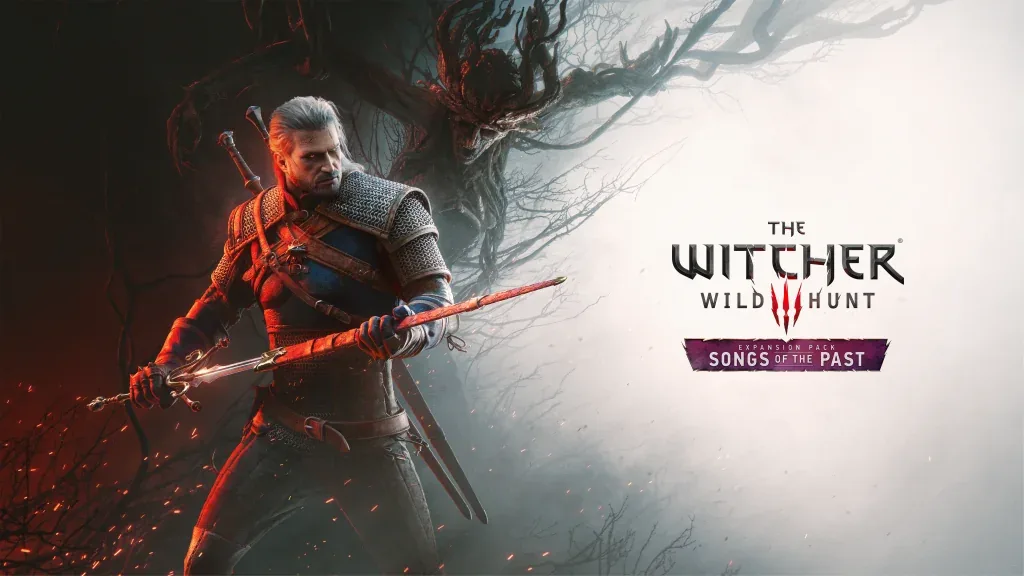
Songs of the Past Expansion’s Size and Story Teased by CD Projekt
The Rise of the “Living Legacy” Game: Why Long-Term Support is the New Gold Standard
For years, the gaming industry followed a predictable cycle: release a hit, drop a few cosmetic DLCs, and move on to the sequel. But CD Projekt Red is rewriting that playbook with the announcement of Songs of the Past, an expansion arriving more than a decade after the original launch of The Witcher 3.
This isn’t just a nostalgic cash grab; it’s a strategic shift toward the “Living Legacy” model. By treating a masterpiece as a platform rather than a finished product, developers can maintain a player base for decades, effectively turning a single-player RPG into a perennial revenue stream.
We’ve seen similar trajectories with titles like Minecraft or No Man’s Sky, but applying this to a narrative-driven, single-player experience is a bold move. It suggests a future where the line between “game” and “platform” blurs, allowing stories to evolve in real-time as the industry’s technology advances.
Narrative Bridges: Turning DLC into Sequel Prologues
One of the most intriguing aspects of Songs of the Past is its potential role as a bridge to the next era of the franchise. Instead of leaving a decade-long gap between stories, developers are now using high-value expansions to plant seeds for future sequels.
This “bridge strategy” solves a common problem in long-term development: player attrition. By releasing a substantial story expansion before a full sequel, studios can refresh the lore, introduce new mechanics, and re-engage the community without the immense pressure of a full-scale launch.
Why this beats a simple remake
While remakes are popular, they often feel like a coat of paint on an old house. A narrative expansion, however, adds actual value. It provides new lore and character arcs that make the original game feel “new” again, while simultaneously acting as a soft launch for the sequel’s themes.
If you want to see how this works in practice, look at how Rockstar Games manages their ecosystem, keeping players embedded in a world long before the next numbered entry arrives.
The “Blood and Wine” Standard: Quality Over Frequency
The gaming world is currently exhausted by the “Battle Pass” and “Micro-transaction” fatigue. CD Projekt Red’s insistence that Songs of the Past will be a full-scale expansion—aligned with the massive scope of Blood and Wine—is a direct response to this trend.
The trend is shifting back toward “Expansion Packs.” Players are increasingly willing to pay a premium price for content that feels like a standalone game rather than a series of fragmented updates. This approach builds immense brand trust and loyalty.
By focusing on depth—new regions, complex quests, and significant gear like the mysterious new sword teased in the Belleteyn artwork—developers create “event gaming.” These are moments that dominate social media conversations and drive organic growth through word-of-mouth.
Community Ecosystems: The Power of Mods and Mini-Games
The commitment to cross-platform mod support and the addition of new Gwent cards reveals another trend: the “Gamification of the Ecosystem.” CD Projekt Red isn’t just selling a story; they are maintaining a hobby.
Gwent evolved from a simple in-game activity to a standalone phenomenon. This proves that “games within games” are powerful tools for retention. When players invest time into a sub-system, they stay connected to the IP even when the main story is over.
official mod support transforms the community from passive consumers into active creators. This effectively crowdsources the game’s longevity, as the community creates content that keeps the game relevant on platforms like Nexus Mods.
Frequently Asked Questions
What is the difference between a DLC and an expansion?
DLC (Downloadable Content) can be as small as a new skin or a single quest. An expansion, like Songs of the Past, typically adds significant new landmasses, hours of story, and new gameplay mechanics, often mirroring the scale of a smaller standalone game.
How does a “bridge” expansion help a sequel?
It allows developers to introduce new plot points or characters that will be central to the next game, ensuring that the transition between titles feels seamless and that the player base is primed and excited.
Why is cross-platform mod support important?
Traditionally, mods were a PC-only luxury. Bringing that support to consoles (PS5, Xbox Series X/S) exponentially increases the number of people who can customize their experience, drastically extending the game’s lifespan across all platforms.
Join the Conversation
Do you think the “Living Legacy” model is the future of gaming, or should developers move on to new projects instead of revisiting old hits? Let us know in the comments below!
Want more industry insights? Subscribe to our Gaming Trends Newsletter to stay ahead of the curve.