

Sony to End Streaming Support for 71 Legacy Audio and Video Devices in November 2026
Sony will disable streaming services on 71 legacy audio and video devices on November 17, 2026, according to official company support documentation. Affected hardware, including Blu-ray players, home theater systems, and soundbars, will lose access to platforms like Netflix, Spotify, and Amazon Prime Video. Sony has not announced replacement software or hardware solutions for the impacted users, effectively limiting these devices to local playback functions.
Which Sony devices are losing streaming support?
Sony’s upcoming service termination impacts seven distinct product categories released primarily between 2010 and 2016. According to the manufacturer’s official support pages, the list includes 17 Blu-ray players from the BDP-BX and BDP-S series, 16 home theater systems, 16 AV receivers, nine soundbars, and five Wi-Fi-enabled speaker models. Additionally, three dedicated media players—the FMP-X10, SMP-N100, and SMP-N200—are slated for deactivation. This follows a trend of phased withdrawals, as Sony previously removed Deezer integration from several of these same models in April 2025.
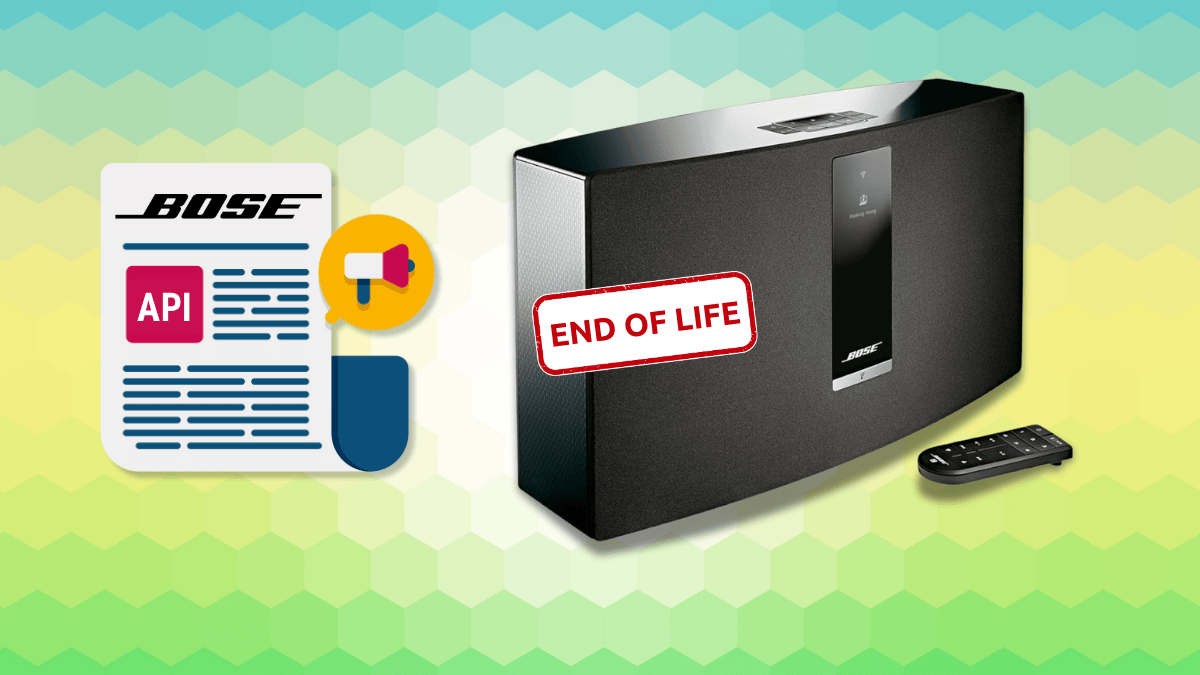
The “connected” features on many devices from the 2010s rely on aging APIs and server architectures. As these platforms update their security protocols, manufacturers often find the cost of maintaining backward compatibility for legacy hardware exceeds the revenue generated by active users.
Why is Sony ending support for these products?
Sony attributes the decision to the rising costs of maintaining servers and API connections for hardware with shrinking user bases. While the company has issued a formal apology for the inconvenience, it has provided no technical workaround for owners. This approach stands in contrast to Bose, which faced scrutiny in May 2026 after disabling cloud services for its SoundTouch range. Unlike Sony, Bose released an application update that allowed users to maintain local network functionality, AirPlay, and Spotify Connect access after the cloud shutdown, according to reports from the advocacy group Halte à l’obsolescence programmée.
How to keep using your legacy hardware
If you own an affected device, you can bypass the manufacturer’s software limitations to keep your system operational:
- External Streaming Sticks: Plug a Fire TV Stick, Roku, or Chromecast into an available HDMI port on your home theater system or receiver.
- Bluetooth Adapters: Use an inexpensive Bluetooth receiver connected to an auxiliary (AUX) input to stream audio from your smartphone.
- Network Playback: Check if your device supports DLNA or local network file streaming, which remains functional even if official app support is removed.
- Modern Media Boxes: Connect a modern streaming box to your display and route the audio through your legacy sound system via optical or HDMI ARC cables.
Before recycling an “obsolete” device, check the manufacturer’s latest firmware update. Sometimes, hardware that loses native app support still functions as a high-quality “dumb” amplifier or speaker if paired with a modern smart device.
What does this mean for the future of smart home devices?
The Sony deactivation highlights a growing tension between consumer ownership and software-dependent hardware. As European regulators examine digital obsolescence, this case serves as a precedent for the limited lifespan of “smart” features. While a device may remain physically sound for decades, its utility is increasingly tied to the manufacturer’s server uptime. Industry analysts suggest that consumers should prioritize hardware that supports open standards—such as AirPlay, Chromecast, or standard HDMI inputs—to insulate themselves against the risk of sudden software deprecation.
Frequently Asked Questions
- Will my device stop working entirely on November 17, 2026?
- No. Only the streaming and internet-connected features will be disabled. You can still use the device for physical media like Blu-rays, DVDs, or via HDMI and auxiliary inputs.
- Is Sony offering trade-in credits for affected users?
- As of now, Sony has not announced any trade-in or compensation programs for owners of the 71 impacted models.
- Can I install a third-party firmware to fix this?
- While some enthusiast communities explore custom firmware, these solutions are often unstable, void warranties, and may not resolve proprietary API issues required by streaming services.
Have you been affected by the loss of support for your home audio equipment? Share your workarounds in the comments below or subscribe to our newsletter for the latest updates on digital rights and hardware longevity.