
Sony’s New PC Strategy Ignores China: Why Losing the Largest Steam Market Is a Mistake
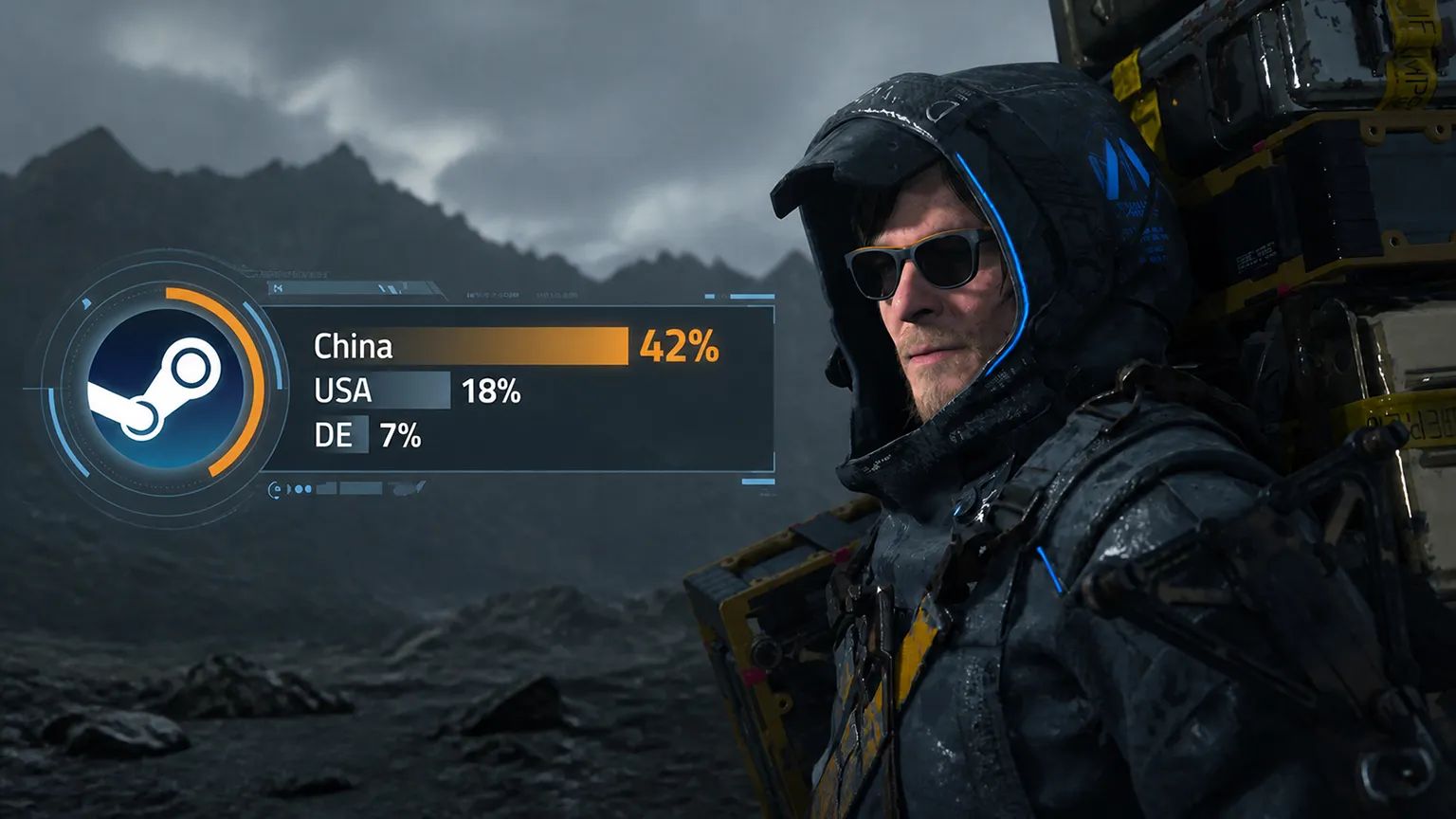
Sony’s recent pivot away from simultaneous PC releases for single-player titles risks alienating the Chinese market, which accounted for 42 percent of all Steam sales for Death Stranding 2. According to analysis from Alinea Insights, this region is now the largest individual market for the title on Steam, signaling that restrictive platform exclusivity may be ignoring a critical demographic for global gaming revenue.
Why is China the most important market for PC titles?
China represents the largest single-country user base on Steam, a factor that is fundamentally altering how developers approach distribution. Data from the Steam Hardware Survey shows that 21.85 percent of all Steam users have their interface set to Simplified Chinese, trailing only English at 39.48 percent. According to Alinea Insights, this demographic is not just a secondary audience but a primary driver of volume, evidenced by Death Stranding 2 achieving its highest Steam sales figures within the country.
How is Shift Up changing its publishing strategy?
The South Korean developer Shift Up has moved to bypass Sony’s restrictive publishing model for the upcoming Stellar Blade 2. During a recent earnings call, the studio confirmed it would handle publishing internally to ensure “maximal sales” and “broad global reach” from day one. This shift follows the financial success of the first Stellar Blade, which generated approximately 151 million USD in revenue. By taking control of the publishing process, Shift Up aims to avoid the limitations of platform-exclusive agreements that have historically hindered their ability to access PC players in China and beyond.
Does a PC release cannibalize PlayStation sales?
Evidence suggests that PC releases do not diminish PlayStation sales; rather, they appear to boost them. Alinea Insights reports that the PC launch of Death Stranding 2 coincided with the title’s highest two-week revenue period on the PlayStation platform. A similar trend was observed with Stellar Blade, where PS5 sales increased simultaneously with the PC release, even in the absence of promotional discounts. Industry observers, including the technology director at Bluepoint Games, have previously speculated that Sony’s internal strategy may be driven by a fear of competition from Valve’s Steam ecosystem, despite the company having generated roughly 260 million EUR in net revenue from PC ports according to former employees.
Pro Tips: Understanding Global Release Strategies
- Follow the Data: Developers are increasingly prioritizing markets where regional Steam adoption is highest, rather than relying on legacy hardware exclusivity.
- Monitor Multi-Platform Trends: Studios like Shift Up are proving that self-publishing can provide greater agility in reaching the global PC audience.
- Analyze Revenue Patterns: PC launches often act as marketing catalysts that drive “social proof,” which in turn boosts engagement across all platforms.
Frequently Asked Questions
- Why would Sony restrict PC releases?
- Industry speculation suggests Sony aims to drive hardware adoption for the PS5, potentially viewing the PC market as a competitor to their console ecosystem.
- Is the Chinese market essential for global game sales?
- Yes. With over 30 million estimated Steam users and Simplified Chinese being the second most-used language on the platform, it is a leading market for major titles.
- Do PC releases hurt console sales?
- Data from Alinea Insights indicates the opposite: PC releases for games like Death Stranding 2 and Stellar Blade have historically correlated with increased interest and sales on PlayStation.
What do you think about the shift toward PC-first or simultaneous releases? Share your thoughts in the comments below or subscribe to our newsletter for the latest industry analysis.
