
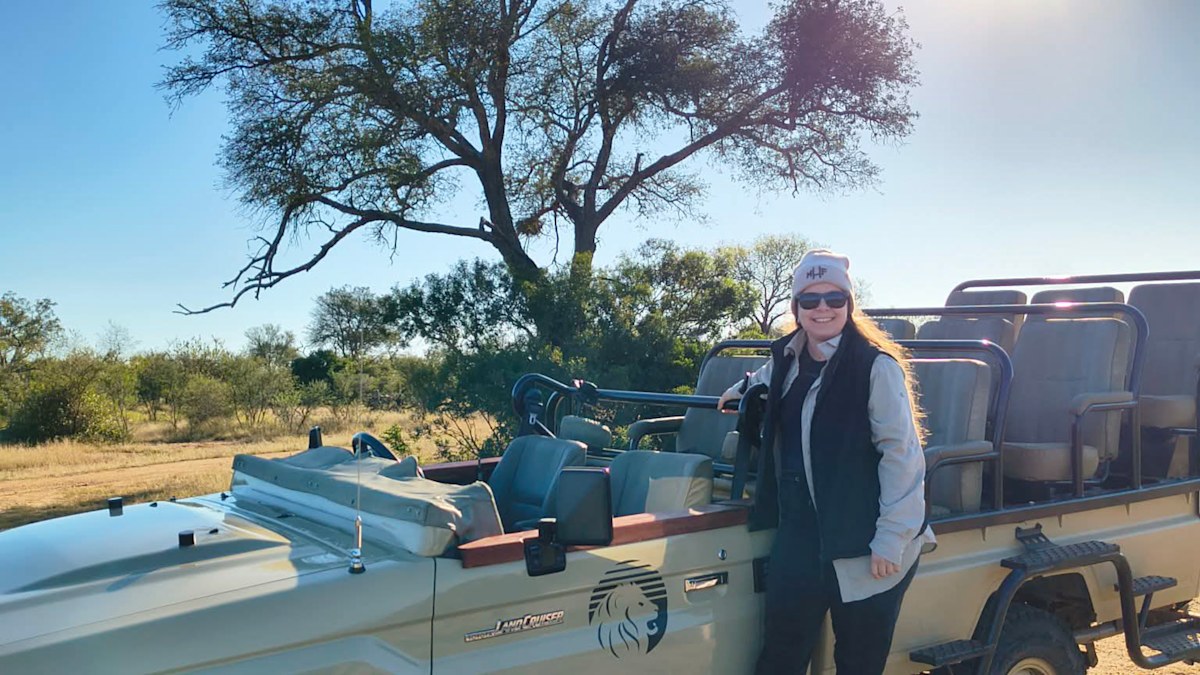
South Africa safari: What it was like visiting for the first time | Exclusive
South African tourism is shifting toward “responsible tourism” models that prioritize high-tech anti-poaching security over invasive practices like dehorning and authentic cultural immersion over staged experiences. According to guides at Kapama Private Game Reserve, this approach protects wildlife while supporting local economies where tourism sustains one in 11 jobs.
Why is high-tech security replacing rhino dehorning?
Conservation trends are moving away from dehorning rhinos to prevent poaching. While some operators still use the practice, Kapama Private Game Reserve relies on a 24/7 anti-poaching team, CCTV surveillance, and perimeter fencing. Phillip, an experienced guide at Kapama, states that dehorning causes animal stress and fails to deter all poachers, who may still kill the animal to take the remaining stump.
The results of this security-first approach are concrete. Kapama reports that not a single rhino has lost a horn to poaching on the property since 2012. This shift reflects a broader industry move toward protecting animals in their natural state rather than altering their physical appearance for safety.
How is “living culture” changing South African tourism?
Travelers are increasingly rejecting “Disneyland versions” of cultural visits in favor of living villages. Isithumba, a Zulu village near Durban, serves as a primary example of this trend. Unlike staged tourist attractions, Isithumba operates as a functional community where visitors engage with actual customs and traditional healers, known as Sangomas.

This model provides direct economic relief to the region. Guide Thabo notes that while official unemployment in South Africa sits at 35%, the actual figure is likely closer to 44%. By directing tour fees and handmade craft purchases directly to residents, living villages turn tourism into a tool for poverty alleviation.
What are the new standards for luxury safari lodging?
The luxury sector is prioritizing seamless logistics and “organic” architecture. Modern developments, such as the Tamboti Superior Suites at Kapama River Lodge (completed December 2025), emphasize natural light, warm stone, and floor-to-ceiling windows to blur the line between the room and the wild grasslands.
Accessibility is also being streamlined. The proximity of Kapama to the Hoedspruit-Eastgate Airport allows guests to move from a flight to a game reserve in minutes via open-vehicle transfers. This “frictionless” travel is becoming a benchmark for high-end operators, as seen with the December 2025 opening of the Intercontinental Table Bay in Cape Town, which integrates luxury views of Table Mountain with high-efficiency service.
Which animals pose the greatest risk on safari?
While lions often receive the most attention, professional guides identify the Cape buffalo as the most dangerous of the “Big Five.” According to Phillip, buffaloes are more unpredictable than lions because they often charge without warning and do not stop once they have started.
Safety protocols have evolved to mitigate these risks. Current standards at reserves like Kapama include a strict “no standing” rule in vehicles. This ensures passengers do not break the vehicle’s silhouette, which animals perceive as a single, non-threatening object. Guests are also advised against wearing bright colors to avoid startling the wildlife.
Comparison of Conservation Strategies
| Strategy | Method | Kapama’s Stance (per Guide Phillip) |
|---|---|---|
| Dehorning | Physical removal of horn | Avoided; causes stress and is incomplete protection. |
| Active Security | CCTV, Fencing, Armed Teams | Preferred; no successful poaching since 2012. |
Frequently Asked Questions
What are the “Big Five” animals?
The Big Five consist of lions, leopards, elephants, buffalo, and rhinos.

Is it safe to visit a Zulu village?
Yes, visiting living villages like Isithumba with local guides is a safe and recommended way to support the local economy and learn authentic traditions.
How do I get to the Greater Kruger region?
Daily flights from Johannesburg and Cape Town land at Hoedspruit-Eastgate Airport, providing direct access to reserves like Kapama.
Why are winter safaris better?
Less vegetation makes animals easier to spot, and there are fewer insects compared to the summer months.
For more insights on sustainable travel, check out our guide to ethical wildlife encounters or visit the official South Africa Tourism portal.