

South Asia Brief: Pakistan’s Global Ambitions and Regional Diplomacy
Pakistan is leveraging its recent mediation of a U.S.-Iran peace deal to expand its global diplomatic footprint, while Bangladesh shifts its foreign policy toward China under Prime Minister Tarique Rahman. According to Foreign Policy, these shifts reflect a broader realignment of power and security priorities across South Asia.
Can Pakistan turn diplomatic mediation into long-term power?
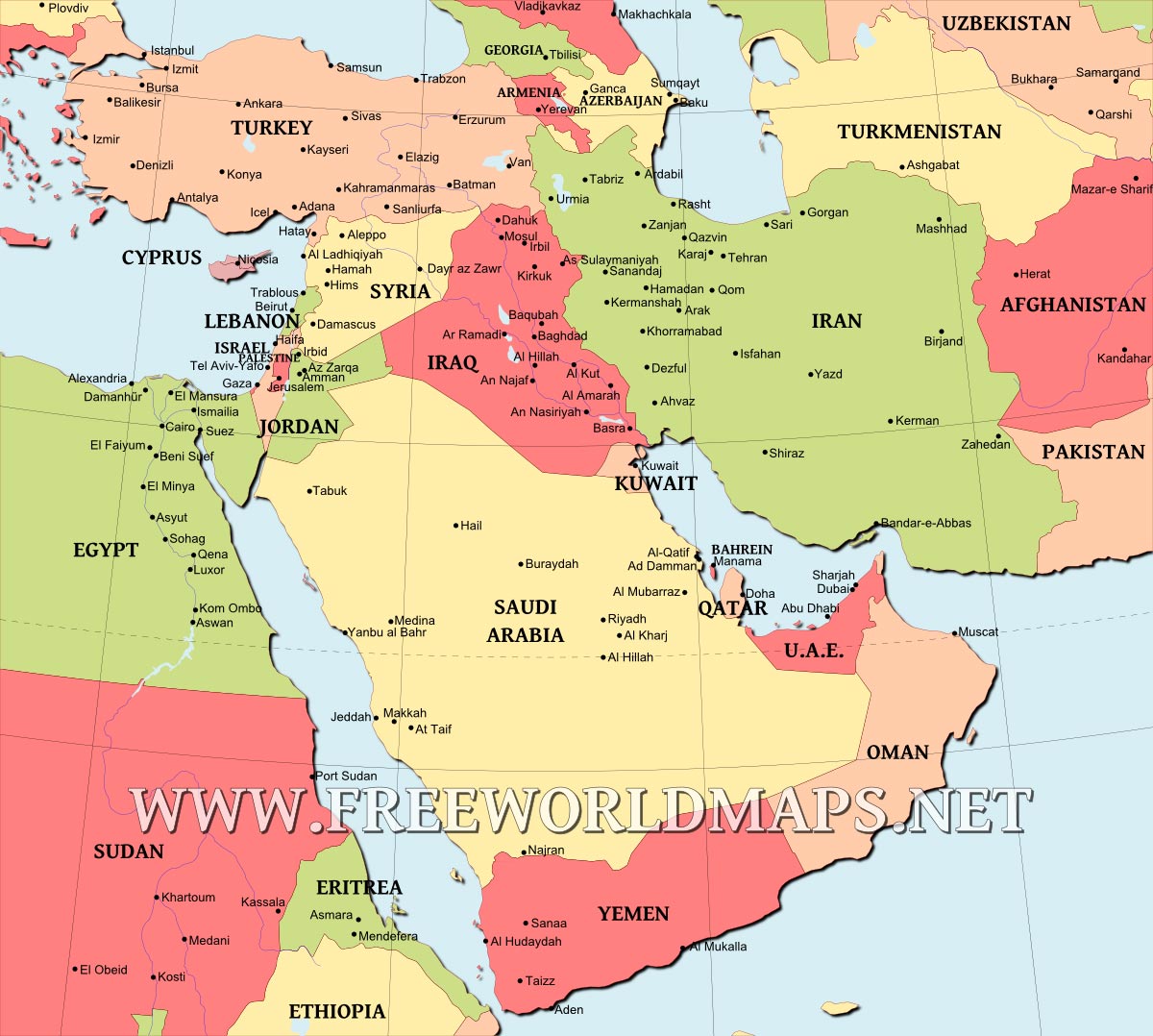
Pakistan recently helped secure a framework peace deal between the United States and Iran. Prime Minister Shehbaz Sharif used the announcement to signal that Islamabad is a positive, influential player on the global stage, Foreign Policy reports.
Despite this win, Pakistan faces structural hurdles. It lacks a critical global export like microchips or oil. Its economy still relies heavily on textiles and agricultural goods, while the rest of the world prioritizes semiconductors and clean energy infrastructure.
The country also faces political risks. Foreign Policy notes that U.S. President Donald Trump’s support for Pakistan’s mediator role may be fickle. If Middle East conflicts subside or commercial deals regarding critical minerals fail, U.S. interest could vanish.
To sustain this influence, Islamabad must address internal terrorism and political repression. Foreign Policy suggests that while global acclaim might shield the government from some criticism, domestic instability limits its diplomatic bandwidth.
Why is Bangladesh pivoting toward China and away from India?
Prime Minister Tarique Rahman chose China for his first official trip abroad after taking office in February. He skipped India entirely, visiting Beijing and attending a World Economic Forum event in Dalian, according to Foreign Policy.
This move signals a sharp break from the era of former Prime Minister Sheikh Hasina. While some Bangladesh Nationalist Party leaders want a rapprochement with India, public sentiment in Bangladesh remains strongly anti-India. Rahman’s decision to visit Beijing first avoids the political risks of an early outreach to New Delhi.
Beijing and Dhaka have already expanded their security and economic cooperation. By prioritizing China, Rahman strengthens a partnership that provides an alternative to Indian influence in the region.
What does Amit Shah’s meeting with the U.S. ambassador signal?
Indian Home Minister Amit Shah recently hosted U.S. Ambassador Sergio Gor in New Delhi. This meeting is unusual because Shah rarely engages in diplomacy; Foreign Policy reports he has not traveled abroad in 20 years.

The discussion focused on bilateral cooperation regarding counternarcotics and counterterrorism. Because Shah is frequently cited as a potential successor to Prime Minister Narendra Modi, this engagement may be an attempt to reshape his image from a parochial enforcer to a diplomat comfortable with foreign dignitaries.
How severe is the measles outbreak in Bangladesh?
Bangladesh is grappling with a public health crisis characterized by a surge in measles cases. The Directorate General of Health Services reported 1,009 new suspected cases in a single 24-hour period, bringing the total to 94,764, according to Foreign Policy.
The human cost is high. Since April 10, nearly 80,000 people have been hospitalized and 593 have died. Experts attribute the spike to vaccination delays that followed the ouster of Sheikh Hasina.
This crisis exists alongside other health threats, including dengue fever. A Daily Star editorial criticized the government for expanding hospital beds without hiring the necessary doctors and nurses to staff them.
Are the Taliban conducting airstrikes inside Pakistan?
The Taliban regime recently claimed it carried out airstrikes in Pakistan targeting Islamic State-Khorasan (IS-K) facilities. The Taliban alleged these facilities were working with “hostile intelligence circles,” a likely reference to Pakistani intelligence, Foreign Policy reports.
Pakistan’s ministry of information rejected these claims on X, stating that all IS-K facilities are located within Afghanistan. There is significant doubt regarding the Taliban’s claims because the regime lacks a proper air force; most equipment seized in 2021 was for ground operations.
If these strikes actually occurred, they would mark a dangerous new phase of tensions. However, the silence from both sides following the initial claims suggests the reports may be exaggerated.
Quick Comparison: Regional Security Pressures
| Country | Primary Security Threat | Current Diplomatic Focus |
|---|---|---|
| Pakistan | TTP Drone Use / IS-K | U.S.-Iran Mediation |
| Bangladesh | Public Health (Measles) | China Partnership |
| India | Counter-terrorism | U.S. Bilateral Ties |
Frequently Asked Questions
Why did the Bangladesh PM visit China instead of India?
According to Foreign Policy, Prime Minister Tarique Rahman avoided India due to strong anti-India sentiment among the Bangladeshi public, which would have posed political risks for his new government.
What is the current status of the measles outbreak in Bangladesh?
The outbreak has resulted in 94,764 suspected cases and 593 deaths, with experts blaming vaccination delays after the government change in 2024.
Is Pakistan’s role in the Iran deal permanent?
Foreign Policy suggests it is fragile. Its continued influence depends on the stability of Middle East conflicts and the unpredictable nature of U.S. President Donald Trump’s foreign policy.
How is India managing its relationship with the U.S.?
India is focusing on counter-terrorism and counternarcotics, as evidenced by the rare meeting between Home Minister Amit Shah and U.S. Ambassador Sergio Gor.
Want to stay updated on the shifting power dynamics in South Asia? Let us know your thoughts on Pakistan’s diplomatic strategy in the comments below or subscribe to our newsletter for deep-dive analysis.