
South Korea Overhauls Health Insurance Fees to Boost Essential Healthcare
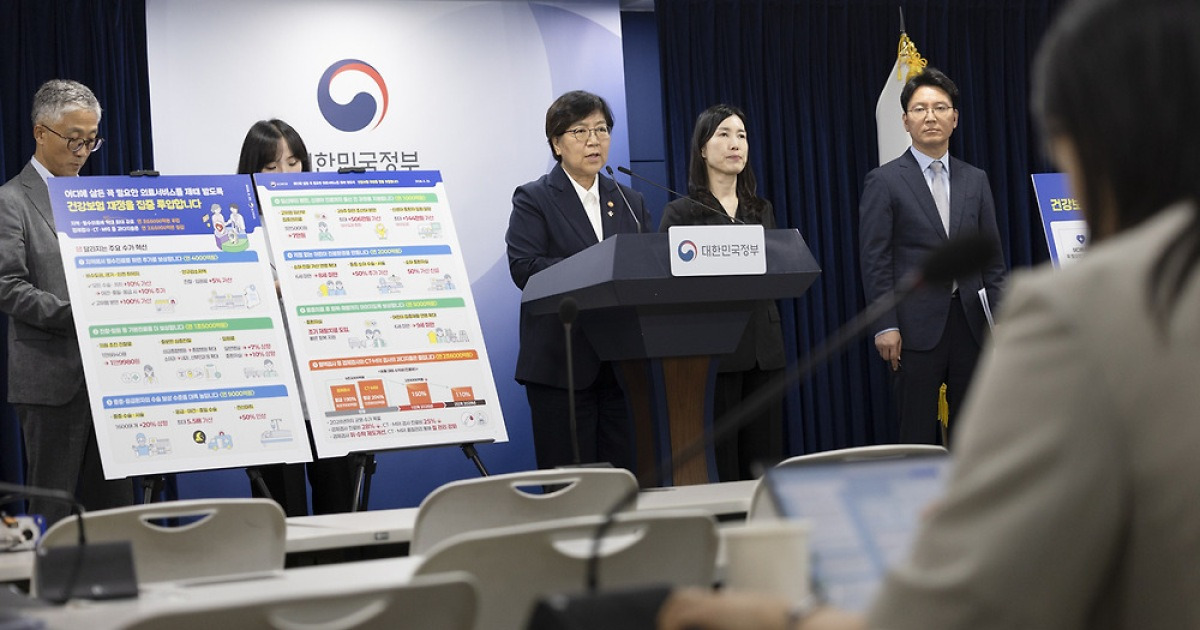
The South Korean government is overhauling its health insurance fee structure to redirect funding from high-volume diagnostic tests toward regional and essential medical services, according to the Ministry of Health and Welfare. The plan will invest 3.6 trillion won annually into essential care by reducing over-compensated fees for CT scans, MRIs, and blood tests to save 2.6 trillion won, with the remaining 1 trillion won sourced from health insurance funds.
Why is the government changing the health insurance fee structure?
The Ministry of Health and Welfare determined that the current fee-for-service system rewards the frequency of tests over the quality of basic care. An analysis of approximately 6,000 medical insurance items by the Medical Cost Analysis Committee revealed that blood tests had a profit-to-cost ratio of 190%, while CT and MRI scans reached 194%.
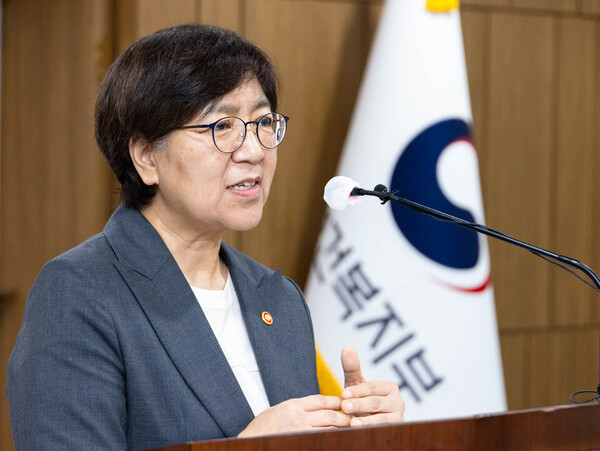
Conversely, basic services such as consultations, hospitalization, and anesthesia were found to be undervalued. Minister Jung Eun-kyung stated that this innovation serves as a catalyst to restore regional medical functions and strengthen essential services in emergency, childbirth, and pediatric care.
How will regional and essential medical services be boosted?
The government is introducing “regional preference fees” for non-metropolitan areas and six vulnerable zones in the capital region, including Uijeongbu, Namyangju, Icheon, Pocheon, and the northwest and central parts of Incheon. General hospitals in these areas will receive a 10% increase for roughly 2,700 surgery and treatment acts, with an additional 10% for emergency procedures during nights and holidays.

Medical institutions in 84 population-declining cities and counties will see consultation fees rise by 5%, while hospitals in these areas will see a 5% increase in hospitalization fees. These regional measures alone will require 400 billion won annually. Additional compensation will also be applied to high-risk deliveries at maternal centers and neonatal ICU hospitalization.
Basic care compensation is also increasing. For the first time in 20 years, relative value points for local clinics are being adjusted, raising first-visit consultation fees by 6% and return-visit fees by 4%. Hospital-level consultation fees will rise by 2%, while general ward and ICU hospitalization fees will increase by 7% and 10%, respectively.
Which medical tests will see a reduction in compensation?
Fees for over-compensated diagnostic fields will be lowered incrementally. The government plans to adjust the profit-to-cost ratio for blood tests from 190% down to 150%, which is expected to save 1.7 trillion won per year.
Similarly, the profit ratio for CT and MRI scans will be reduced from 194% to 150%, saving an estimated 700 billion won annually. These reductions are designed to dismantle the structure where profit increases simply by increasing the number of tests performed.
What happens next for patients and insurance premiums?
The Ministry of Health and Welfare stated that patients will not see an increase in out-of-pocket costs. Minister Jung Eun-kyung explained that because the fees for tests are decreasing, patient burdens for those specific services may actually decline.

However, health insurance premiums may rise. Kwon Byung-ki, Director of the Health Insurance Policy Bureau, noted that since the 2.6 trillion won in savings does not cover the 3.6 trillion won investment, the 1 trillion won gap must be filled by the insurance fund. Kwon stated that a slight increase in the insurance premium rate is likely necessary.
To ensure the system remains current, the government will shorten the fee revision cycle from the previous 5-7 years to every two years. This may allow for more frequent adjustments to prioritize essential healthcare needs.
Frequently Asked Questions
Will my medical bills increase because of these changes?
According to the Ministry of Health and Welfare and Minister Jung Eun-kyung, patient out-of-pocket costs will not increase; in fact, burdens for certain tests may decrease as their fees are lowered.
Which areas will benefit from the new regional preference fees?
The fees apply to non-metropolitan areas and six specific vulnerable zones in the capital region: Uijeongbu, Namyangju, Icheon, Pocheon, and the northwest and central districts of Incheon.
Why are CT and MRI fees being reduced?
The government found these tests were over-compensated, with profit-to-cost ratios as high as 194%, creating a system that rewarded the volume of tests over basic essential care.
Do you think shifting funds from diagnostic tests to regional clinics will improve healthcare access in your area?