
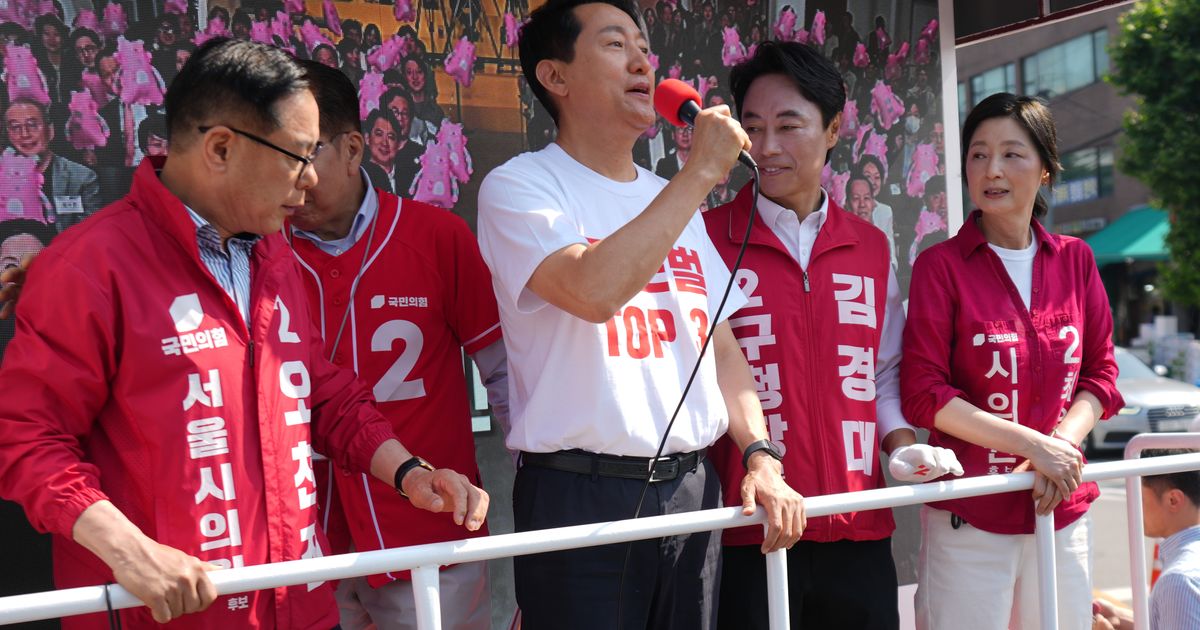
South Korea’s Democratic Party Projected to Win Landslide Victory in Local Elections
The New Era of Korean Governance: What a Liberal Landslide Means for the Future
South Korea is currently witnessing a seismic shift in its political landscape. The projected landslide victory for the ruling liberal party isn’t just a win for a specific set of candidates; it is a signal that the electorate is craving stability and predictability after a period of unprecedented volatility.
When a government secures a firm political mandate, the “friction cost” of passing legislation drops. For President Lee Jae Myung, this means the ability to move from reactive governance to proactive structural reform. We are likely to see a streamlined approach to domestic policy, where the gap between executive vision and legislative execution narrows significantly.
Beyond Ideology: The Rise of “Pragmatic Diplomacy”
One of the most critical trends emerging is the shift toward what is being termed “pragmatic diplomacy.” In the past, South Korean foreign policy often swung wildly between pro-U.S./Japan stances and more conciliatory approaches toward North Korea and China.
The current trend suggests a “middle path.” By maintaining high approval ratings while easing tensions with regional neighbours, the current administration is proving that a liberal government can be security-conscious without being confrontational. This balance is essential for a nation that relies heavily on global trade and semiconductor exports.
For more on how this affects global trade, see our analysis on East Asian Economic Shifts. You can also track official diplomatic statements via the Ministry of Foreign Affairs.
The Crisis of the Right: Can South Korean Conservatism Be Reborn?
The People Power Party (PPP) is facing an existential crisis. The fallout from the removal of a former president and subsequent legal battles has left the conservative base fractured. However, in politics, a total collapse often precedes a radical rebranding.
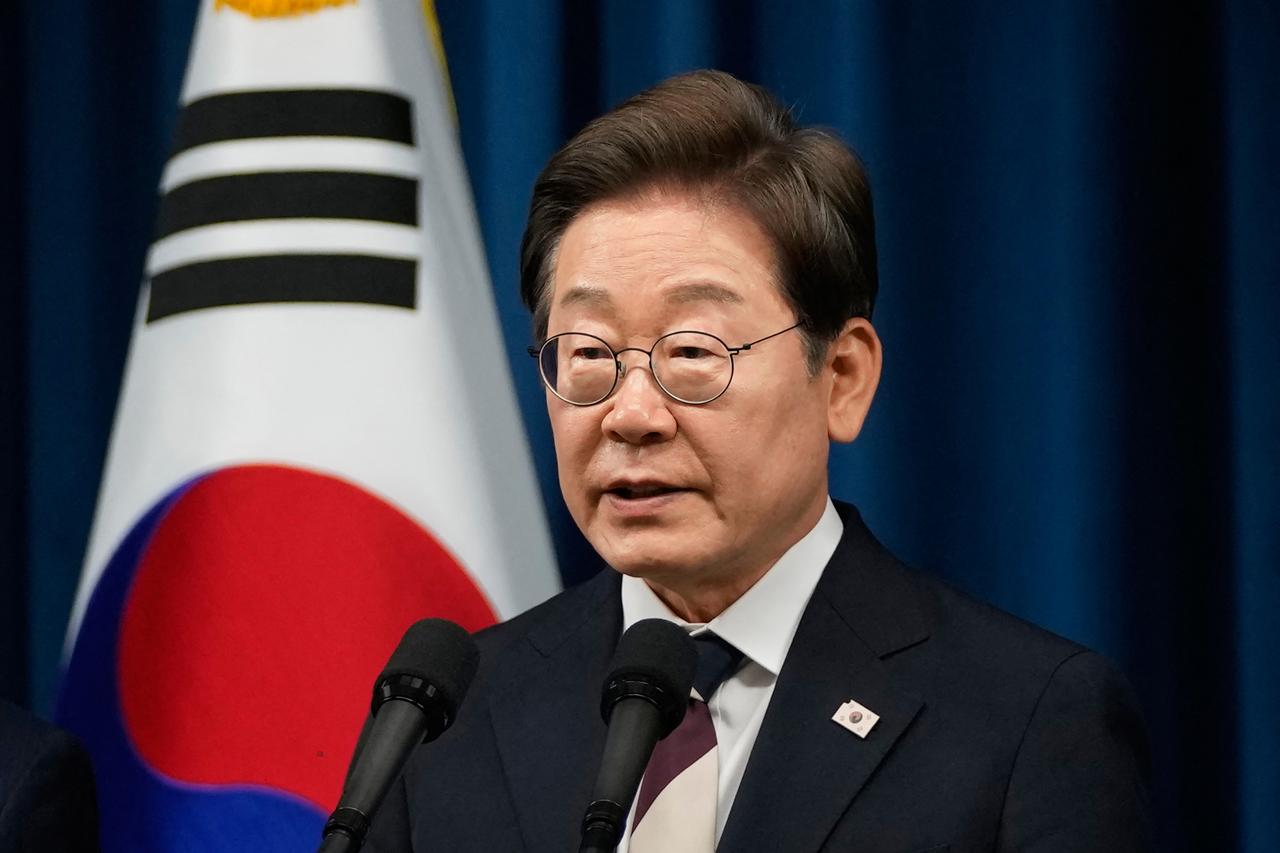
The emergence of reformist factions—exemplified by figures like Han Dong-hoon—suggests a potential split in the conservative identity. We are seeing a battle between “loyalists” and “modernizers.” If the reformists can successfully distance themselves from the failures of the past, they may attract a younger, more urban demographic that previously viewed the PPP as outdated.
This internal struggle mirrors trends seen in other OECD democracies, where traditional right-wing parties must choose between populist rhetoric and technocratic governance to survive.
The AI Influence in Modern Policy
Interestingly, the integration of technology into political campaigning and policy-making is accelerating. The appointment of AI experts to high-level advisory roles indicates that the next frontier of Korean governance isn’t just about social welfare, but about “algorithmic governance.”
From optimizing urban traffic in Seoul to leveraging big data for social services, the trend is clear: the party that best integrates AI into the machinery of state will hold a significant competitive advantage in future elections.
Predicting the Long-Term Political Cycle
While the current momentum favors the liberals, history suggests that South Korean politics operates on a pendulum. The key question is whether the current administration can maintain its 60% approval rating by delivering tangible economic gains.
The focus will likely shift toward housing affordability and demographic collapse (the lowest birth rate in the world). If the ruling party can solve these “evergreen” crises, they may break the traditional pendulum cycle and establish a long-term hegemony.
Frequently Asked Questions
Seoul is the political and economic heart of the country. Controlling the capital allows a party to implement regional policies that serve as a blueprint for the rest of the nation.
It refers to a foreign policy that prioritizes national interest and economic stability over rigid ideological alignments, balancing relations between the U.S., China, and Japan.
While local elections don’t change national laws, having allied mayors and governors reduces administrative friction, making it easier for the President to implement national initiatives at the regional level.
Join the Conversation
Do you think a dominant single-party mandate strengthens democracy or weakens the necessary checks and balances? Let us know your thoughts in the comments below or subscribe to our newsletter for deep dives into Asian geopolitics.