

South Korea’s Semiconductor Boom Drives 15 Trillion Won Excess Tax Revenue for Future Growth and National Funds
South Korea’s semiconductor industry boom is projected to generate at least 15 trillion won in excess tax revenue this year, prompting government discussions on alternative uses beyond traditional debt repayment or emergency budget allocations, according to a report. The Ministry of Planning and Budgeting is evaluating options to redirect surplus funds, including proposals for a “future response fund” and potential integration with the upcoming Korean sovereign fund.
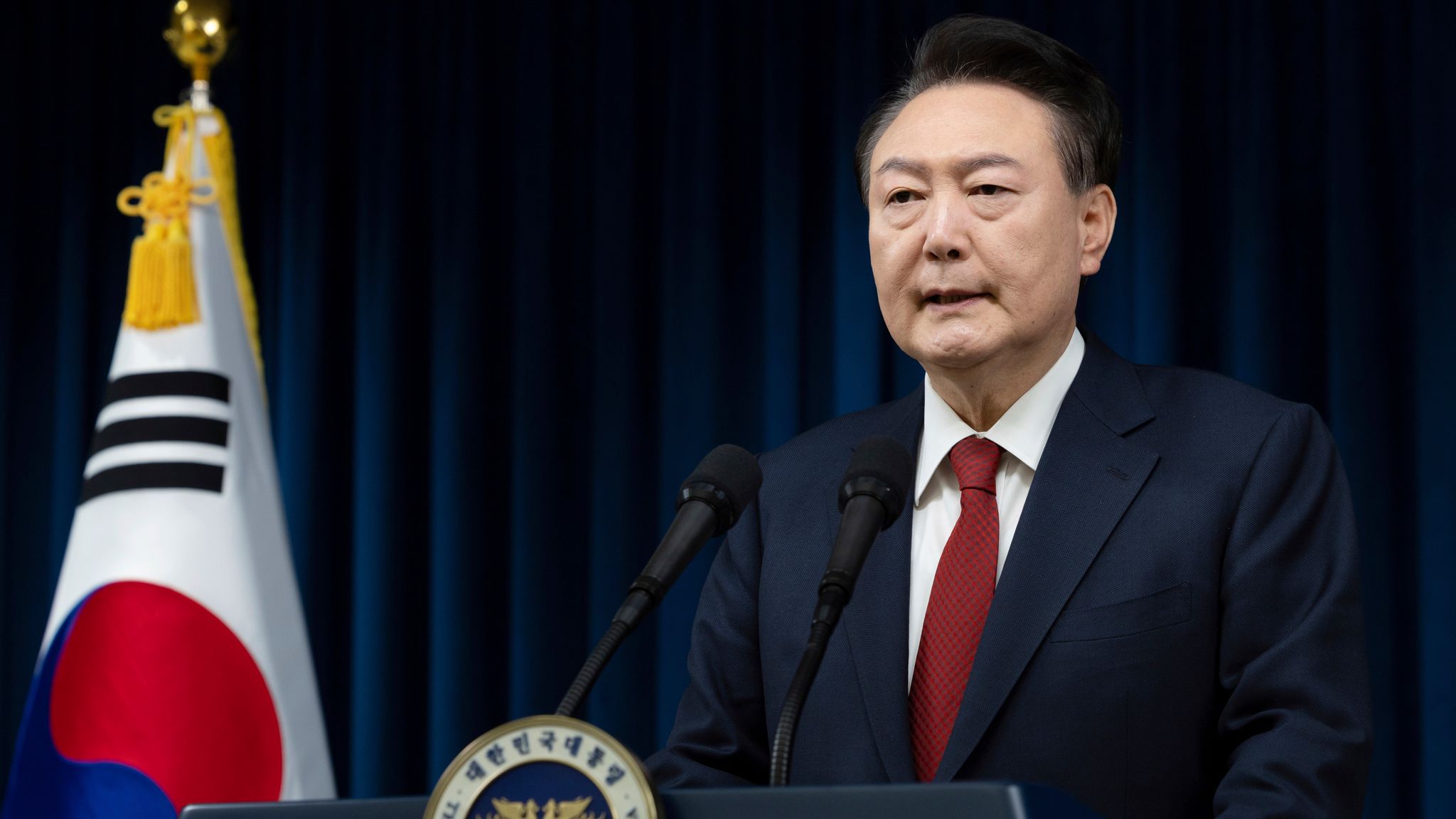
The government’s approach reflects a shift from conventional fiscal practices, where excess revenue typically flows into local government transfers, debt repayment, or emergency budgets. Instead, officials are considering a dedicated fund to support long-term growth sectors, as outlined in discussions following President Yoon Suk Yeol’s remarks on prioritizing investments in future generations and economic potential.
What is driving the fiscal recalibration?
The 15 trillion won projection stems from record semiconductor industry performance, which has bolstered tax collections. Under current rules, surplus funds are allocated through a fixed hierarchy: first to local government transfers, then to debt repayment, and finally to emergency budgets. However, this rigid framework has sparked debates about more flexible mechanisms to address strategic priorities.
A government official explained that the proposed future response fund would allow “targeted investments in emerging industries or urgent needs” without requiring emergency budget approvals. This approach contrasts with traditional emergency budgets, which face strict eligibility criteria under national financial laws.
How does the sovereign fund factor into the plan?
The Korean sovereign fund, modeled after Singapore’s Temasek, is slated to launch in the second half of 2024. Initially envisioned as a 20 trillion won vehicle backed by public assets, discussions now include incorporating excess tax revenue as additional capital. Deputy Prime Minister and Finance Minister Koo Yun-cheol noted the fund could create a “circular economy” by reinvesting returns.
However, the fund’s focus on international market investments and risk management differs from the proposed future response fund, which would prioritize domestic tech and growth sectors. This distinction has raised questions about coordination with existing entities like the Korea Investment Corporation (KIC) and the National Growth Fund.
What are the next steps?
The Ministry of Planning and Budgeting is in early-stage discussions about allocating surplus funds, with no final decisions made. Officials indicated a preference for broad consultation before determining whether to direct resources to a single fund, both funds, or alternative uses. A framework for the future response fund could be finalized by late August, coinciding with the budget submission deadline.
Meanwhile, the sovereign fund’s second-half strategy is expected to reveal more details by month’s end. Both initiatives remain subject to legislative changes, as creating new financial mechanisms would require amendments to existing laws.
Frequently Asked Questions
What is the projected amount of excess tax revenue? At least 15 trillion won, according to government assessments.
What are the key alternatives for using surplus funds? Debt repayment, emergency budgets, a future response fund, and potential integration with the Korean sovereign fund.
What challenges remain in implementing new fiscal mechanisms? Legislative changes, coordination with existing financial institutions, and defining clear investment priorities.
How might these fiscal strategies impact South Korea’s economic trajectory in the next decade?