
South Korea’s Strategic Balancing Act Between US and China
South Korea is moving toward “independent operational capabilities” because President Lee Jae-myung determined the old model of pairing US security with Chinese trade is obsolete. This shift comes as Seoul balances its largest export market in China against a critical security alliance with the US.
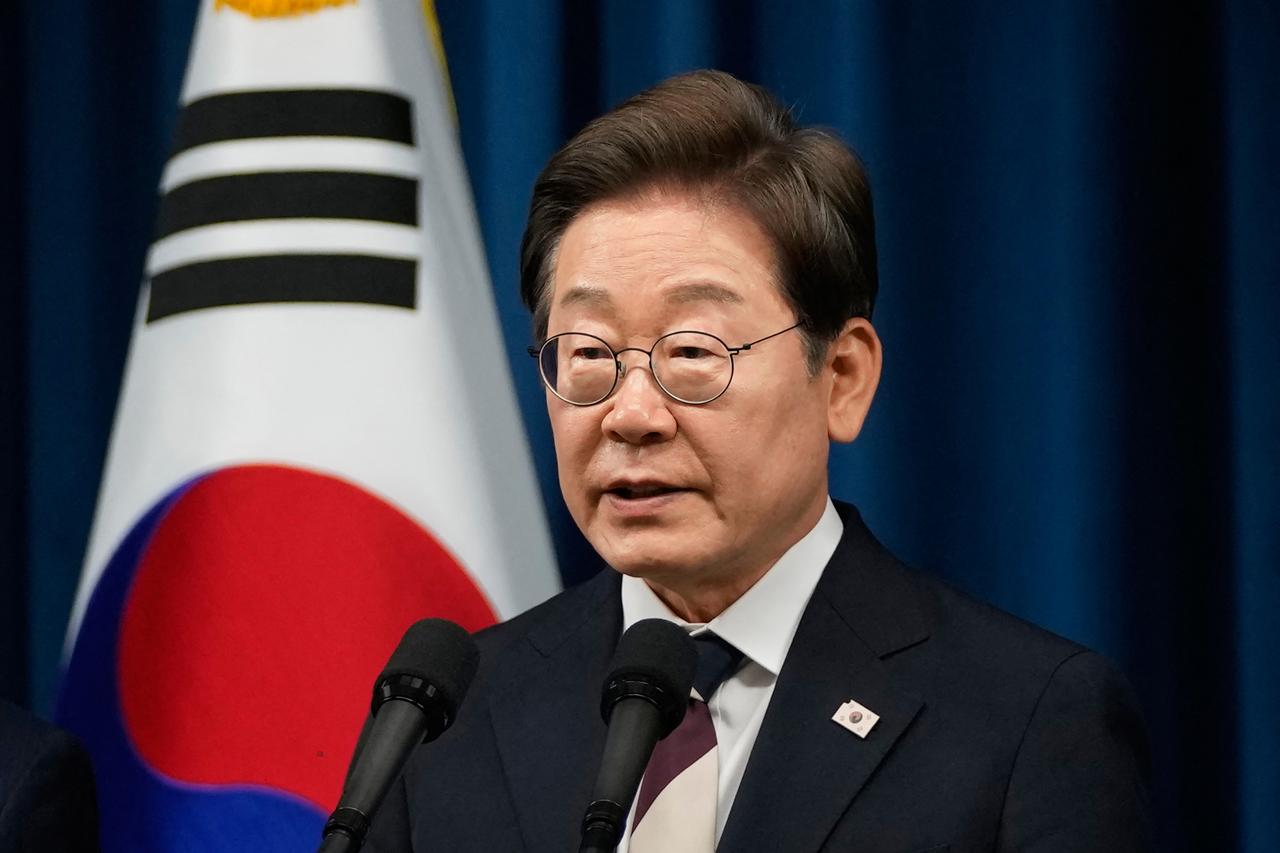
Comments from the US commander have placed the administration of President Lee Jae-myung in a precarious diplomatic position. According to government reports, the current administration has remained cautious about aligning fully with the US in its efforts to counter a rising China.
Why is the US-China rivalry stressing Seoul?
South Korea’s economy relies heavily on exports, and China remains its largest export destination. This creates a fundamental tension: Seoul needs the US for military protection but depends on Beijing for economic growth.
President Lee stated in a June 11 interview that the traditional strategy of “security with the US, economy with China” is no longer valid. He’s acknowledged that the geopolitical environment has shifted, making it harder to keep these two spheres separate.
What role does China play in North Korean security?
While the US alliance provides the primary security backstop, Seoul requires a functional relationship with Beijing to manage the North Korean threat. According to strategic analyses, China is one of the few global powers that Pyongyang actually listens to.
The stakes involve two critical risks:
- Nuclear Proliferation: Limiting North Korea’s nuclear program requires Chinese cooperation to be effective.
- State Collapse: If the North Korean government collapses, China would likely hold a veto role over how the territory is integrated into South Korea.
How is South Korea changing its military strategy?
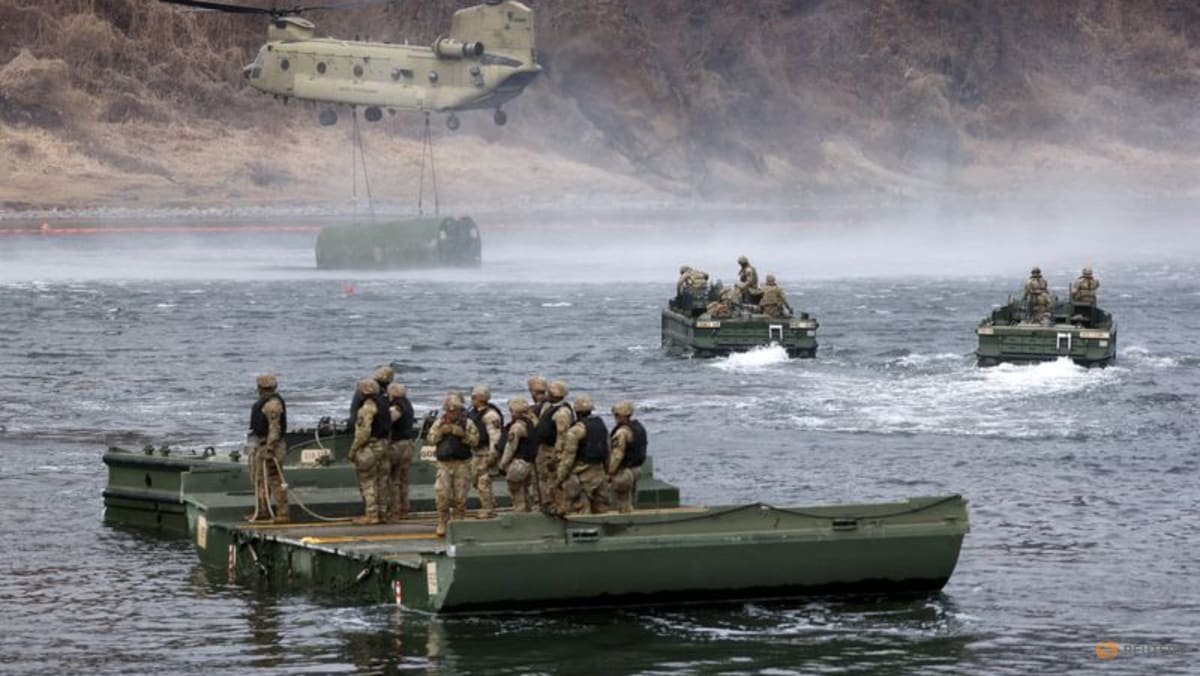
To reduce its vulnerability, South Korea is increasing defense investments. The Lee administration is pushing for more wartime operational control authority to ensure the country can respond to threats without total reliance on Washington.
However, the transition isn’t simple. The administration faces a paradox: it’s difficult for Seoul to rely on a US defense commitment against North Korea while attempting to remain neutral regarding China’s challenge to US global power.
Comparison: Traditional vs. Current Strategy
| Feature | Traditional Model | Lee Administration Model |
|---|---|---|
| US Relationship | Security dependency | Strategic alliance + independence |
| China Relationship | Purely economic/trade | Pragmatic, case-by-case balance |
| Military Control | US-led command | Push for operational control |
Frequently Asked Questions
What is the “security with US, economy with China” model?
It’s a long-standing South Korean foreign policy where the US provided military protection while China served as the primary engine for economic growth through trade.
Why is China’s role in North Korea important?
China has significant diplomatic and economic leverage over Pyongyang, making it essential for any efforts to denuclearize the peninsula or manage a potential regime collapse.
What are “independent operational capabilities”?
This refers to South Korea’s goal of managing its own military operations during wartime, reducing its dependence on the US command structure.
What do you think? Can South Korea actually maintain a neutral stance on China while relying on the US for security? Share your thoughts in the comments below or subscribe to our newsletter for more geopolitical analysis.