
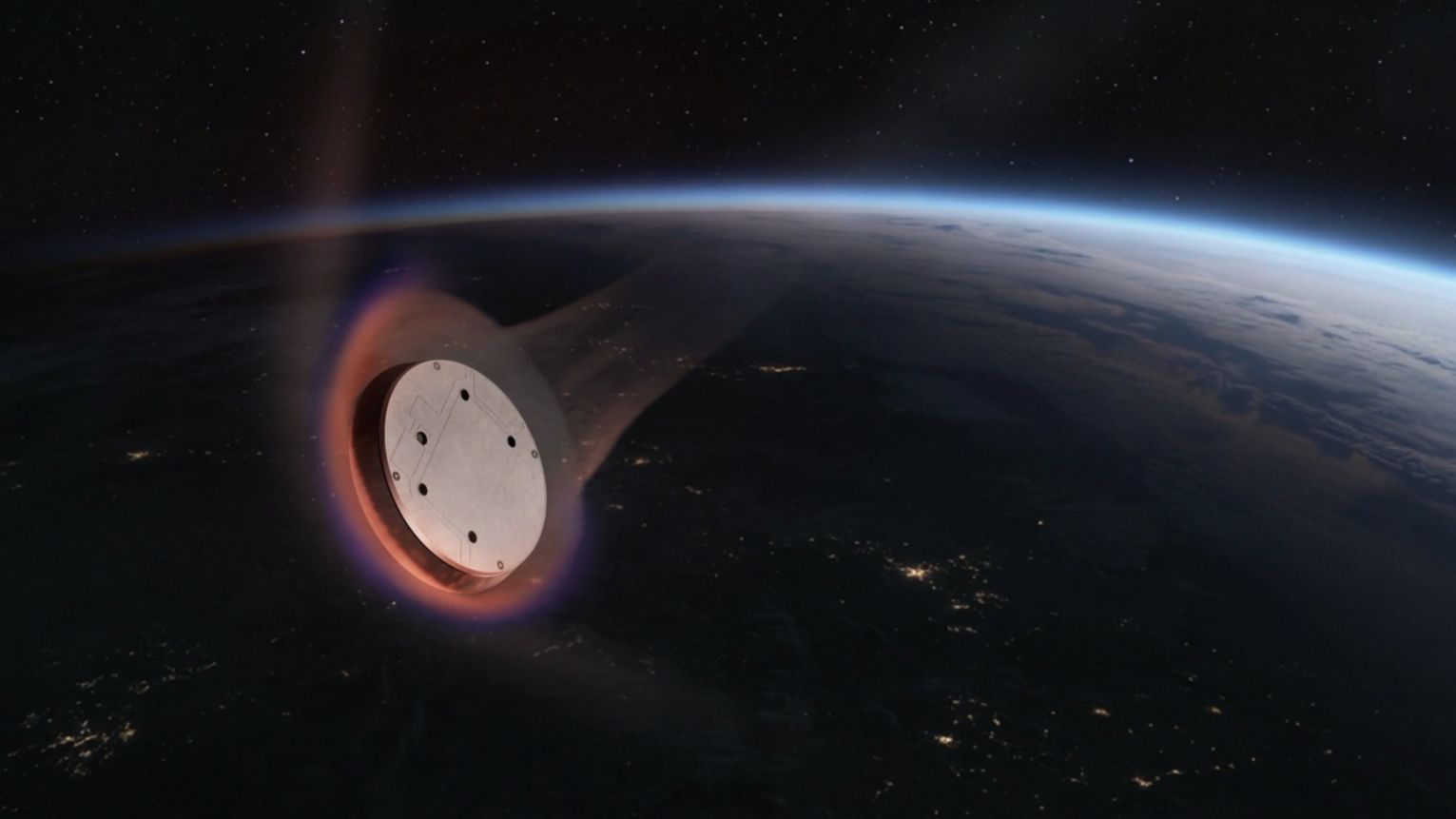
SpaceX launches its 1st ‘Starfall’ reentry capsule in early morning Falcon 9 liftoff
SpaceX launched its Starfall cargo capsule on June 23 from Cape Canaveral, marking the debut of a vehicle designed to return payloads from low Earth orbit (LEO). According to FAA filings, the capsule supports orbital manufacturing and research, carrying up to 2,200 pounds of material for recovery in the Pacific Ocean.
How does Starfall change orbital manufacturing?
The Starfall capsule enables the retrieval of materials that require the vacuum and microgravity of space to develop. SpaceX designed the platform specifically for payloads like pharmaceuticals and orbital manufacturing products, according to the company’s application with the U.S. Federal Aviation Administration (FAA).
Previously, most LEO research occurred on the International Space Station (ISS), requiring human crews to manage samples. Starfall removes the human element. This allows companies to automate the production of crystals or proteins in orbit and return them to Earth for analysis without needing a dedicated crewed mission.
What is the difference between Starfall and existing cargo capsules?
Unlike the Dragon capsule, Starfall is not designed for human passengers. Its primary purpose is the safe return of inanimate cargo. While Dragon handles diverse logistics for the ISS, Starfall focuses on the “return” leg of the journey for smaller, high-value industrial payloads.

The scale of the vehicle also marks a shift in capacity. A comparison of current retrieval tech shows a significant jump in payload potential:
| Vehicle | Width | Payload Capacity |
|---|---|---|
| Varda W-series | 3 feet (0.9m) | ~650 lbs (300kg) |
| SpaceX Starfall | 10 feet (3.1m) | 2,200 lbs (1,000kg) |
According to SpaceX, this increased capacity allows for larger batches of manufactured goods, potentially lowering the cost per unit for space-based pharmaceuticals.
How does the capsule return to Earth safely?
Starfall utilizes a two-section design to manage the heat and pressure of reentry. The top plate houses payload storage and attitude control, while a carbon fiber heat shield protects the craft from atmospheric friction, according to the FAA filing.
The vehicle does not have its own propulsion system and cannot deorbit itself. For the June 23 demo mission, SpaceX likely used the Falcon 9’s second stage to push the capsule back toward Earth. To maintain stability during descent, the capsule uses compressed nitrogen gas for attitude control and parachute deployment.
SpaceX designed the craft for “safe expendability.” The company stated in the FAA document that all pressurized systems are vented before splashdown, ensuring no hazardous propellants are released into the ocean.
Where will these capsules land?
SpaceX is targeting a specific splashdown zone in the Pacific Ocean, approximately 700 nautical miles (1,300 km) off the U.S. West Coast, according to FAA records. This distance provides a safety buffer for the descent of uncrewed cargo.
This landing strategy mirrors the recovery process for the Falcon 9 boosters. In the debut Starfall mission, the booster returned to the Atlantic Ocean, landing on the droneship “A Shortfall of Gravitas” roughly nine minutes after liftoff.
Frequently Asked Questions
Can Starfall carry people?
No. SpaceX designed Starfall specifically as a cargo transportation vehicle for research and orbital manufacturing payloads.
How does Starfall differ from the Dragon capsule?
Starfall is smaller than Dragon, lacks life-support systems for humans, and is optimized for the retrieval of inanimate materials from LEO.
.jpg/340px-Launch_of_Falcon_9_carrying_ORBCOMM_OG2-M1_(16601442698).jpg "How does Starfall differ from the Dragon capsule?")
Does Starfall have its own engines?
No. According to FAA documents, the capsule lacks a propulsion system for deorbiting and relies on the launch vehicle’s second stage for its return trajectory.
What materials are typically returned via these capsules?
The platform is geared toward pharmaceuticals and other products created through orbital manufacturing that require retrieval for terrestrial use.
What do you think about the shift toward automated space factories? Let us know in the comments or subscribe to our newsletter for more updates on the new space economy.