
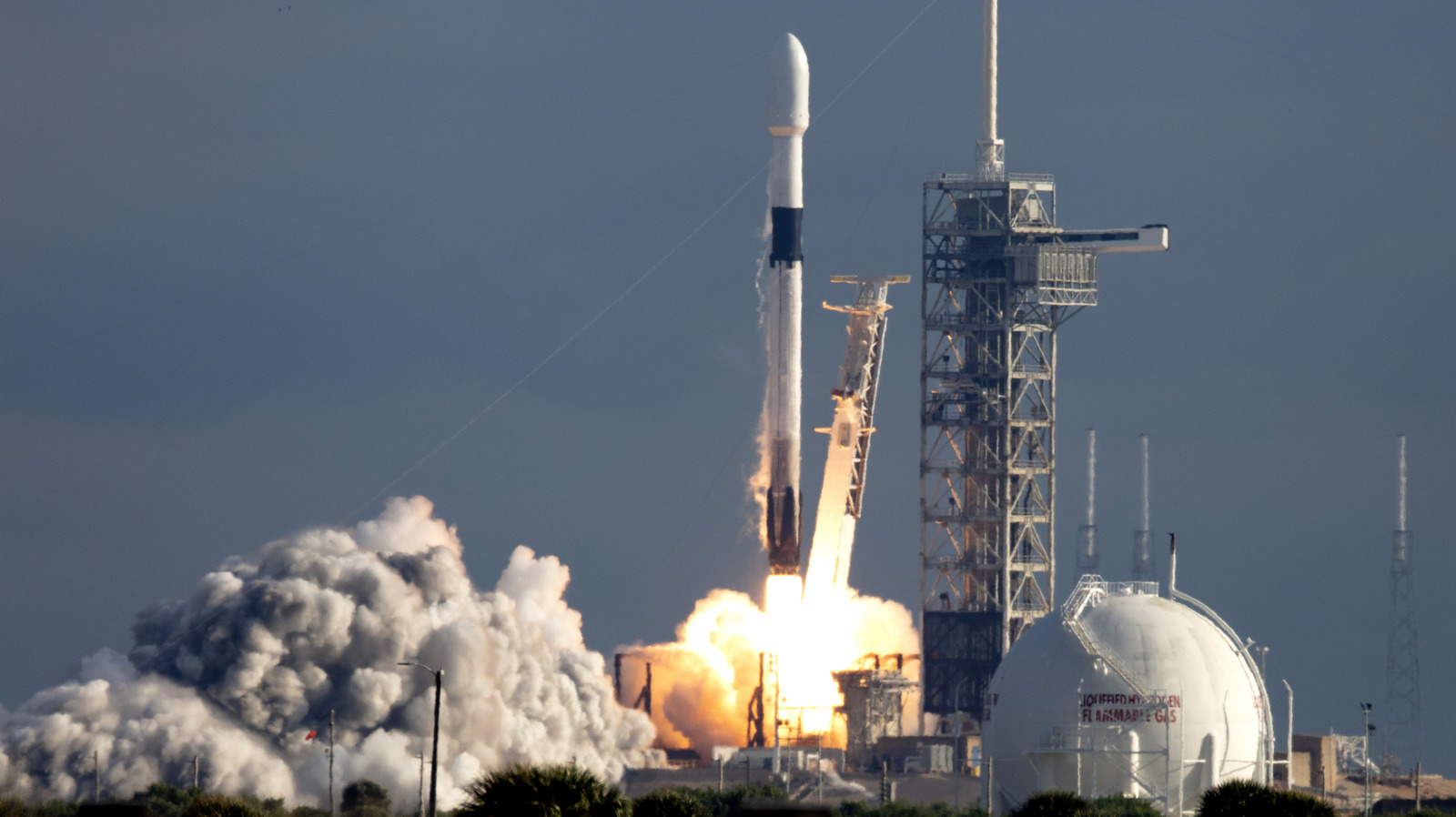
SpaceX’s Falcon 9 Rocket Just Had Its Invisible Pollution Studied For The First Time Ever
A 2026 study published in Nature found that a SpaceX Falcon 9 rocket’s uncontrolled re-entry in February 2025 spiked upper-atmosphere lithium levels 10 times above normal for 20 hours. The event provided the first direct evidence that spacecraft debris can pollute the upper atmosphere, potentially altering ozone chemistry and affecting how Earth reflects energy.
Why did the Falcon 9 re-entry cause atmospheric pollution?
The pollution occurred when a Falcon 9 rocket suffered an engine failure in February 2025, causing it to break apart during an uncontrolled re-entry over Europe. As the vehicle disintegrated, it released a plume of lithium vapor that drifted more than 1,000 miles across the continent, according to the Nature study.
Researchers targeted lithium specifically because it serves as a chemical fingerprint. While other metals found in rockets can originate from natural meteors, lithium is extremely rare in Earth’s atmosphere and typically only appears in modern spacecraft. This allowed scientists to isolate the rocket’s impact from natural background noise.
How did scientists detect the lithium plume?
A research team in Germany utilized a lidar system—which employs lasers to detect trace elements—to record a massive spike in lithium levels during the night of the re-entry. To confirm the source, the team combined this lidar data with computer models of atmospheric winds.
By modeling these winds, researchers traced the lithium plume directly back to the Falcon 9’s flight path. This methodology provided the evidence needed to link the chemical spike to the SpaceX vehicle. When the team contacted SpaceX for comment or explanation regarding these findings, the company did not provide a response prior to the study’s publication.
What are the long-term environmental risks of space debris?
The primary concern is the steady buildup of metals and metal oxides—compounds created when metals react with oxygen—in the upper atmosphere. According to the Nature researchers, these materials could potentially interfere with ozone chemistry.
Over time, a higher concentration of these metallic particles may change how the atmosphere absorbs and reflects energy, which could influence Earth’s climate. While this study focused on a single event, the authors warn that the increasing frequency of commercial launches makes this a systemic risk.
How does this affect future commercial space trends?
The findings suggest a shift toward stricter monitoring of rocket re-entries. As companies like SpaceX pursue aggressive goals, including the colonization of the moon, the environmental cost of “disposable” or failing hardware is coming under scrutiny.
The study highlights a gap in current aerospace regulations: the lack of monitoring for the chemical aftermath of re-entry. Future trends will likely include the integration of atmospheric sensors into space traffic management to track the short- and long-term impacts of metal vapor on the planet.
Comparison: Natural vs. Artificial Atmospheric Metals
| Metal Source | Common Origin | Atmospheric Frequency |
|---|---|---|
| Meteoric Dust | Natural Space Debris | Common/Baseline |
| Lithium | Modern Spacecraft | Extremely Rare |
Frequently Asked Questions
Did the Falcon 9 debris cause immediate harm to people?
Yes, the Nature study notes that debris landed within town limits in Poland, putting residents at risk.
How long did the lithium pollution last?
Lithium levels remained approximately 10 times higher than normal for about 20 hours following the re-entry.
Can this pollution destroy the ozone layer?
Researchers warn that the buildup of metal oxides could potentially affect ozone chemistry, though more research is needed to determine the exact magnitude of the impact.
Want to stay updated on the intersection of space exploration and environmental science?
Leave a comment below with your thoughts on space debris regulation or subscribe to our newsletter for the latest industry reports.