

Spain’s First Simultaneous Intestine and Pancreas Transplant: A Medical Milestone
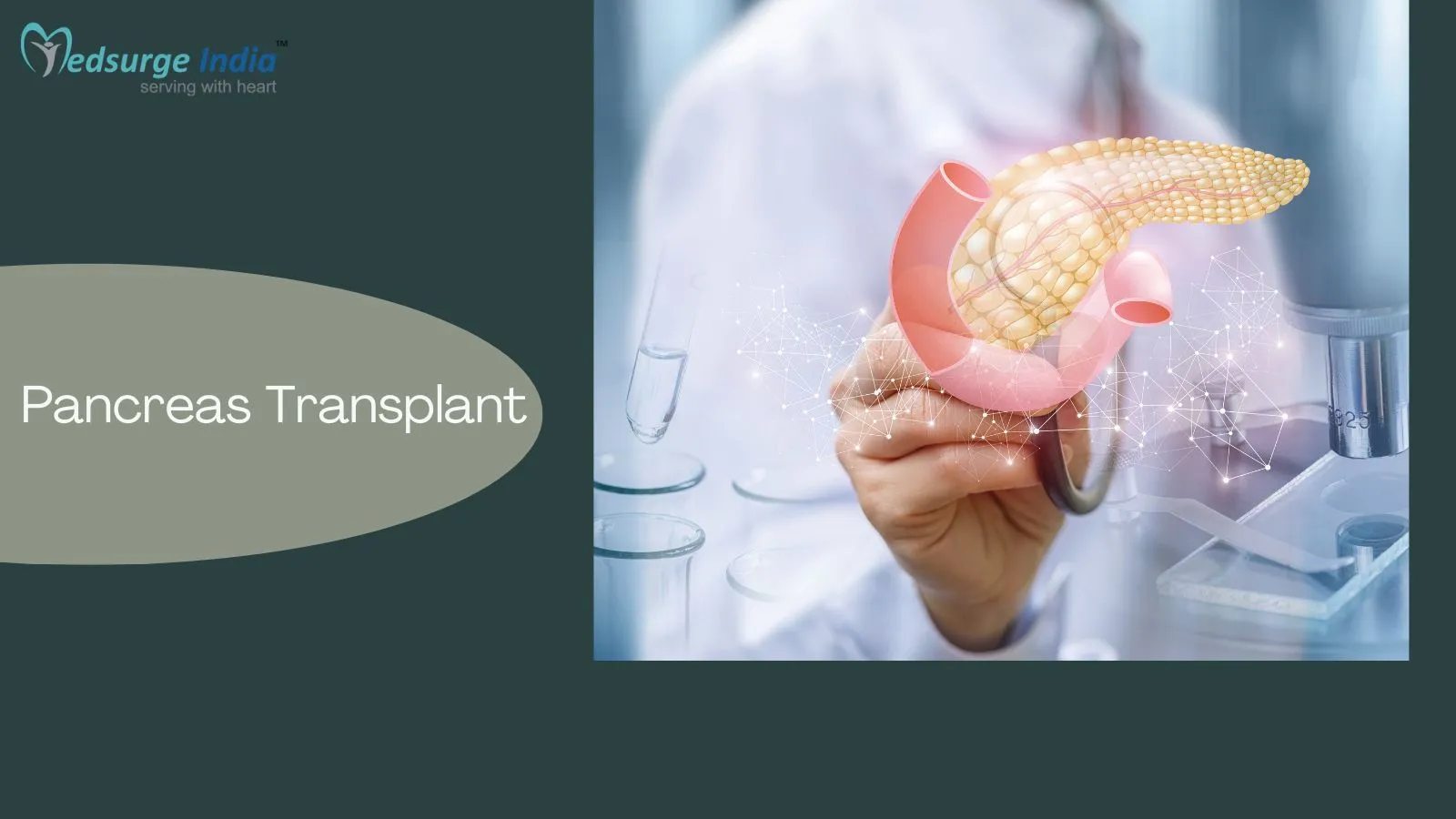
Hospital 12 de Octubre in Madrid performed Spain’s first simultaneous block transplant of the intestine and pancreas on a 46-year-old man. According to surgeon Dr. Jorge Calvo, the procedure allowed the patient to recover oral nutrition and return to an active life, marking a significant milestone in Spanish healthcare.
The patient previously suffered from an abdominal disease that prevented him from eating and required a feeding tube. Following the surgery, the man was discharged from the hospital after 15 days. Dr. Calvo stated that the patient has recovered “surprisingly well and surprisingly fast,” is gaining weight, and has returned to sports.
This intervention is the first of its kind in Spain, and according to Dr. Calvo, only one similar case is documented in world scientific literature. The surgeon noted that announcing the success serves to publicize services available to patients with complex diseases who may be unaware of these options.
Why is this simultaneous transplant significant?
The procedure addresses complex abdominal failures by replacing two critical organs in a single block. Dr. Calvo explained that the goal is to provide options to patients who might otherwise never seek treatment due to a lack of knowledge among the general population and medical professionals.
While technology provides support, Dr. Calvo clarified that intestinal transplants still rely on traditional surgical methods. He noted significant improvements in surgical and anesthetic techniques, as well as in ICU recovery, medication, antibiotics, and infection prevention.
How was the medical operation managed?
The surgery was executed by a nine-person surgical team. However, the broader support network included nurses, nutritionists, infectologists, anesthesiologists, and intensivists. Dr. Calvo emphasized that the success resulted from a collective effort rather than a single individual.
The operation relied on the Spanish transplant system led by the National Transplant Organization (ONT). Dr. Calvo described the ONT model as one that is imitated worldwide because it ensures speed, safety, and equity. He specifically credited the generosity of donor families as the essential starting point for the procedure.
What may happen next for complex transplant patients?
The visibility of this case could lead to more patients with complex abdominal diseases seeking similar interventions. Increased awareness among healthcare professionals may result in more referrals to specialized centers.
Other hospitals in Spain, such as La Paz, Ramón y Cajal, Valle de Hebrón, and Virgen del Rocío in Seville, already perform intestinal transplants. This existing infrastructure suggests that access to these professionals may remain available across different regions of the country.
Future medical strategies may continue to balance transplants with daily treatments. Dr. Calvo indicated that daily treatment is often more profitable than a transplant, suggesting that medical teams may continue to prioritize conservative management before opting for surgery.
Frequently Asked Questions
Who performed the first simultaneous intestine and pancreas block transplant in Spain?
The procedure was performed at the Hospital 12 de Octubre in Madrid, with Dr. Jorge Calvo serving as one of the key surgeons.
What was the patient’s recovery timeline?
The 46-year-old patient was discharged from the hospital 15 days after the surgery and has since returned to a nearly normal diet and active lifestyle.
Which other Spanish hospitals are capable of intestinal transplants?
According to Dr. Calvo, other centers including La Paz, Ramón y Cajal, Valle de Hebrón, and Virgen del Rocío de Sevilla have also performed intestinal transplants.
How do you think increased public awareness of rare medical procedures affects patient outcomes?