
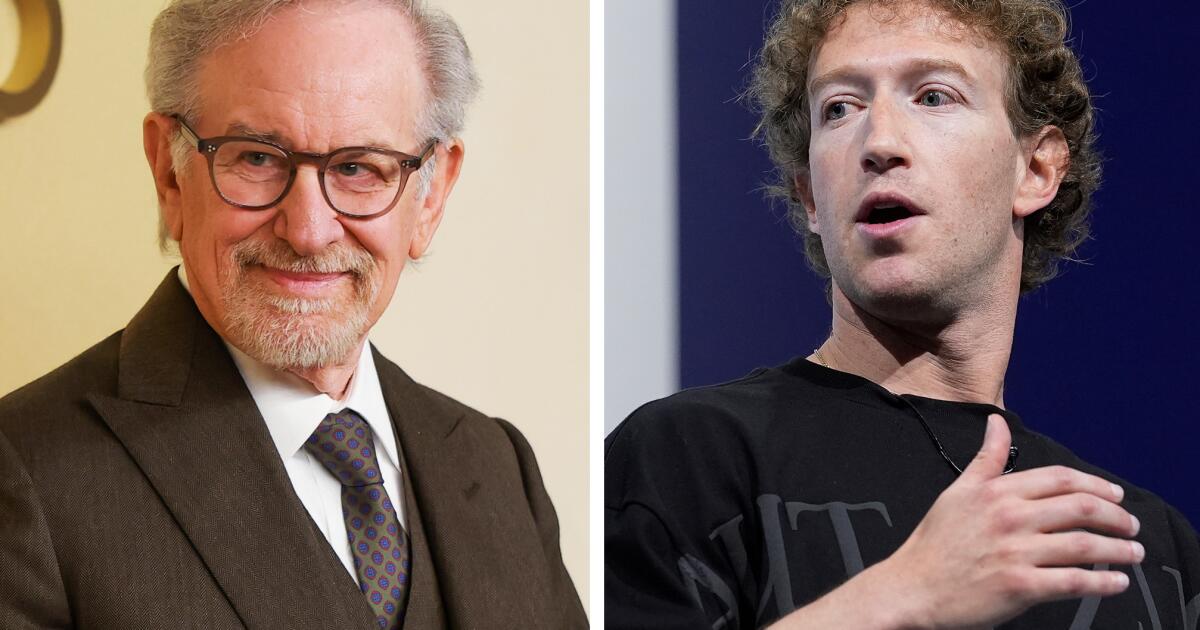
Spielberg, Zuckerberg Moves Spark California Tax Debate
The California Exodus: Billionaires, Taxes and the Future of Wealth Distribution
The recent moves of Hollywood titan Steven Spielberg and Facebook founder Mark Zuckerberg – to New York and Florida respectively – have ignited a debate far beyond celebrity real estate. While both individuals cite personal reasons for their relocations, the backdrop is a proposed California tax targeting the state’s wealthiest residents. This isn’t an isolated incident; it’s a potential harbinger of broader shifts in where the ultra-rich choose to live, and the implications for state economies are significant.
The Wealth Tax Debate: A National Trend?
California’s proposed 5% tax on billionaires isn’t unique. Similar proposals are gaining traction in other states and at the federal level, fueled by growing income inequality and a desire to fund public services. Maryland considered a similar tax on capital gains in 2024, and discussions around a federal wealth tax continue, championed by figures like Senator Bernie Sanders. The core argument: those who have benefited most from the economic system should contribute more to its upkeep.
However, critics argue that such taxes incentivize the wealthy to move, eroding the tax base and ultimately harming the very programs they’re intended to support. This “flight of capital” is a key concern, and the California situation is being closely watched as a potential case study. A 2023 study by the Tax Foundation found that states with higher top marginal tax rates experienced slower economic growth compared to those with lower rates.
Beyond Taxes: The Appeal of Sunbelt States
While tax policy is a major factor, it’s not the only one. Florida and Texas, in particular, are experiencing an influx of high-net-worth individuals for a variety of reasons. No state income tax, a more relaxed regulatory environment, and a perceived higher quality of life (particularly regarding weather and outdoor activities) are all contributing factors. Miami, in particular, has become a magnet for the tech and finance industries, attracting venture capital and fostering a burgeoning entrepreneurial ecosystem.
Did you know? Texas has seen its population grow by over 40% since 2000, largely driven by migration from other states, including California. This demographic shift is reshaping the political landscape and economic priorities of the nation.
The Impact on California’s Economy
California’s economy is heavily reliant on its wealthiest residents. As Governor Gavin Newsom’s budget summary highlights, a small percentage of taxpayers contribute a disproportionately large share of the state’s personal income tax revenue. A significant outflow of this wealth could create substantial budget challenges, potentially leading to cuts in essential services like education and healthcare.
However, it’s not a simple equation. California still boasts a highly skilled workforce, a thriving innovation ecosystem, and a desirable lifestyle. The state is actively investing in areas like renewable energy and biotechnology, which could attract new businesses and residents. The question is whether these strengths will be enough to offset the potential loss of wealth.
Residency Rules and Tax Avoidance Strategies
Determining residency for tax purposes is becoming increasingly complex. States are scrutinizing factors beyond just where someone claims their primary residence, looking at things like voter registration, driver’s license location, and the amount of time spent in the state. The California Franchise Tax Board’s criteria, as outlined in the article, are extensive and designed to prevent wealthy individuals from simply changing their address on paper to avoid taxes.
Pro Tip: Wealthy individuals are increasingly utilizing sophisticated estate planning strategies and trust structures to minimize their tax liabilities and protect their assets. These strategies often involve establishing residency in multiple states or utilizing offshore accounts.
The Future of Wealth Distribution and State Competition
The California exodus, and the broader trend of wealth migration, highlights a growing tension between states competing for economic dominance. States are essentially bidding for the loyalty of the wealthy, offering tax incentives and favorable regulations. This competition could lead to a “race to the bottom,” where states lower taxes and weaken regulations in an attempt to attract investment, potentially at the expense of public services.
The long-term implications are profound. If wealth continues to concentrate in a handful of low-tax states, it could exacerbate income inequality and create regional economic disparities. This could fuel social unrest and political polarization, further complicating efforts to address pressing societal challenges.
FAQ
Q: Will a wealth tax actually drive billionaires out of California?
A: It’s difficult to say definitively, but the potential for an outflow of capital is real. The extent to which it happens will depend on the specific details of the tax and the overall economic climate.
Q: What are the alternatives to a wealth tax?
A: Alternatives include increasing taxes on corporations, closing tax loopholes, and implementing progressive income tax rates.
Q: Is this trend limited to California?
A: No, similar trends are being observed in other high-tax states like New York and Illinois.
Q: How can states attract and retain wealthy residents?
A: By investing in education, infrastructure, and quality of life amenities, and by creating a favorable business environment.
Q: What is the role of Delaware in this trend?
A: Many companies, including Meta, incorporate in Delaware due to its business-friendly laws and court system, offering tax advantages and legal protections.
What are your thoughts on the potential impact of wealth migration? Share your opinions in the comments below! Explore our other articles on economic trends and state tax policies for more in-depth analysis. Subscribe to our newsletter for the latest updates and insights.