
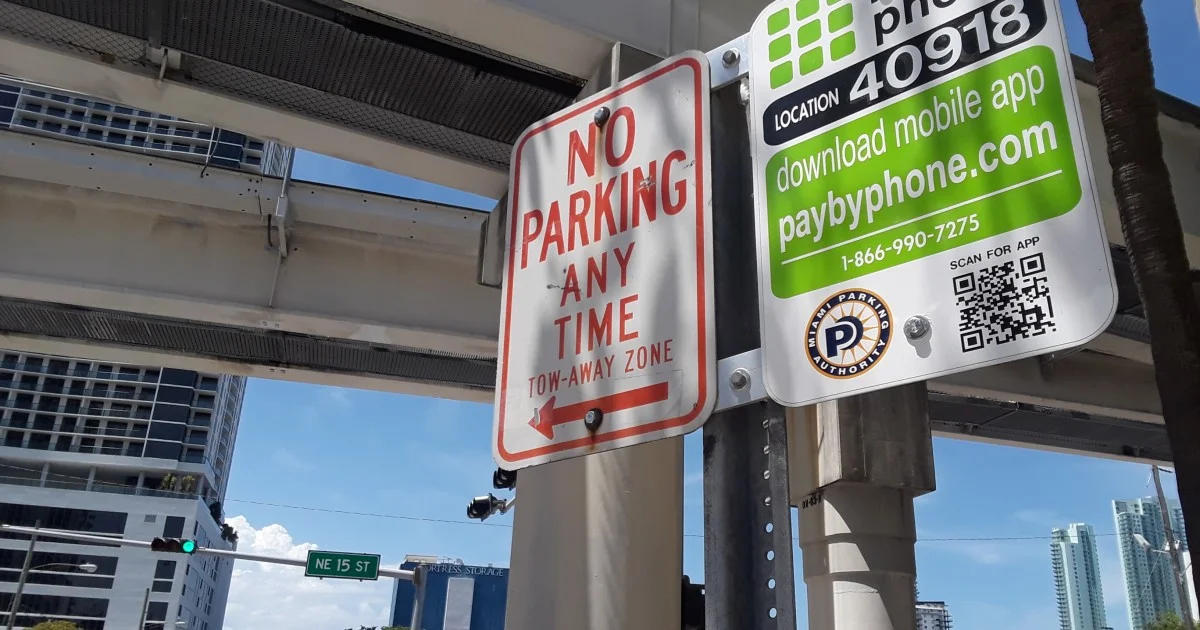
St. Petersburg Proposes New Resident-Only Parking to Tackle Commercial Overflow
The Battle for the Curb: How Cities are Redefining Residential Parking
As urban centers evolve, the street in front of your home is no longer just a place to park your car—it has become a high-stakes piece of real estate. In growing cities like St. Petersburg, the friction between thriving commercial corridors and the quiet of residential life is reaching a breaking point. When a local bistro or a trendy boutique becomes a hit, the surrounding side streets often become the unofficial parking lot for customers and employees.
This “parking spillover” is a symptom of a larger global trend: the struggle to balance economic vitality with urban livability. While residential parking permits have been a tool for decades, the way cities manage the curb is undergoing a fundamental transformation.
The Shift Toward “Managed” Curb Space
For years, the default setting for residential streets was “first-come, first-served.” However, we are moving toward an era of Active Curb Management. Rather than simply designating zones, cities are beginning to treat the curb as a flexible asset that can change based on time of day, demand, or neighborhood needs.
The trend is moving away from static permits toward data-driven designations. By requiring a specific threshold of occupancy—such as the 75% occupancy rule seen in recent proposals—cities are ensuring that restrictions are based on empirical evidence rather than anecdotal complaints. This prevents “parking deserts” and ensures that restrictions only exist where they are truly necessary.
The Rise of the “15-Minute City”
The concept of the 15-Minute City—where all essential services are within a short walk or bike ride—is changing parking dynamics. As more people ditch cars for micro-mobility, the demand for long-term residential parking may decrease, but the demand for short-term “loading zones” for delivery services (like Amazon or UberEats) is skyrocketing.
Future urban planning will likely see a hybrid approach: resident-only zones for overnight hours, transitioning into flexible loading or commercial zones during business hours.
Smart Parking: The End of the Paper Permit?
The traditional annual permit—and the associated fee hikes—is a legacy system. The future of residential parking lies in Digital Twin technology and IoT (Internet of Things) sensors. Imagine a city where your vehicle’s license plate is your permit and sensors in the asphalt alert the city in real-time when a non-resident vehicle has exceeded its two-hour limit.
Many forward-thinking municipalities are exploring “Dynamic Pricing.” Instead of a flat annual fee, parking costs could fluctuate based on demand. This encourages turnover in commercial areas and prevents commuters from using residential streets as free long-term storage for their vehicles.
Balancing Business Growth and Neighborhood Peace
There is a delicate tension here: if you make it too hard for customers to park, you risk stifling the very businesses that make a neighborhood desirable. The “buffer zone” strategy—where spaces directly abutting commercial uses remain open—is a critical compromise.
Real-world examples from cities like London and New York show that when resident-only parking is implemented too aggressively, it can push traffic deeper into other residential pockets, creating a “balloon effect.” The key to success is a phased approach, utilizing parking studies to ensure that the solution doesn’t simply move the problem two blocks over.
Key Future Trends to Watch:
- License Plate Recognition (LPR): Replacing physical stickers with automated camera systems.
- Shared Parking Agreements: Businesses paying for the right to use residential spots during specific hours.
- EV Charging Priority: Resident-only spots being converted into dedicated electric vehicle charging hubs.
Frequently Asked Questions
How do resident-only parking areas usually start?
Most cities require a formal petition process. Typically, a significant majority of households (often two-thirds or more) must agree to the restriction before the city conducts a professional parking study to verify the need.

Do service vehicles get special treatment?
Yes, in most modern ordinances, commercial service vehicles (plumbers, landscapers, delivery drivers) are granted a grace period—usually around two hours—to ensure that home maintenance and commerce can still function.
Will permit fees continue to rise?
Likely, yes. As cities move toward more expensive digital management systems, the cost of administration is often passed to the resident through annual permit fees.
Does this help reduce traffic?
While it doesn’t reduce the number of cars, it reduces “cruising” traffic—the act of driving around blocks repeatedly searching for a spot—which improves overall traffic flow and safety.
What is the parking situation like in your neighborhood? Do you think resident-only permits are a fair solution, or do they hurt local businesses? Let us know in the comments below or share this article with your neighbors to start the conversation!
For more insights on urban development and city living, explore our Urban Planning archive or subscribe to our weekly newsletter for the latest city updates.