
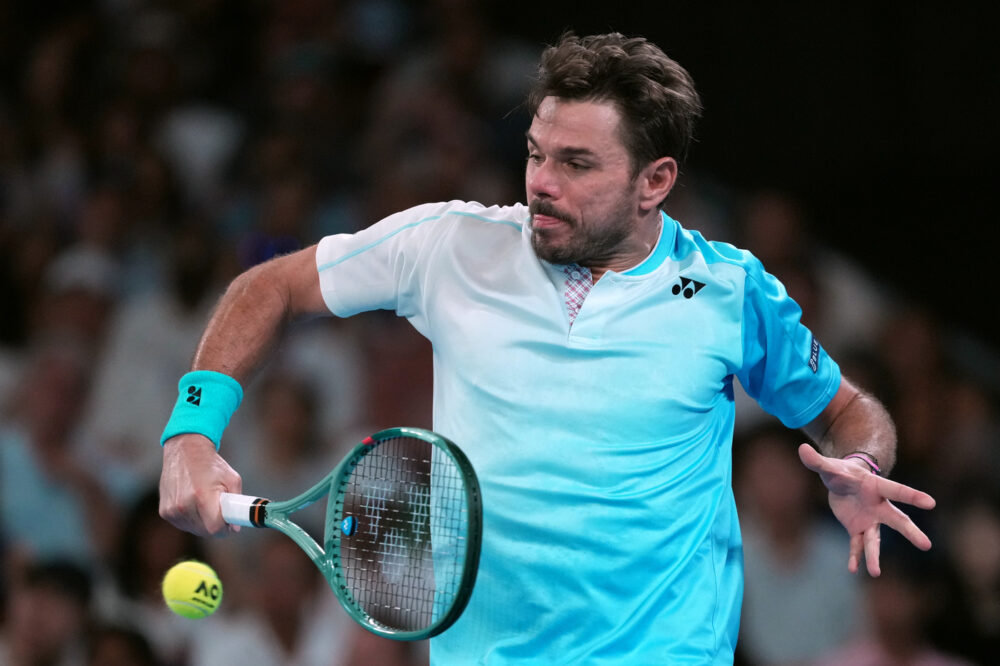
Stan Wawrinka Addresses Tennis Calendar Issues and Revenue Distribution Debates
Three-time Grand Slam champion Stan Wawrinka has identified the professional tennis calendar as a primary threat to player health, arguing that the current structure forces athletes into a cycle of over-participation. While acknowledging ongoing debates regarding revenue distribution among Grand Slam tournaments, the Swiss veteran maintains that the physical toll of a congested schedule remains the most urgent issue facing the sport today.
Stan Wawrinka, who has publicly announced his intention to retire at the end of the current season, noted that the debate over revenue distribution in tennis is not a new phenomenon, stating that these tensions existed twenty years ago, well before he entered the professional circuit.
The Complexity of Revenue Distribution
Professional tennis operates through a fragmented governance structure involving the ATP, the WTA, the ITF, and the Grand Slam tournaments. According to Wawrinka, this multifaceted system makes it difficult to reach a consensus on how revenue should be shared. He observed that various stakeholders, including players with vastly different needs—such as a top 10 player compared to a player ranked 100th—are all competing for a larger share of the financial pie.

Wawrinka stated he is not directly involved in the current discussions regarding increased revenue shares for players. He attributed his distance from the negotiations to his impending retirement and a lack of direct involvement in the policy-making process, opting instead to monitor the situation through media reports.
Samantha Carter observes that the tension Wawrinka describes highlights a systemic friction between the desire for equitable pay and the operational realities of a global, multi-organization sport. The inability to align the interests of the ATP, WTA, and Grand Slams suggests that any structural reform regarding prize money or scheduling may face significant, prolonged administrative hurdles.
Impact on Player Health and the Future of the Circuit
The most significant concern for the sport, according to Wawrinka, is the density of the competitive calendar. He pointed to the high incidence of injuries among the top 20 to 30 players in the current generation as direct evidence that the schedule is too complex and demanding. Because the current system effectively requires players to participate in nearly every tournament, the physical strain on athletes has become a priority concern.
Looking ahead, the professional circuit may face increased pressure from player representatives to streamline the tournament schedule. If injury rates among elite players continue to climb, governing bodies could be forced to reconsider the frequency and overlap of major events to ensure the long-term viability of the tour. Any transition toward a less dense calendar would likely require a high level of cooperation between the ATP, WTA, and the Grand Slam organizers, a task that remains difficult given the competing interests identified by Wawrinka.
Frequently Asked Questions
Is Stan Wawrinka involved in the push for higher Grand Slam revenue shares?
No. Wawrinka stated he is not involved in these discussions, noting that he is not currently part of the negotiations and learns about these developments through the press.
Why does Wawrinka believe the tennis calendar is problematic?
He believes the schedule is overly dense and complicated, which forces players to compete in too many tournaments and contributes to the high rate of injuries seen among the top 20 to 30 players in the world.
What organizations are involved in the complex structure of professional tennis?
According to Wawrinka, the system is governed by a complex arrangement involving the Grand Slam tournaments, the ITF, the ATP, and the WTA.
Do you believe the professional tennis circuit can achieve a balance between player health and the current tournament structure?