
States forge ahead with AI regulations despite Trump’s insistence he lead the way
State governments are increasingly enacting artificial intelligence regulations despite a federal warning from President Donald Trump to refrain from such oversight. While Congress has stalled on national AI legislation, states including Illinois, Colorado, and Connecticut are passing targeted laws to manage AI interactions with children, monitor workplace bias, and require transparency in AI-generated content.
Did You Know? President Trump’s executive order directed the Department of Justice to challenge state laws deemed more than “minimally burdensome” and authorized the Department of Commerce to identify problematic state-level regulations.
The Conflict Between Federal and State Authority
The White House has framed national AI policy as a top economic and security priority, arguing that state-level fragmentation could hinder the industry’s ability to compete with China. According to the administration, the federal government intends to prioritize national security and economic growth while avoiding unnecessary regulatory hurdles. Despite this, the executive branch has not initiated litigation or withheld federal funding from states that have moved forward with their own AI statutes.

State lawmakers have largely continued their efforts regardless of the federal stance. Justine Gluck, policy director at the Future of Privacy Forum, noted that more AI-related bills have been introduced this year than in the previous year, with participation from both Republican and Democratic legislators.
State-Level Regulatory Trends
Legislative efforts have shifted from broad, industry-wide mandates to more focused protections. In Illinois, a pending bill requires developers of large-scale AI models to establish protocols against catastrophic outcomes, such as infrastructure hacks or biological weapon risks. The legislation also demands independent audits to verify developer compliance, a move analysts suggest signals a growing trend toward increased corporate accountability.
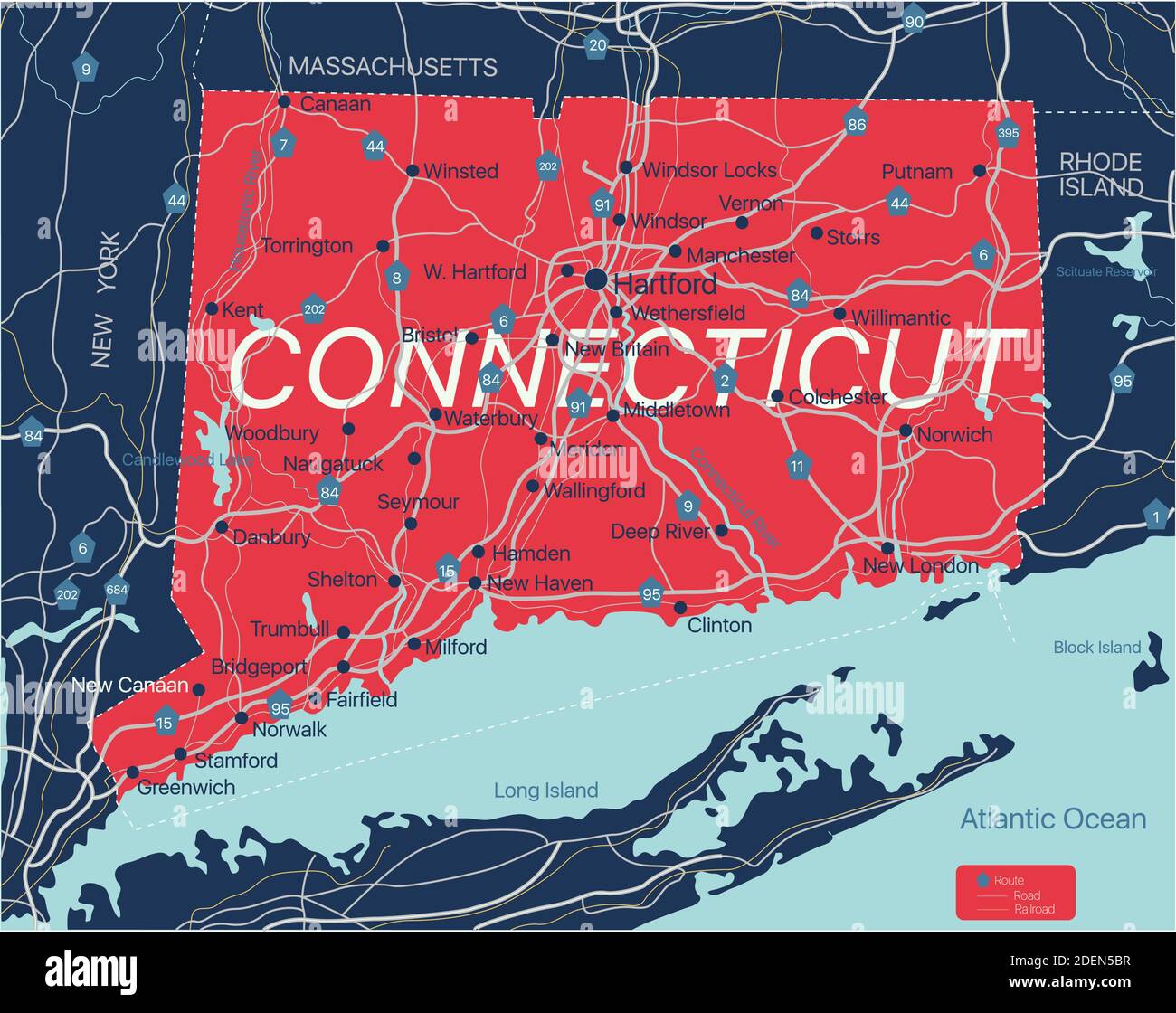
Other states are focusing on consumer transparency and child safety. Colorado, Connecticut, Idaho, Iowa, Nebraska, and Oregon have passed laws requiring companies to disclose when users are interacting with an AI rather than a human. Connecticut has specifically enacted provisions for “companion” chatbots, prohibiting them from interacting with minors unless they are programmed to prevent self-destructive behavior and provide parental management tools.
Expert Insight: The divergence between federal and state approaches highlights a structural tension in American technology policy. While federal leaders prioritize a unified market to maintain international competitiveness, individual states are filling the regulatory vacuum to address immediate consumer protection concerns and perceived risks to minors, creating a patchwork of requirements that companies must now navigate.
Future Legislative Scenarios
The regulatory landscape remains volatile as states balance industry pressure against constituent demands. In states like Florida, some legislative attempts have stalled due to concerns over federal preemption, with House Speaker Daniel Perez citing the administration’s clear preference for federal control. Conversely, in California, lawmakers are advancing the “No Robo Bosses Act of 2026,” which would restrict the use of AI in firing or disciplining employees.
Analysts expect that if federal gridlock continues, more states will likely adopt laws modeled after California and New York’s frameworks. The outcome of these state-level experiments may eventually force Congress to reconcile competing interests to provide a standardized national policy, though no immediate resolution appears imminent.
Frequently Asked Questions
What is the primary motivation for state-level AI regulation?
States are focusing on specific areas where AI impacts daily life, including protecting children from chatbot interactions, ensuring transparency when AI is used in employment or banking, and preventing catastrophic risks from advanced AI models.
Has the Trump administration taken legal action against states?
No. While the White House issued an executive order threatening to restrict funding or challenge state laws that are not “minimally burdensome,” it has provided no indication that it has filed lawsuits or withheld funds from states that have enacted their own AI legislation.
Are all states moving forward with AI regulation?
No. Some states have paused or rejected legislation due to the White House’s stance. For example, the Florida House refused to advance an AI “Bill of Rights,” and progress stalled in Utah after the White House sent a memo stating it was “categorically opposed” to the proposed bill.
How should the responsibility for regulating rapidly evolving technology be divided between federal and state governments?