
Stealth Marketing: The Ethics of Undisclosed Music Promotion
The landscape of music promotion is shifting toward stealthier, less obvious methods of capturing listener attention. While some artists rely on massive campaigns, others are utilizing a more understated approach to enter the public consciousness.
The Divide in Narrative Shaping
Not all artists have the same resources to build their public image. According to Litchmore, “The large-scale narrative-shaping people imagine is expensive, rare, and usually reserved for artists with substantial backing.”
Because of these costs, independent artists are often forced to adapt. Litchmore notes that “the reality for most independents is that they have to approach the space differently.”
The Rise of ‘Shitpost’ Advertising
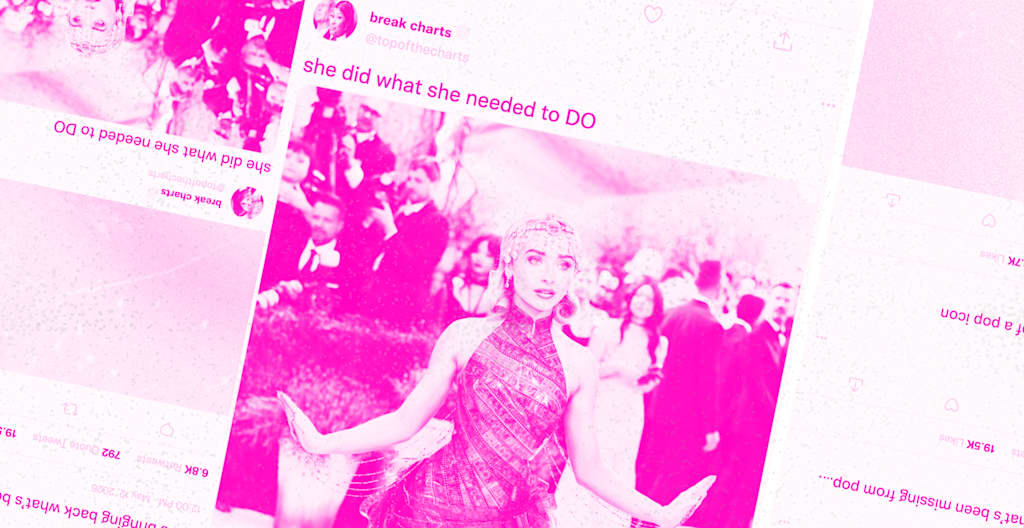
Recent developments, such as the unveiling of Chaotic Good, highlight a trend of undisclosed promotion. This strategy often involves placing ads in “shitpost clothing,” where promotional content is disguised as organic takes from accounts users already follow.

This orchestration can create a feeling of being bamboozled, resembling a “Truman Show-meets-Nathan Fielder-meets-Punk’d segment.” It suggests that content previously thought to be safe from the algorithm may actually be carefully coordinated.
Subconscious Impact and Future Outlook
While users are not forced to listen to promoted songs, the artists, tracks, or music videos enter the viewer’s consciousness in passing. This may lead a person to feel they have heard a name before, even if they cannot recall the specific source.
This dynamic may become an inescapable part of existing online in 2026. While users may develop tools to spot these stealth tactics, new and equally stealthy methods could eventually replace them.
Frequently Asked Questions
Is it legal to hide that a post is an ad?
According to FTC standards, it is legally deceptive not to disclose when a post is an advertisement.
Why do independent artists use different promotion strategies?
Litchmore states that large-scale narrative-shaping is expensive and rare, typically reserved for those with substantial backing, meaning independents must approach the space differently.
How does stealth promotion affect the listener?
Even if a listener doesn’t consciously engage, the artist or track enters their consciousness, potentially making the name feel familiar later on.
Do you think stealth marketing is a fair tool for independent artists, or does it cross an ethical line?