
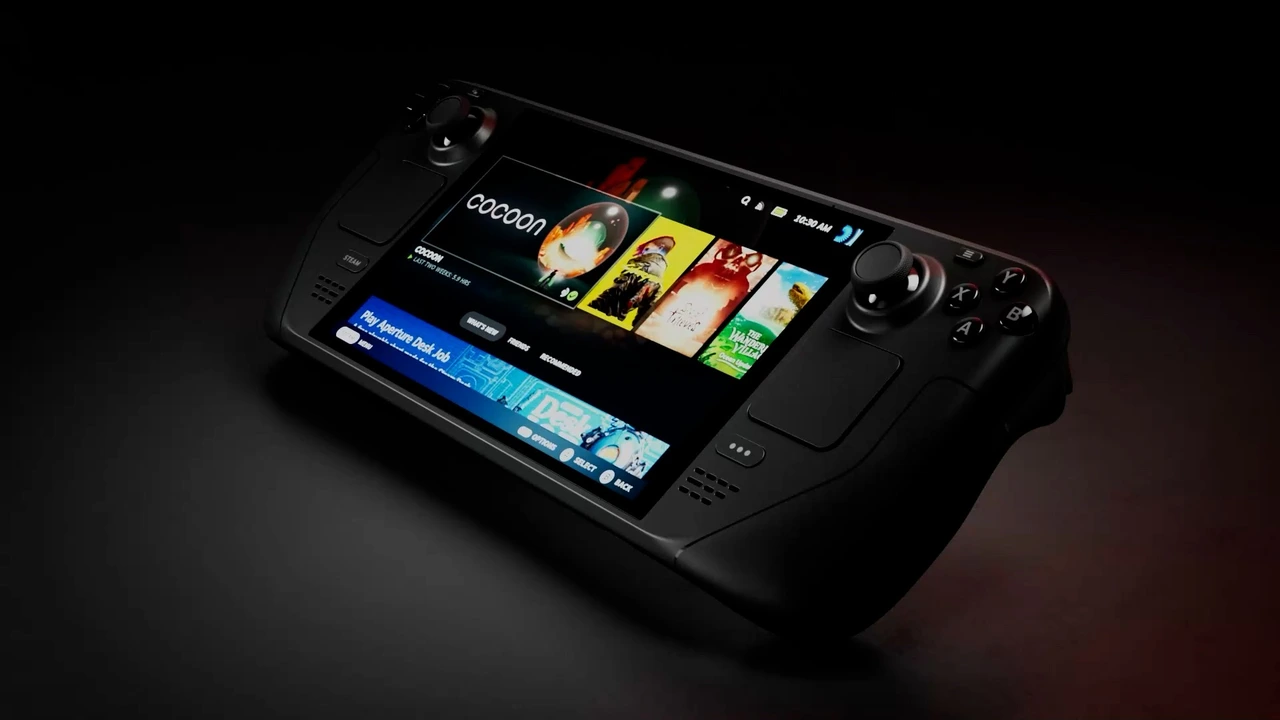
Steam Deck Price Increases Due to AI RAM Shortage
The AI Tax: Why Your Next Gaming Console Will Cost More
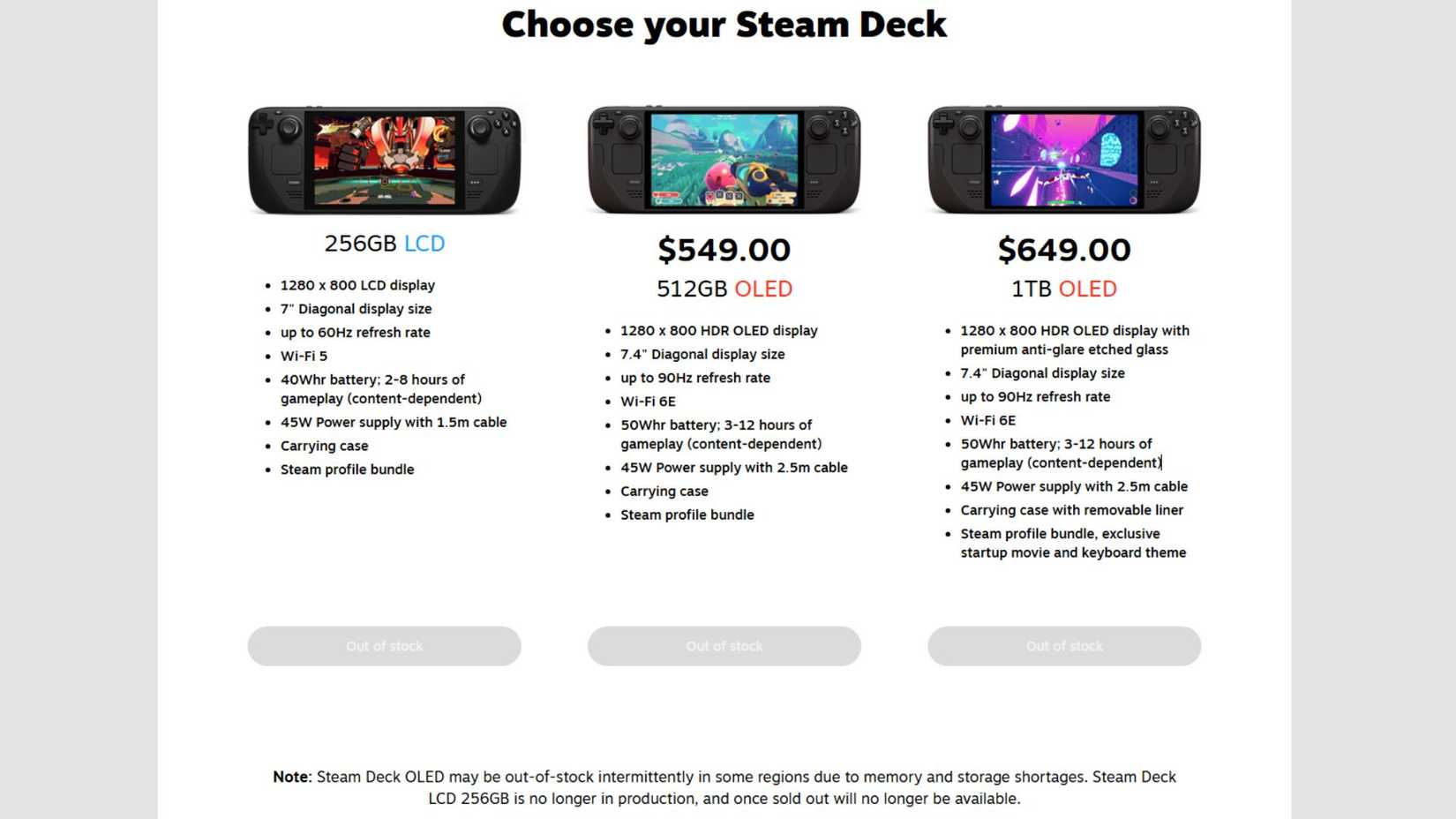
If you’ve noticed the price of your favourite handhelds or consoles creeping upward, you aren’t imagining it. The recent price jump of the Steam Deck—surging by as much as 200 euros in some markets—is a flashing red light for the entire consumer electronics industry.
While manufacturers often cite “supply chain issues” or “inflation,” the reality is far more specific and systemic. We are currently witnessing a collision between the gaming world and the Artificial Intelligence gold rush.
The RAM War: Why AI is Eating Your Hardware
At the heart of this price hike is RAM (Random Access Memory). Think of RAM as the “short-term memory” of a device. Whether it’s a smartphone, a tablet, or a high-end gaming PC, RAM determines how quickly a device can access data and run multiple tasks simultaneously.
The explosion of Generative AI has created an insatiable demand for high-bandwidth memory. Companies like NVIDIA and AMD are prioritizing the production of chips for data centres and AI servers because the profit margins are astronomical compared to consumer gaming hardware.
The Ripple Effect Across the Industry
This isn’t just a Valve or Steam Deck problem. We’ve already seen PlayStation, Xbox, and Nintendo navigate price adjustments. When the cost of a fundamental component like RAM rises globally, manufacturers have two choices: absorb the loss or pass the cost to the consumer.
For a niche, high-performance device like a handheld gaming PC, absorbing a 200-euro increase is often impossible without killing the product’s viability. The “AI Tax” is being billed directly to the gamer.
For more on how semiconductors are shaped, check out the Semiconductor Industry Association for global trends.
Is Gaming Becoming a Luxury Hobby?
For decades, gaming was the accessible alternative to expensive hobbies. However, we are entering an era where “high-end” gaming is becoming a luxury tier. Between the rising cost of hardware and the shift toward premium $70 game titles, the barrier to entry is climbing.
Industry experts, including gamedeskundige Joppe Varkevisser, have pointed out that a price tag nearing 1,000 euros for a handheld device pushes it out of the reach of the average teenager or casual gamer. This creates a market divide: those who can afford the “hardware arms race” and those who cannot.
Future Trends: Where Do We Go From Here?
If hardware continues to become prohibitively expensive, the industry will be forced to pivot. Here are the three most likely trajectories for the future of gaming:
1. The Rise of the “Cloud-First” Era
As local hardware costs soar, Cloud Gaming (via services like Xbox Cloud Gaming or NVIDIA GeForce Now) becomes more attractive. When the processing happens on a server, you don’t need 32GB of expensive RAM in your living room—you just need a stable internet connection and a basic screen.
2. Subscription-Based Hardware
We may see a shift toward “Hardware as a Service” (HaaS). Instead of paying 1,000 euros upfront, consumers might pay a monthly subscription that includes the latest console, with a guaranteed upgrade every two years.
3. Optimization Over Raw Power
Developers may stop relying on “brute force” hardware specs and return to the era of extreme optimization. When RAM is expensive, the brilliance of the code becomes more important than the size of the chip.

You can read more about our analysis of the future of cloud infrastructure on our insights page.
Frequently Asked Questions
Why is AI making gaming consoles more expensive?
AI requires massive amounts of RAM and GPU power. Because AI companies are buying up the global supply of these chips, the cost of production for consumer electronics increases.
Will Steam Deck prices ever go back down?
It depends on the semiconductor market. If new RAM factories come online or if the AI bubble stabilizes, prices may drop. However, general inflation usually prevents prices from returning to their lowest historical points.
Should I buy a gaming console now or wait?
If you need a device now, buying sooner is generally better during an inflationary trend. However, if you have a functioning device, waiting for the next generation of “AI-optimized” hardware might be a smarter long-term move.
What do you think?
Is 1,000 euros too much for a handheld gaming PC, or is the performance worth the premium? Are you considering switching to cloud gaming to avoid these costs?
Let us know in the comments below or subscribe to our newsletter for the latest tech alerts!