
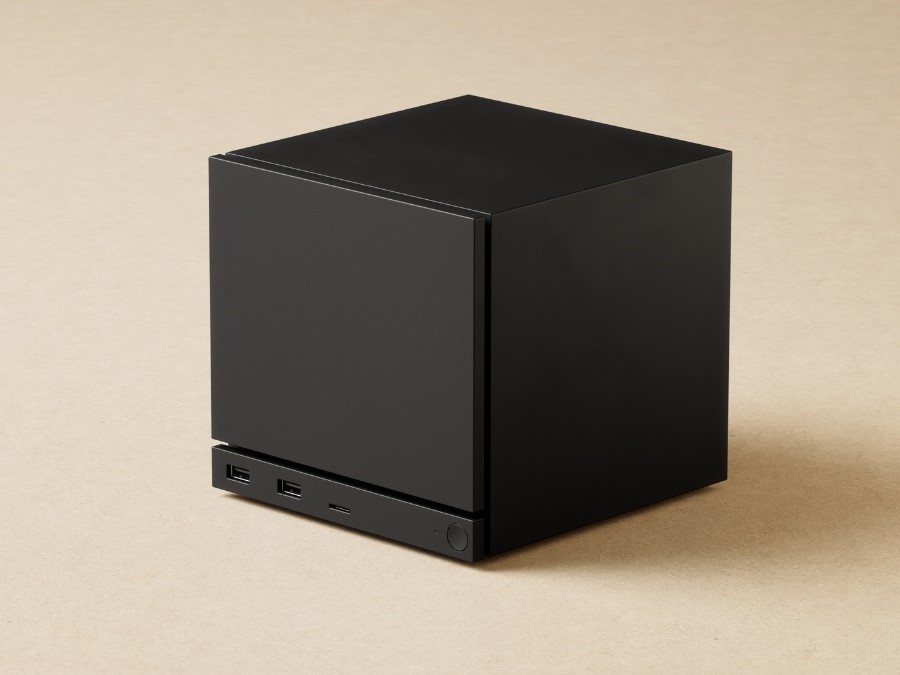
Steam Machine launch appears near as Valve adds Welcome Tour to Steam backend
The Living Room Revolution: Why the ‘Console-fication’ of PCs is the Next Big Leap
For years, the divide between the “hardcore PC gamer” and the “console player” was a canyon. One lived in a dedicated office with a mechanical keyboard and a 32-inch monitor; the other lounged on a sofa with a controller and a 65-inch OLED. But that line is blurring faster than ever.
The recent whispers surrounding Valve’s hardware movements—specifically the emergence of setup assets for a potential Steam Machine—point to a larger industry shift. We aren’t just talking about another box under the TV; we are witnessing the rise of the “Living Room PC.”
This trend is about removing the friction between high-end performance and home comfort. The goal is simple: the power of a gaming rig with the “it just works” simplicity of a PlayStation or Xbox.
The Ecosystem Play: Hardware as a Gateway to Software
Valve isn’t just selling hardware; they are securing their ecosystem. When a company controls both the operating system (SteamOS) and the hardware, the user experience becomes seamless. What we have is the “Apple approach” applied to gaming.
By integrating a “Welcome Tour” and streamlined setup processes, Valve is targeting the non-technical user. The modern gamer doesn’t want to troubleshoot driver conflicts or manage BIOS settings; they want to click “Play” and be in the game within seconds.
We see this trend across the industry. Look at how NVIDIA’s GeForce Now is attempting to decouple high-end gaming from physical hardware entirely. Whether through a local “Machine” or the cloud, the trend is clear: hardware is becoming a transparent bridge to the library.
The Shift Toward Modular Configurations
Rumors of multiple storage tiers—ranging from 512GB to 2TB—suggest that Valve understands the diverse needs of the modern player. With AAA titles like Call of Duty or Baldur’s Gate 3 ballooning in size, storage is no longer a luxury; it’s a primary spec.

This modular approach allows a company to capture two different markets: the casual gamer who wants a budget-friendly entry point and the enthusiast who wants a “forever machine” capable of housing a massive library locally.
Navigating the Hardware Bottleneck
The tech industry has been haunted by supply chain instability, particularly regarding memory and semiconductor shortages. This has forced companies to rethink their launch windows and inventory management.
The delay of high-end hardware isn’t just a corporate hurdle; it’s a signal of how fragile the global tech pipeline remains. However, the move toward more standardized components in gaming hardware—similar to how the Steam Deck uses an AMD APU—helps mitigate these risks by relying on more widely available architectures.
As we move forward, expect to see more “hybrid” hardware that can pivot between different component suppliers to avoid the catastrophic delays we saw in the early 2020s.
The Future of the Home theatre PC (HTPC)
The original HTPC was a clunky DIY project. The new era is about integration. We are moving toward a future where your gaming machine is also your media hub, your emulation station, and your productivity tool—all controlled via a gamepad or a voice assistant.
The integration of a dedicated controller bundle further suggests that the “keyboard and mouse” era of the living room is ending. The future is tactile, ergonomic, and designed for distance.
For more on how to optimize your current setup, check out our guide on optimizing gaming PC performance for 4K displays.
Frequently Asked Questions
What is the difference between a Steam Machine and a Steam Deck?
While the Steam Deck is a handheld device for on-the-go gaming, a Steam Machine is designed as a stationary console to be connected to a television, offering higher performance and a larger-scale experience.

Will a Steam Machine require a separate controller?
Likely yes, though evidence suggests Valve may offer bundles that include a dedicated controller to ensure a plug-and-play experience right out of the box.
Can I use my existing Steam library on new Valve hardware?
Yes. The primary advantage of Valve’s hardware is the seamless integration with your existing Steam account and library, regardless of the device.
Why are these devices delayed by memory shortages?
High-performance gaming requires specific types of fast RAM and VRAM. When global supply chains for these specific chips tighten, manufacturers must either delay launches or risk shipping underperforming products.
What do you think?
Would you ditch your current console for a dedicated Steam Machine, or do you prefer the flexibility of a full desktop PC? Let us know in the comments below!