

Steel City Developer on Community Backlash and Sticking to Game Vision
Steel City developer Habib told Insider Gaming he regrets prioritizing loud community feedback over the studio’s original vision. After facing death threats following balance changes to the Deontay Wilder character, Habib stated the studio will now adopt a “FromSoftware” approach, adhering to their design goals regardless of player complaints.
Why did Steel City change its approach to community feedback?
Steel City shifted its strategy after discovering that catering to a vocal minority often alienated the silent majority. According to Habib in an interview with Insider Gaming, the studio attempted to be accommodating by implementing changes demanded by a loud segment of the community following a successful launch.
Habib noted that the studio adjusted the game to align with a specific playstyle, only to find that these changes upset other players. He admitted he wished he had stood his ground more often during this period. The experience revealed a fundamental conflict: the people most satisfied with a game rarely complain, while those who are unhappy are the most visible.
How do balance changes like “nerfs” lead to player toxicity?
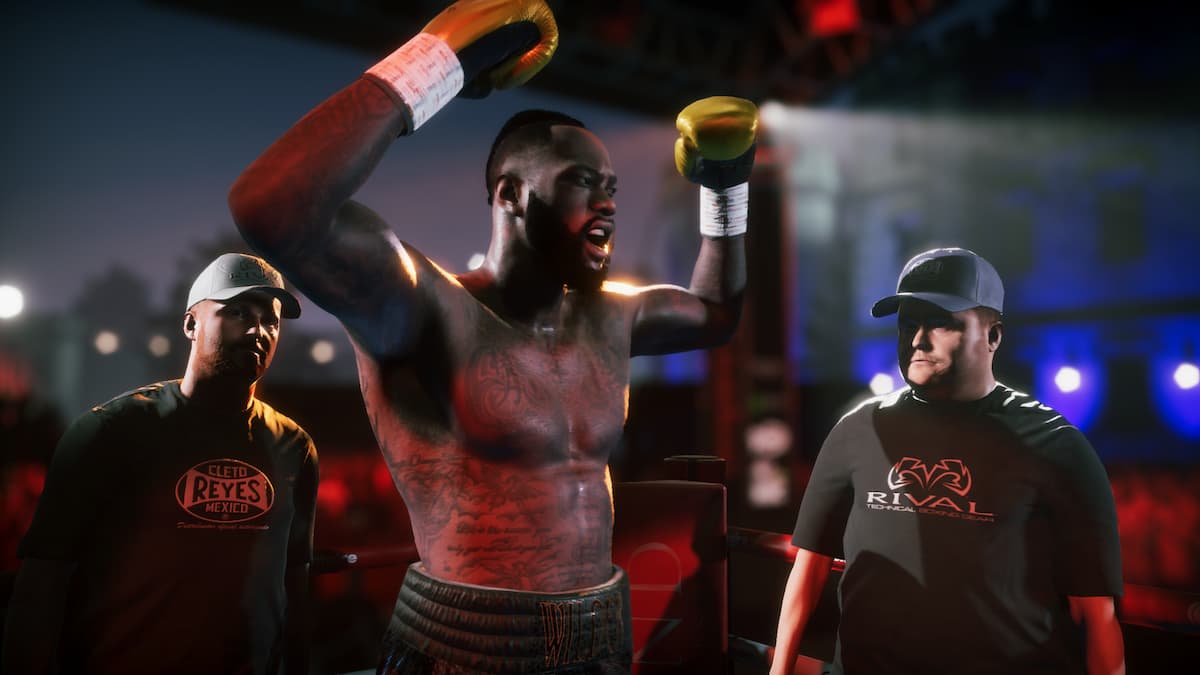
The tension between different player groups peaked when Steel City released the game on consoles. Habib reported that the boxer Deontay Wilder became overpowered due to excessively strong overhand punches. To fix this, the studio “nerfed” the character’s power.
This technical adjustment triggered a severe backlash. While some customers demanded the fix, others reacted with hostility. Habib told Insider Gaming he received personal death threats from players who believed the developers had “ruined” the game. This contrast highlights the impossible position developers face when balancing competitive gameplay.
The Conflict of Expectations
The situation created a paradox for Steel City. On one side, they had angry customers demanding a solution to an overpowered character. On the other, they had players who viewed any change to a powerful build as a betrayal of the game’s quality. This cycle proved that satisfying one group often guarantees the dissatisfaction of another.
What is the “FromSoftware” model of game development?
To prevent future instability, Steel City is adopting a philosophy similar to that of FromSoftware, the creators of Dark Souls. Habib suggested that FromSoftware likely encountered playtesters who found their games too difficult, but the developers chose to maintain their vision regardless.

“Jammer dan, dit is de game die wij maken” (Too bad, this is the game we make), is the mindset Habib believes FromSoftware employs. According to the Insider Gaming interview, Steel City intends to apply this same rigor to future installments in their series.
By prioritizing a fixed vision over reactive patching, the studio aims to create a more cohesive experience. This means the development team will no longer deviate from their core design goals simply to appease community requests.
Comparing Reactive vs. Vision-Led Design
The shift at Steel City represents a broader tension in the gaming industry between two development styles:
- Reactive Design: Focuses on rapid iteration based on user data and community forums. While it can fix bugs quickly, it risks “design by committee” and can alienate the core audience.
- Vision-Led Design: Prioritizes the creator’s intent. As seen with FromSoftware, this can lead to cult classics and high critical acclaim, though it risks initial rejection from players who find the experience too challenging or unconventional.
Habib’s experience suggests that for Steel City, the reactive approach led to personal threats and a fractured community, making the vision-led model a more sustainable path for the studio’s mental health and creative integrity.
Frequently Asked Questions
Why did the developer receive death threats?
According to Habib, the threats followed a “nerf” to the character Deontay Wilder, which some players felt ruined the game’s balance.
What is a “nerf” in gaming?
A nerf is a change made by developers to reduce the power or effectiveness of a specific character, weapon, or ability to ensure fair gameplay.
How will future Steel City games be different?
The studio plans to follow a vision-driven approach, meaning they will stick to their original design goals rather than changing the game to suit specific community requests.
Do you think developers should listen to their community, or stick to their original vision? Let us know in the comments below or subscribe to our newsletter for more industry insights.