

Stephen Colbert went on local access TV. Then CBS sent copyright claims
The recent dust-up between CBS and fans over Stephen Colbert’s surprise return to Michigan public access television highlights a growing friction in the digital age: the battle between legacy media control and the viral nature of internet fandom. When the network issued copyright strikes against YouTube channels sharing the Only in Monroe broadcast, they inadvertently ignited a firestorm that forced a swift, public retreat.
The Decentralization of Content: Why Networks Are Losing Their Grip
In the past, television networks held a monopoly on their intellectual property. If you wanted to see a clip, you watched it on their terms. Today, that model is effectively dead. Colbert’s move—returning to his roots at a small-town station while leveraging the massive reach of global social media—is a masterclass in modern content strategy.

However, legacy media’s knee-jerk reaction to use automated copyright enforcement tools often ignores the “social currency” that viral clips generate. When fans share, remix, and discuss content, they are providing free marketing that traditional ad spends cannot replicate. The shift we are seeing is a move toward collaborative distribution, where studios must decide whether to act as gatekeepers or partners with their own fan communities.
Copyright Automation vs. Human Nuance
The CBS situation underscores a fundamental flaw in current digital rights management (DRM) systems: they lack context. Automated bots cannot distinguish between a malicious pirate and a fan celebrating a beloved host’s career milestone. As AI becomes more sophisticated, we can expect a pivot toward “context-aware” enforcement.
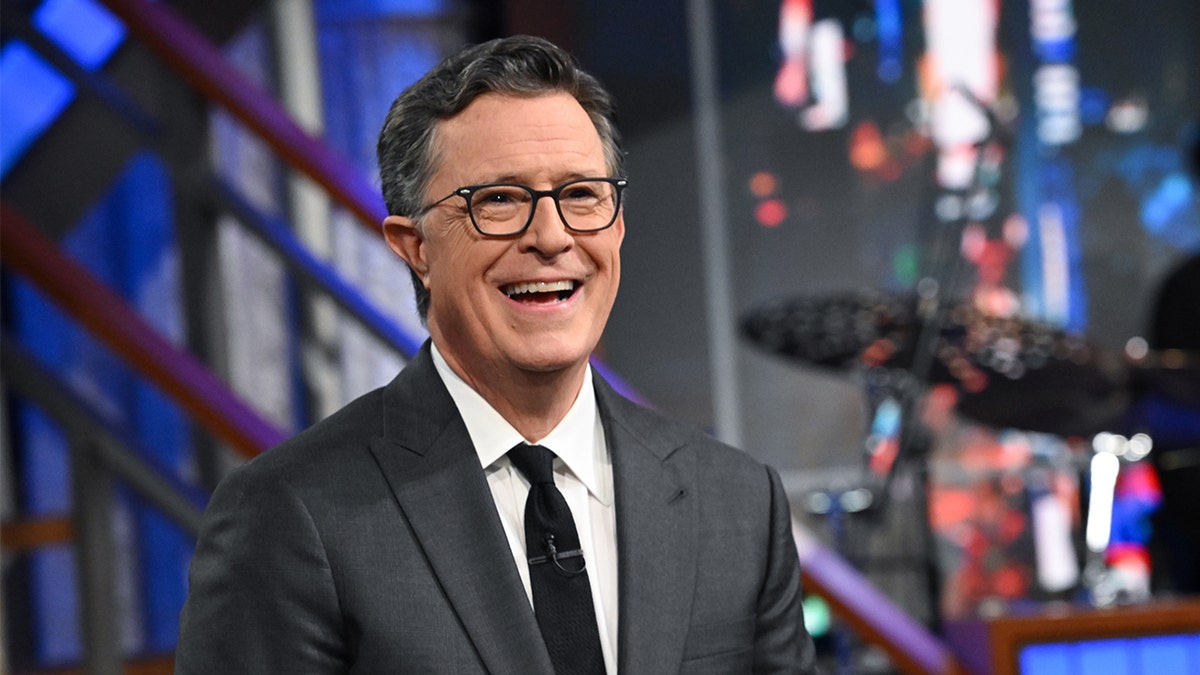
Industry experts predict that companies will soon adopt tiered copyright systems. Instead of an immediate takedown, systems will likely offer automated options to:
- Monetize: Allow the video to stay up while redirecting ad revenue to the rights holder.
- Attribute: Require a link back to the official source in exchange for hosting rights.
- Promote: Flag high-quality fan content for potential partnership or official social media amplification.
The Future of Local Access in a Globalized Market
Colbert’s decision to return to Only in Monroe proves that “hyper-local” content has massive global appeal. By bypassing the polish of a high-budget studio, he created a sense of authenticity that is increasingly rare in late-night television. We are seeing a trend where audiences are craving the “unscripted” and the “unpolished.”
Frequently Asked Questions (FAQ)
Q: Why do networks send copyright strikes for content that seems like free promotion?
A: Networks are often legally obligated to protect their intellectual property (IP) to maintain their exclusive rights. If they don’t enforce their copyright, they risk losing control over their assets in future licensing deals.
Q: Is public access TV still relevant in the streaming era?
A: Absolutely. As seen with Colbert’s stunt, local stations offer a unique, community-focused stage that creates a “cult-classic” appeal, which is often more shareable than traditional network programming.
Q: How can creators avoid copyright strikes on social media?
A: The best approach is to focus on “transformative” content. By adding commentary, reaction, or creative editing, you move your work closer to the legal definition of “Fair Use,” though What we have is never a absolute guarantee.
The Path Forward: A New Era of Engagement
As we move further into the decade, the line between “talent” and “distributor” will continue to blur. Stars like Stephen Colbert are no longer just employees of a network; they are their own media entities. The networks that win will be the ones that stop fighting the current of viral sharing and start building the infrastructure to support it.
What do you think? Should networks allow more freedom for fan-shared content, or is strict protection necessary to keep the industry sustainable? Let us know your thoughts in the comments below, or subscribe to our weekly newsletter for deep dives into the future of digital media.