
Stolen Futures: Afghan Girls Forced into Marriage as Education Ban Continues
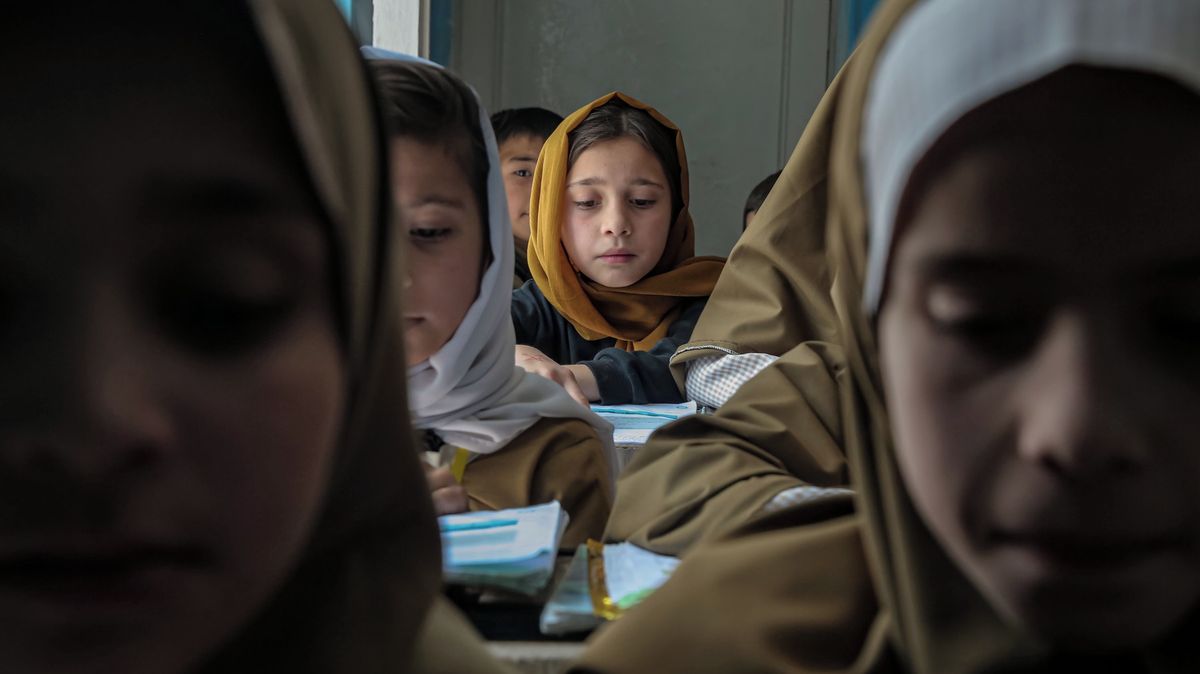
The prohibition on girls’ education beyond the sixth grade in Afghanistan has triggered a profound shift in the country’s social fabric. Beyond the immediate loss of formal schooling, the restriction has effectively removed one of the few remaining buffers against early marriage and economic dependency, leaving young women with limited agency over their personal futures.
The Struggle for Continuity
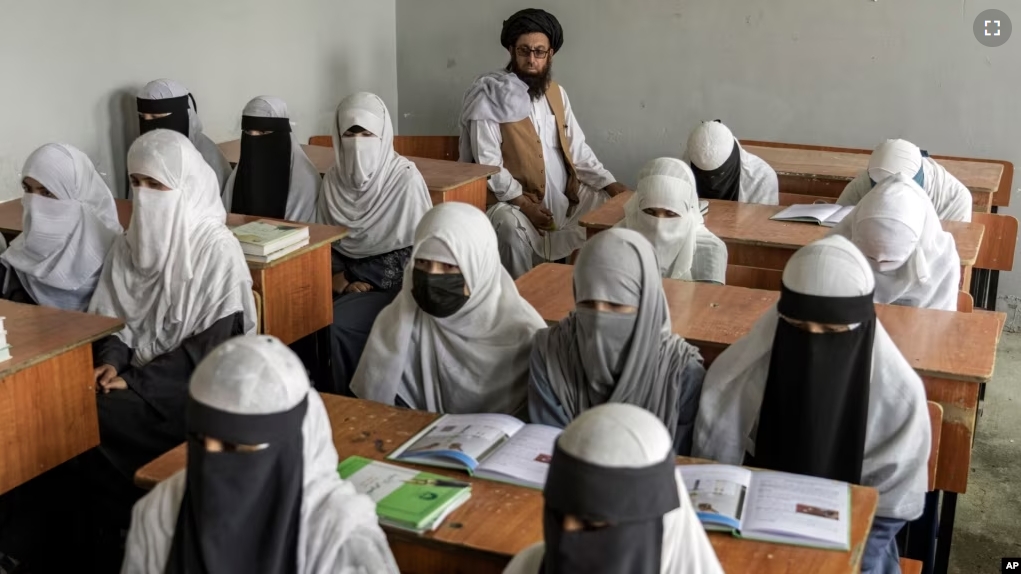
For many young women, the pursuit of education has become a clandestine and high-risk endeavor. Students like 19-year-old Ália have resorted to traveling long distances under the cover of excuses to attend private English courses, despite regulations requiring women to travel with male relatives. These private, specialized courses and religious madrasas remain among the few, albeit narrow, channels for post-primary education.
Technological and Legal Barriers
While some students attempt to bypass physical restrictions through online learning, they face severe infrastructure challenges. Chronic power outages, slow internet speeds, and the high cost of technology in a country where 97 percent of the population lives in poverty make digital education precarious. Recent government-imposed restrictions on internet access, including the banning of fiber-optic services in parts of northern Afghanistan, have further hampered these efforts.
Compounding these difficulties is a shifting legal landscape. Recent legislative changes regarding divorce, which limit a woman’s ability to end a marriage without her husband’s consent, have left many trapped in potentially abusive situations. Reports from the Afghan Center for Human Rights indicate that victims of child marriage frequently face domestic violence and severe psychological distress, with little recourse under current regulations.
Future Implications
Looking ahead, the situation for Afghan women remains uncertain. Analysts expect that if the current ban on education continues until 2030, as suggested by some projections, more than two million girls will be deprived of education beyond the primary level. This could lead to a further decline in female literacy rates, which are already among the lowest globally. As social pressure for early marriage intensifies, it is likely that more families will view the marriage of their daughters as a necessary shield against social scrutiny or economic hardship, regardless of their personal desires for their children’s education.
Frequently Asked Questions
Why are online education efforts failing for many Afghan girls?
Online education is hindered by extreme technical difficulties, including frequent power outages, slow internet speeds, high costs for equipment, and government-imposed internet shutdowns or restrictions on fiber-optic services.

What is the impact of the new divorce law?
The law limits a woman’s ability to initiate a divorce. Under these rules, women cannot seek a divorce if the husband does not approve, with exceptions only for the husband’s long-term absence or failure to provide financial support.
How common are child marriages in the current climate?
While official statistics are unavailable, activists report that the number of child and forced marriages is rising at an alarming rate. Estimates suggest that approximately 70 percent of girls are forced into marriage, with 66 percent of those cases involving girls under the age of 18.
How might the global community best support the educational aspirations of young women living under such restrictive conditions?