
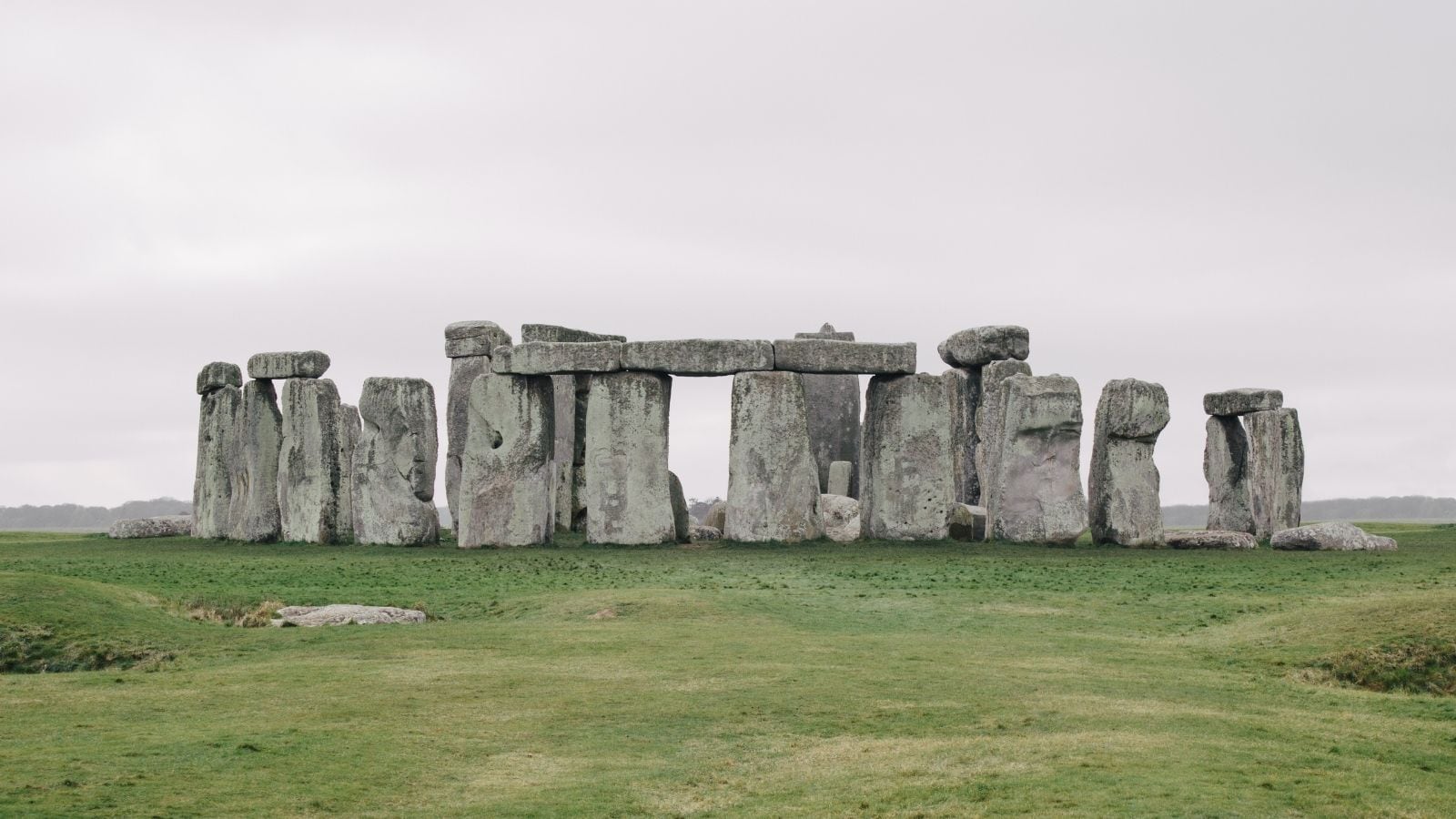
Stonehenge mystery may be closer to being solved as scientists trace Altar Stone’s epic journey | Technology News
The New Era of ‘Hybrid Archaeology’: How Science is Rewriting Human History
For decades, we viewed the construction of ancient monuments like Stonehenge as a riddle of brute force—thousands of people pulling ropes and pushing logs. But the recent discovery regarding the Altar Stone, which suggests a combined effort of glacial movement and Neolithic logistics, signals a massive shift in how we study the past.
We are entering the age of “Hybrid Archaeology.” This isn’t just about digging holes in the ground; it’s the convergence of glaciology, geochemistry, and underwater mapping. By blending these disciplines, researchers are uncovering a version of human history that is far more sophisticated, mobile, and connected than we ever imagined.
Unlocking the Secrets of Submerged Landscapes
The revelation that the Altar Stone likely rested in Doggerland before human intervention highlights a growing trend: the pivot toward underwater archaeology. As sea levels rise today, scientists are looking backward to understand how rising tides erased entire civilizations in the past.
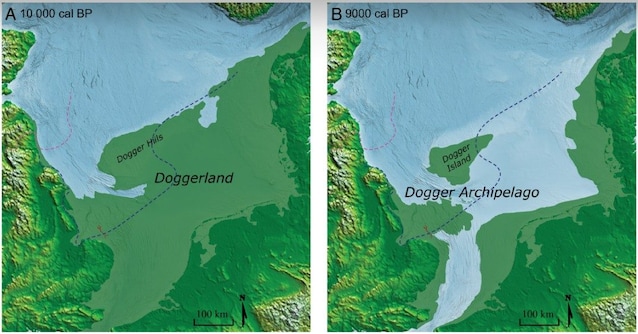
Future trends suggest a surge in the use of high-resolution seismic reflection profiling and autonomous underwater vehicles (AUVs). These tools allow us to “see” through the seabed, identifying ancient riverbeds and campsites without ever touching the ocean floor.
For instance, recent projects in the North Sea have already uncovered mammoth tusks and prehistoric tools, suggesting that Doggerland wasn’t just a transit point, but a thriving hub of Neolithic culture. The Altar Stone may have been a sacred object for generations of “Doggerlanders” long before it ever reached Salisbury Plain.
Rethinking ‘Primitive’ Logistics: The Neolithic CEO
The movement of a six-tonne slab over hundreds of kilometers isn’t just a feat of strength; it’s a feat of management. This discovery forces us to reconsider the organizational capabilities of Neolithic communities.
We are moving away from the image of the “primitive caveman” and toward a model of the “Neolithic Engineer.” The ability to coordinate transport across coastal routes and rivers suggests a level of social stratification and long-term planning—perhaps spanning multiple generations—that we previously attributed only to later civilizations like the Egyptians or Mayans.
Industry experts suggest that future studies will focus on social network analysis (SNA) to map how these ancient communities communicated. If the stone was passed down through generations, it implies a shared cultural memory and a “sacred geography” that spanned the entire British Isles.
The Role of AI and Digital Twins in Heritage Science
As we uncover more about the Altar Stone’s journey, the way we preserve and experience this data is changing. The next frontier is the creation of Digital Twins—hyper-accurate 3D virtual replicas of ancient landscapes.
Imagine a VR experience where you can track the Altar Stone’s journey in real-time, from the Orcadian Basin, through the ice sheets of the last glacial period, across the plains of Doggerland, and finally into the center of Stonehenge. This isn’t science fiction; it’s the direction UNESCO and global heritage sites are moving toward to increase engagement, and education.
AI is also being used to predict where other “lost” stones or settlements might be located by analysing soil composition and ancient weather patterns, reducing the need for invasive digging and protecting the environment.
Frequently Asked Questions
How did glaciers move a six-tonne stone?
During the last Ice Age, massive ice sheets acted like conveyor belts, freezing boulders into the ice and carrying them hundreds of miles as the glaciers flowed southward.
What exactly was Doggerland?
Doggerland was a prehistoric landmass in the North Sea that connected Great Britain to Denmark and mainland Europe. It was flooded by rising sea levels roughly 6,500 to 8,000 years ago.
Why does the Altar Stone’s origin matter?
It proves that Neolithic people had a much wider geographical reach and a more complex social organization than previously thought, as they managed to transport a massive object over vast distances.
The story of the Altar Stone is a reminder that history is never “settled.” Every new piece of technology—whether it’s a glacier model or a deep-sea sonar—rips open a new chapter of the human story. As we continue to blend geology with history, we may find that our ancestors were far more like us than we dare to imagine: ambitious, organized, and driven by a deep sense of wonder.
What do you think? Was the Altar Stone moved for religious reasons, or was it a display of political power? Let us know your theories in the comments below, or subscribe to our newsletter for more deep dives into the mysteries of the ancient world!