

Structuring Executive Loan Programs for Equity Incentives and Tax Compliance
Executive loan programs are emerging as a critical strategic tool in today’s competitive talent market. As companies navigate slower economic conditions and extended timelines for liquidity events, these programs offer a mechanism to align management interests with corporate success while providing executives the necessary capital to participate in equity incentive plans.
However, the complexity of these arrangements requires precise execution. If not meticulously structured and administered, these loans risk being recharacterized by the Internal Revenue Service as disguised compensation, potentially triggering significant tax liabilities for the executive.
Defining the Mechanics of Executive Loans
At its core, an executive loan programme provides the cash required for an individual to purchase restricted share awards or to exercise stock options. This process is typically documented through a promissory note executed concurrently with a stock purchase agreement. To protect the company, these agreements often include repurchase mechanics, allowing the firm to reclaim shares should the executive’s employment terminate.
The Critical Standard for “Bona Fide” Status
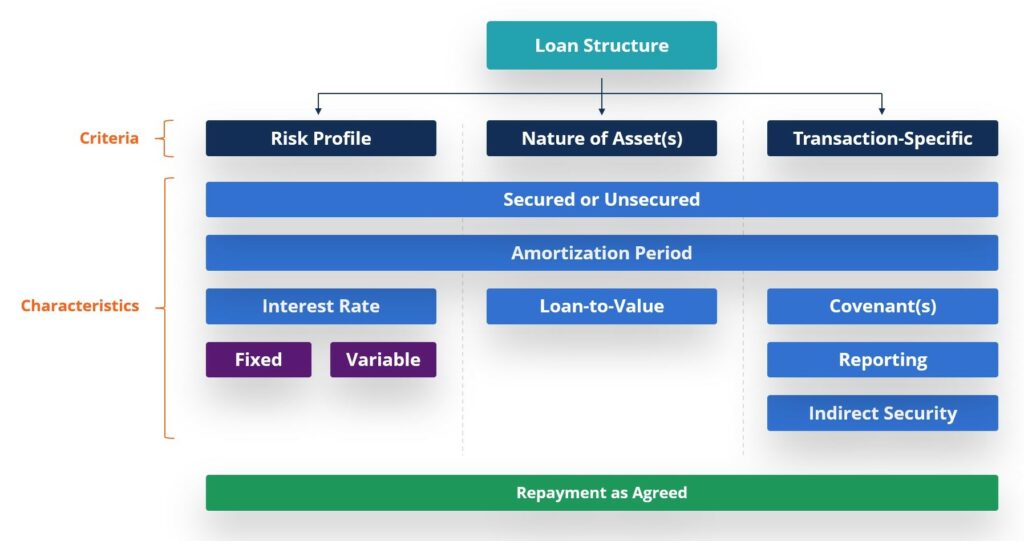
To withstand scrutiny, a loan must be treated as a genuine debt obligation. This requires charging interest at no less than the IRS applicable federal rate (AFR), compounded semi-annually. The loan must have a specified term—commonly seven to nine years—and include a clear maturity date.
Companies must also ensure that these loans remain personally recourse to the executive. A common industry approach involves securing the loan with the purchased shares while requiring the executive to maintain at least 50% personal liability for the debt. Documentation should mandate immediate repayment upon specific triggers, such as a change in control or the end of employment, though companies must remain mindful of regional employment laws that may restrict such acceleration.
Future Implications and Tax Considerations
Looking ahead, companies may find that these programs remain essential as long as talent competition remains fierce and liquidity timelines remain extended. A possible next step for firms considering these programs is a thorough review of their internal collection and enforcement procedures. Without a rigorous, consistent practice of collecting principal and interest, the structural integrity of the loan could be compromised.
The timing of the loan in relation to the option grant is also vital. If a loan is used to exercise options that have already appreciated in value, the exercise itself will trigger a taxable event. Executives may consider filing an 83(b) election for unvested shares to lock in current valuations, potentially mitigating the impact of future share price increases on their tax bill.
Frequently Asked Questions
What happens if an executive loan is not structured correctly?
If a loan is not structured as a “bona fide loan,” the Internal Revenue Service may deem it disguised compensation, subjecting the loan amount to income tax and creating a heavy tax burden for the executive.
Why is loan forgiveness avoided in these agreements?
Loan forgiveness clauses indicate that the obligation to repay is not genuine. The absence of a real repayment obligation is a key factor that can lead regulators to determine the arrangement is not a bona fide loan.
How does an 83(b) election affect an executive’s taxes?
Filing an 83(b) election at the time of purchase allows an executive to be taxed on the value of restricted shares at that moment, rather than at the time of vesting. This can be beneficial if the share value is expected to increase before the vesting period ends.
How might your organization balance the need for executive retention with the rigorous compliance requirements of modern tax law?