
Students Discover 1,800-Year-Old Roman House Beneath Rome High School
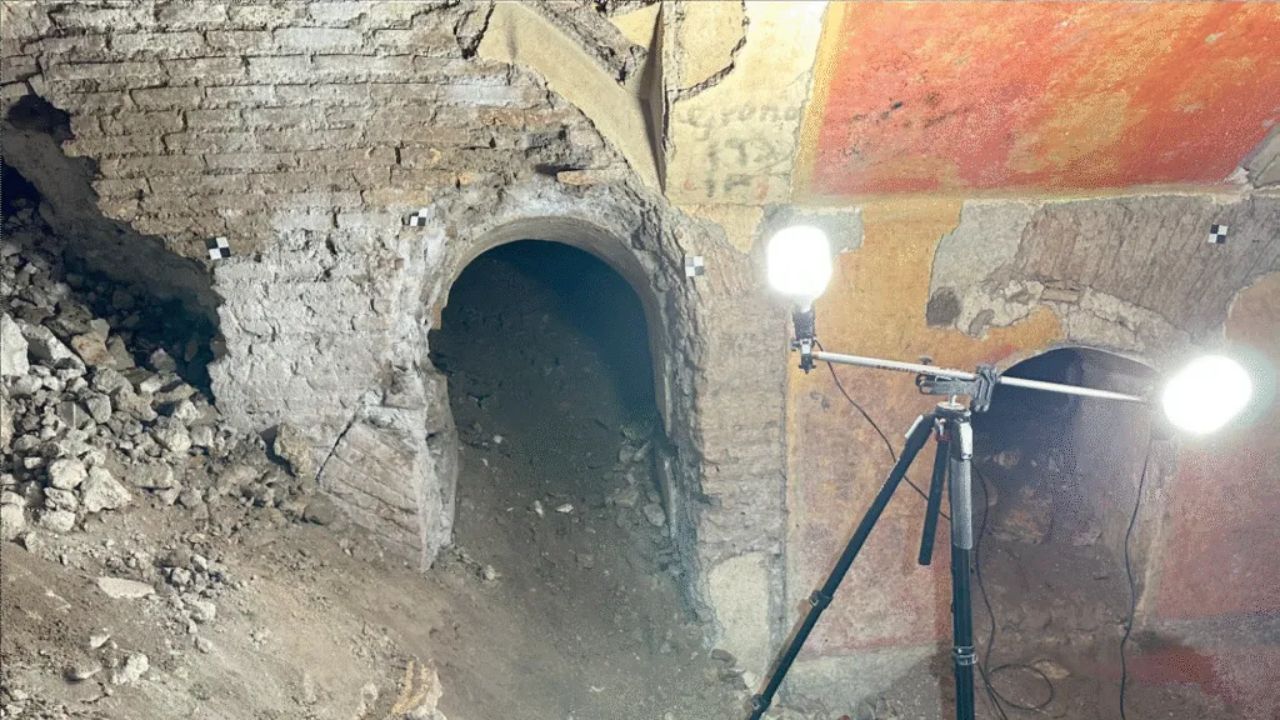
Students at Rome’s Liceo Scientifico Cavour discovered an 1,800-year-old luxury Roman house beneath their school’s gymnasium. Announced May 28 by Professor Claudia Marino and archaeologist Filippo Coarelli of the University of Perugia, the 2nd-century “Domus Liceo Cavour” likely belonged to the Umbrius family and features rare floral frescoes and mosaics.
How did students discover a Roman house under their school?
High school students noticed unusual bricks and arches while exploring dark corridors and areas beneath the gym floor. According to reports, students had spent years sharing myths about mysterious structures hidden in the school’s foundation before they decided to notify their teachers about the physical evidence.

The school’s current structure was built by Catholic missionaries during the 19th century. At the time of the property transfer, no Roman ruins were recorded on the site. This oversight meant the luxury home remained hidden for centuries until the students’ clandestine explorations led to official archaeological validation.
Why is the Domus Liceo Cavour historically important?
The house is located in a high-status district of ancient Rome, which suggests the original owners were part of the city’s elite. Archaeologists believe the home belonged to the Umbrius family, who likely originated from Italy’s center-south region.

Because of the neighborhood’s prestige, Filippo Coarelli and other researchers suggest the site may have been visited by major historical figures. Potential visitors could have included Cicero, Pompey, or Octavian, who later became Emperor Augustus Caesar.
The find highlights a contrast in urban development: a 19th-century missionary building sitting directly atop a 2nd-century luxury estate. This layering makes the ruins difficult to access but provides a vertical timeline of Rome’s architectural evolution.
What architectural details were found inside the ruins?
Live Science reports that the Domus contained figurative and floral frescoes adorning the walls along the ceiling vaults. The floors feature a mosaic made of large, irregularly shaped tiles, a style indicative of luxury homes from that era.
However, the site also shows signs of modern intrusion. Archaeologists found 20th-century graffiti left by tourists and other underground explorers. This suggests the ruins were known to a small number of unauthorized visitors long before the students reported them to the faculty.
How will this discovery change urban archaeology in schools?
The Liceo Scientifico Cavour plans to integrate the ruins into its educational model. Instead of sealing the site, the school intends to continue research and organize exhibitions where students serve as tour guides for visitors.
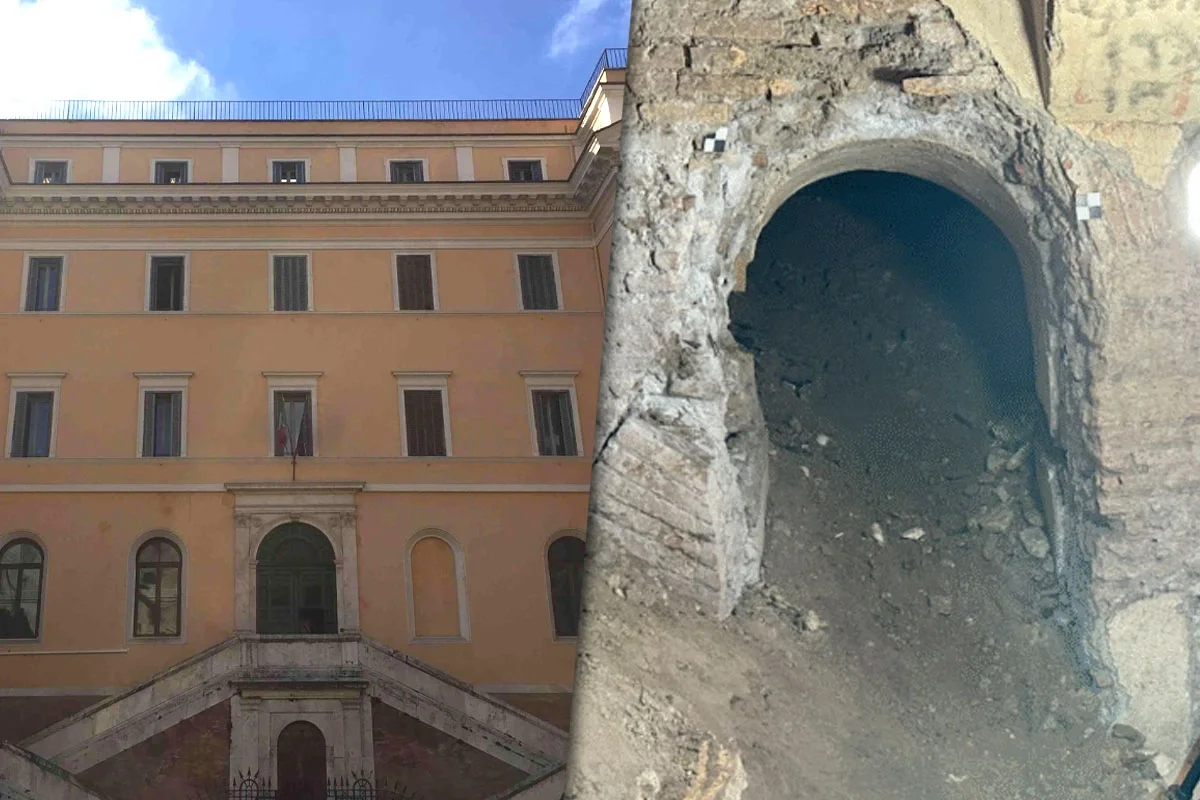
This shift toward “living laboratories” suggests a trend where urban archaeology isn’t just for museums. By turning a school gym into a historical site, the institution is moving toward a model of immersive history. This approach encourages students to engage with primary sources—actual Roman bricks and mortar—rather than relying solely on textbooks.
The presence of 20th-century graffiti also warns authorities that many undiscovered buildings likely exist beneath Rome, hidden from official records but known to clandestine explorers. This may prompt more systematic surveys of older public buildings across the city.
Frequently Asked Questions
Who owned the Roman house found under the school?
According to researchers, the house likely belonged to the Umbrius family, who probably came from the center-south region of Italy.
What was found inside the Domus Liceo Cavour?
Archaeologists discovered floral and figurative frescoes, luxury irregular tile mosaics, and 20th-century graffiti.
When was the discovery announced?
Professor Claudia Marino and archaeologist Filippo Coarelli announced the find on May 28.
For more on how ancient ruins are uncovered in modern cities, check out our guide on urban archaeology trends or visit the Live Science archives for similar archaeological breakthroughs.