
Study Links Certain Fruits and Vegetables to Higher Pesticide Exposure
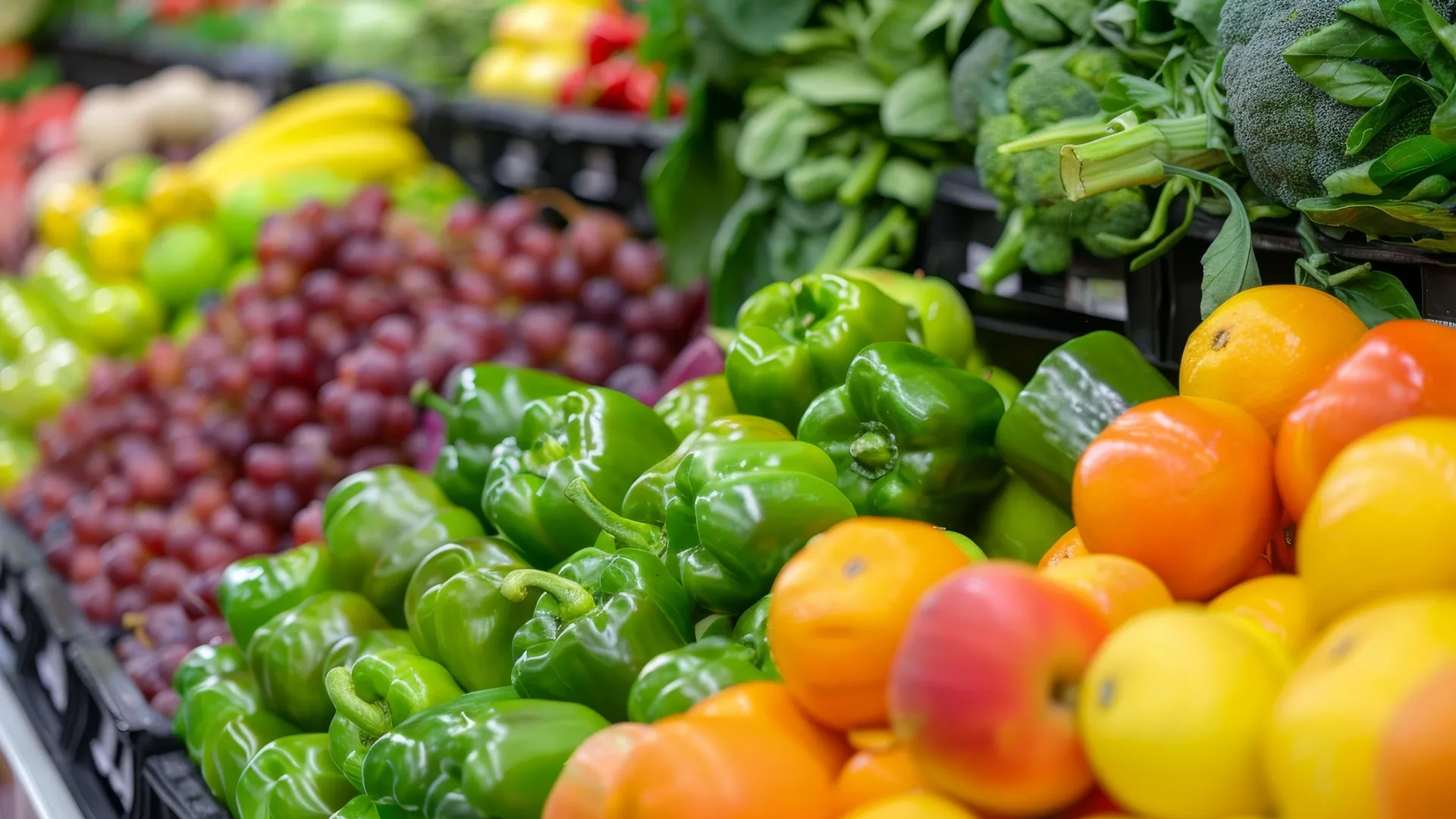
A peer-reviewed study by the Environmental Working Group (EWG) found that consuming certain produce, such as strawberries, spinach, and bell peppers, is linked to higher pesticide levels in human urine. Published in the International Journal of Hygiene and Environmental Health, the research suggests dietary choices are a key driver of pesticide exposure for millions of Americans.
How do certain fruits and vegetables increase pesticide levels in the body?
People who eat larger amounts of produce known for higher pesticide residues showed significantly higher pesticide levels in their urine. This differs from those who primarily consume lower residue produce.
Alexis Temkin, Ph.D., vice president for science at EWG and lead author of the study, stated that what we eat directly affects the level of pesticides in our bodies. While eating produce is essential for health, it can also increase exposure to these chemicals.
Why is this pesticide exposure a health concern?
Pesticides have been associated with several serious health issues. These include cancer, reproductive problems, hormone interference, and nervous system harm in children.
According to Temkin, young children and pregnant people are particularly susceptible to these harms. The study’s results lay the groundwork for future research into how long-term dietary exposure affects human health.
How was the pesticide exposure measured?
Researchers combined USDA pesticide residue data from 2013-2018 with dietary surveys and urine biomonitoring from 1,837 participants. These participants were part of the CDC’s National Health and Nutrition Examination Survey (NHANES) between 2015 and 2016.
The team created a “dietary pesticide exposure score.” This score estimated exposure based on the types of produce eaten, how frequently pesticides were found, the amounts detected, and the relative toxicity of the chemicals.
Scientists then compared these scores with 15 pesticide biomarkers in urine. These biomarkers covered three categories: organophosphates, pyrethroids, and neonicotinoids.
What gaps exist in current pesticide monitoring and regulations?
The study suggests that current EPA safety standards may not fully protect public health. This is because the EPA typically sets limits for individual pesticides rather than accounting for cumulative exposure to multiple residues found together on produce.
Monitoring gaps also remain. NHANES only tracks a portion of the pesticides examined in this research, which may mean broader monitoring is needed to capture total agricultural chemical exposure.
Interestingly, potatoes complicated the data. The link between produce intake and pesticide levels only became clear after potatoes were removed from the dataset, as they’re consumed in many different forms.
What can consumers do to reduce their exposure?
EWG encourages a diet rich in fruits and vegetables, whether they’re conventional or organic. However, switching to organic options—which aren’t grown with certain synthetic pesticides—can significantly lower pesticide biomarkers in the body within a few days.
Consumers can use the EWG Shopper’s Guide to Pesticides in Produce. This guide lists the “Dirty Dozen” (highest residues) and the “Clean Fifteen” (lowest residues) to help prioritize organic purchases.
What happens next?
The researchers suggest their exposure scoring method could help scientists and regulators better evaluate real-world dietary exposure. This may lead to improved protections for pregnant people and children.

Further research is likely to be needed to understand how potato consumption specifically affects overall exposure. Additionally, policymakers may face pressure to prioritize strong public health agencies to maintain the scale of federal data collection.
Frequently Asked Questions
Which fruits and vegetables are linked to higher pesticide levels?
The study specifically mentions strawberries, spinach, and bell peppers as produce known to carry higher pesticide residues.
Who is most at risk from pesticide exposure?
According to the study’s lead author, Alexis Temkin, Ph.D., young children and pregnant people are particularly susceptible to the harms of exposure.
Can switching to organic produce make a difference?
Yes. Research shows that switching from conventional to organic produce can significantly lower pesticide biomarkers in the body within just a few days.
Do you prioritize organic options for specific fruits and vegetables in your grocery cart?