
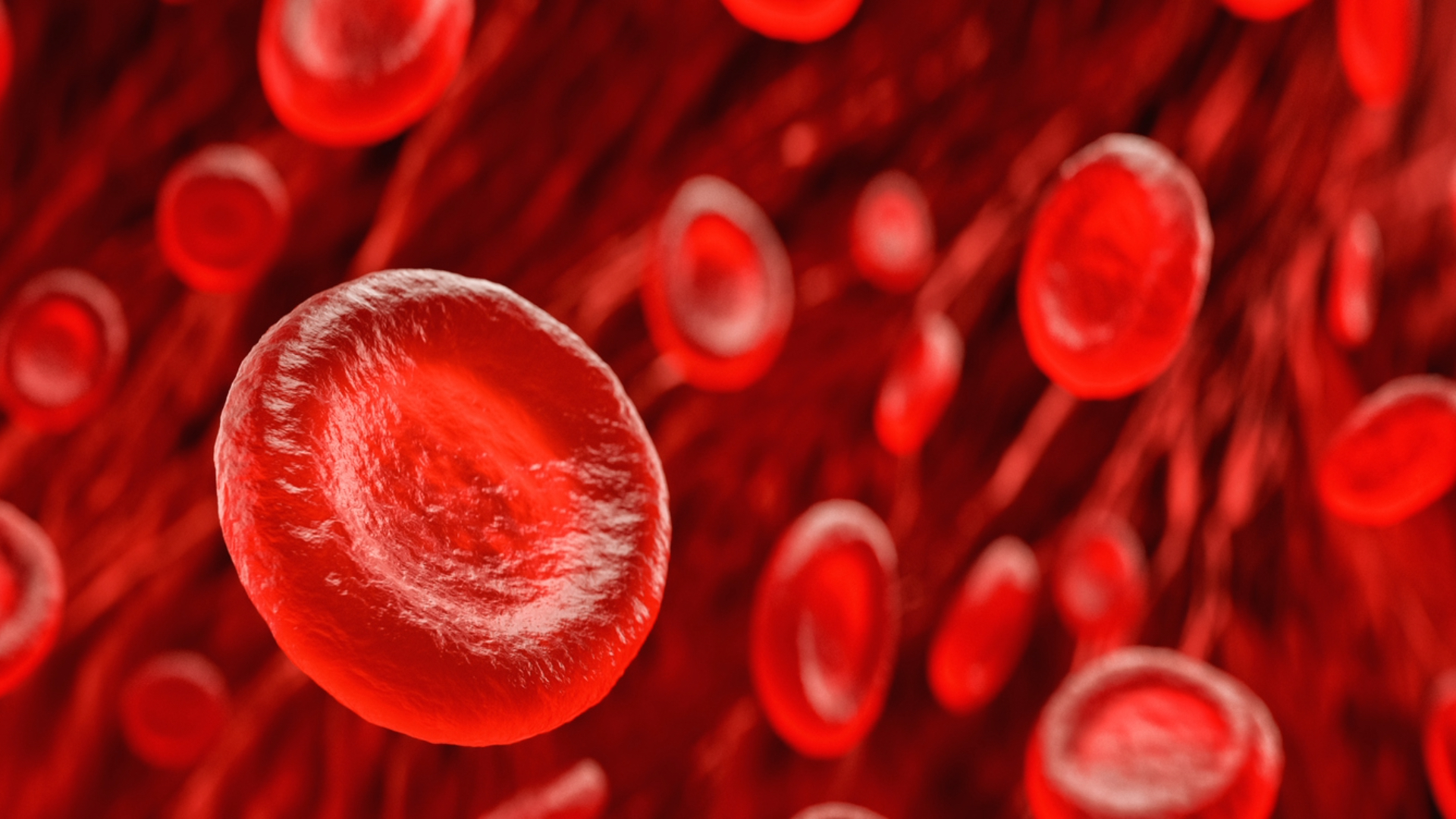
Study reveals the evolution of the most ancient human blood cell
The Future of Healing: Rewriting the Genetic Rulebook
We often think of our bodies as biological machines, but recent breakthroughs from Kyoto University suggest we are more like walking, breathing libraries of ancient history. By mapping the 700-million-year evolution of blood cells, scientists have unlocked a “genetic blueprint” that explains how our immune systems function today.
This isn’t just an academic exercise for evolutionary biologists. By understanding that our blood cell development mirrors the transition from single-celled organisms to complex animals, researchers are opening doors to a new frontier: Evolutionary Medicine.
Tracing Cancer Through an Evolutionary Lens
The ability to trace the lineage of cells—from primitive macrophages to specialized T cells—provides a revolutionary framework for studying disease. If we know the “developmental path” a healthy cell takes, we can more easily identify when that path goes wrong.
In the near future, this could fundamentally change how we approach oncology. By comparing the genetic profiles of cancerous cells against their healthy, evolutionary counterparts, researchers aim to:
- Predict Cellular Malfunction: Identify early-stage mutations before they manifest as aggressive tumors.
- Improve Immunotherapy: Tailor T-cell therapies by understanding the ancient “programming” that governs how these cells identify and attack pathogens.
- Regenerative Medicine: Use these developmental maps to guide iPS cell research, making it easier to grow healthy, functional blood cells in a lab environment.
Pro Tip: Why Macrophages Matter
Think of macrophages as the “Swiss Army knife” of your immune system. Because they are the closest living descendants of our ancient, single-celled ancestors, they remain our body’s primary scouts. Future treatments targeting these cells could be the key to managing chronic inflammatory diseases more effectively than ever before.
The Next Frontier: Synthetic Biology and Beyond
As we gain a deeper grasp of how blood cells “rewind the clock” during development, the potential for synthetic biology grows. If we can successfully replicate the environmental signals that triggered the first blood cells 700 million years ago, we might one day be able to “reprogram” immune cells to fight diseases that currently evade our defenses.
This research signals a shift from reactive medicine—treating symptoms as they appear—to a proactive, design-based approach. The DNA in your blood is a 700-million-year-old survival guide; we are finally learning how to read it.
Frequently Asked Questions
- How do blood cells mirror 700 million years of evolution?
- The process of hematopoiesis (blood cell formation) in modern embryos follows a hierarchy that matches the chronological order in which these cell types appeared in the evolutionary record.
- Why is the FOS gene important?
- The FOS gene is a critical genetic marker that links our modern blood cells to ancient, single-celled organisms, proving that the foundation of our immune system predates multicellular life.
- Can this research help cure cancer?
- Yes. By understanding the “normal” evolutionary pathway of cell development, scientists can better identify and correct the “errors” that cause cells to become cancerous.
Did you know?
Every time your bone marrow produces a new batch of blood cells, it is essentially re-enacting the same evolutionary sequence that occurred over hundreds of millions of years!

Want to stay updated on the latest breakthroughs in biotechnology and evolutionary science? Subscribe to our weekly newsletter for deep dives into the discoveries shaping our future, or explore our Science Archives for more on the mysteries of the human genome.