
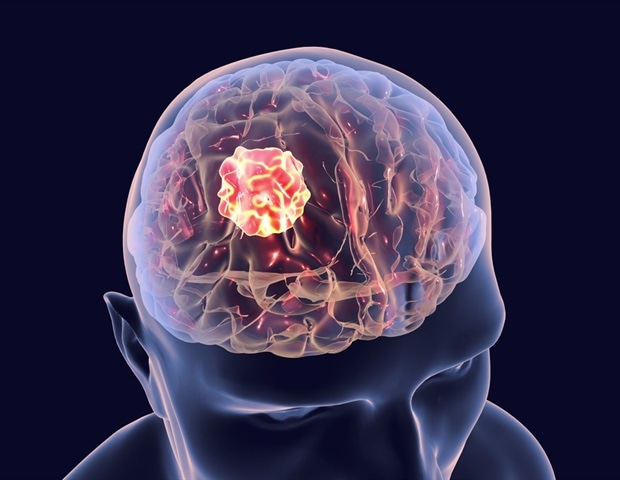
Study uncovers sex-specific immune pathway driving glioblastoma growth
Researchers at the University of Miami’s Miller School of Medicine have identified a sex-specific immune pathway that fuels glioblastoma growth in females. According to a study published in Nature Cancer, the neurotransmitter GABA boosts cancer-protecting immune cells in female laboratory models, while blocking this signal improved outcomes.
Defne Bayik, Ph.D., an assistant professor of molecular and cellular pharmacology, and Asmita Pathak, Ph.D., led the research at the Sylvester Comprehensive Cancer Center. They found that GABA specifically affects the cellular metabolism of granulocytic myeloid-derived suppressor cells (MDSCs) in females but not in males.
How does GABA affect glioblastoma in women?
The neurotransmitter GABA reprograms the metabolism of granulocytic MDSCs, making these immune cells more immunosuppressive. In the study, these cells protected cancerous cells from the rest of the immune system, allowing tumors to grow unchecked.
Researchers found that blocking the GABA receptor in female laboratory models with glioblastoma improved their outcomes. This same intervention had no effect on male laboratory models with the cancer.
Why are immune cells different between sexes?
The study focused on MDSCs, which normally regulate the immune system and control inflammation. However, tumors often recruit these cells to suppress T cells and other immune activity.
Bayik previously observed that male laboratory models associated with the disease had higher levels of monocytic MDSCs. In contrast, granulocytic MDSCs played a more prominent role in females.
Human tumor biopsies confirmed these patterns. Biopsies from women showed higher levels of GABA and the GABA receptor in granulocytic MDSCs than those from men.
What could happen next for cancer treatment?
These findings suggest the possibility of developing sex-specific treatments for glioblastoma. Bayik is currently studying the basis for the difference in cellular metabolism between male and female laboratory models.
Further research into this mechanism may help scientists identify new drug targets. Because MDSCs are involved in various other types of cancer, drugs targeting these cells could potentially have applications beyond glioblastoma.
Frequently Asked Questions
What is the role of GABA in this study?
GABA is a brain signaling molecule and neurotransmitter that reprograms the metabolism of granulocytic MDSCs in females, making them more effective at protecting tumors from the immune system.
How do MDSCs contribute to tumor growth?
Myeloid-derived suppressor cells (MDSCs) suppress the activity of T cells and other immune cells, which allows cancerous cells to grow without being attacked by the immune system.
Did the findings apply to humans?
Yes. Researchers found that tumor biopsies from women had higher levels of GABA and the GABA receptor in granulocytic MDSCs compared to men, and GABA reprogrammed their metabolism similarly to the lab models.
Do you believe medical research should focus more on sex-specific biological differences?