
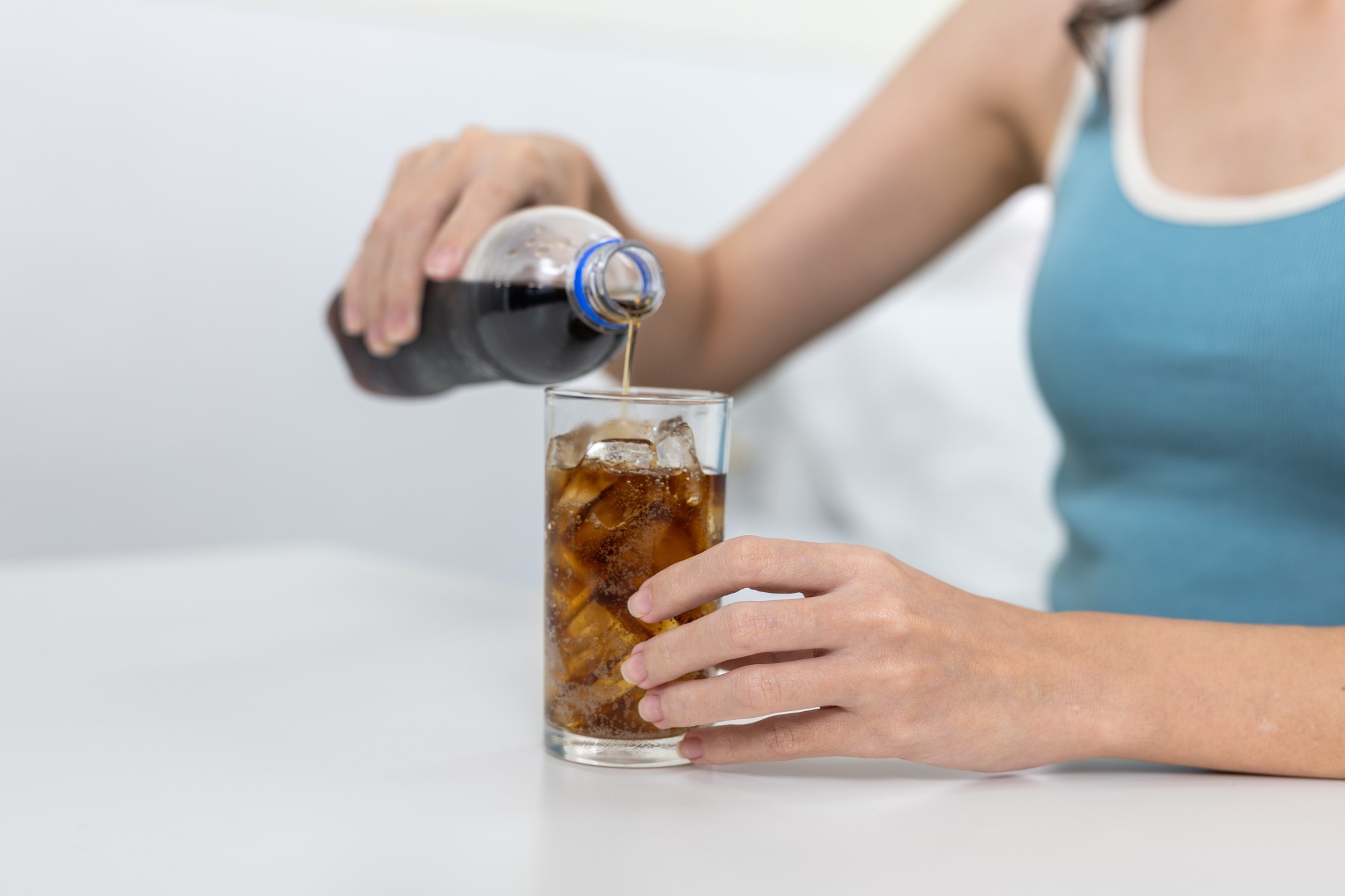
Sugary Drinks Linked to Increased Liver Cancer Risk: New Study
Daily consumption of sugar-sweetened beverages is associated with a higher risk of two types of liver cancer, according to a June 2026 analysis published in JAMA Network Open. The study of 1.5 million participants found that each daily serving increased the risk of hepatocellular carcinoma by 10% and intrahepatic cholangiocarcinoma by 15%.
How does sugar consumption increase liver cancer risk?
Cody Watling of the National Cancer Institute and Katherine McGlynn coordinated the analysis of 11 prospective studies. The researchers monitored participants for nearly 18 years, identifying 2,811 new liver cancer cases, including 1,699 hepatocellular carcinomas and 444 intrahepatic cholangiocarcinomas.
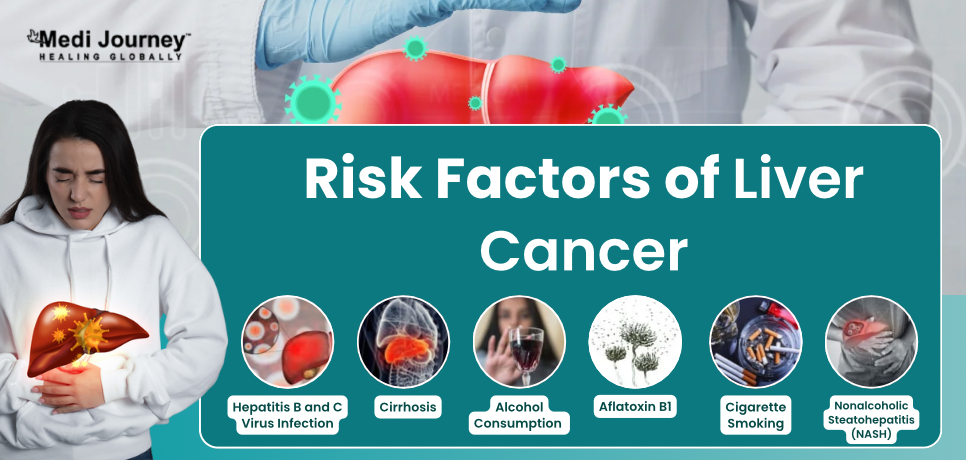
The risk increase applies to a standard serving of 330-350 ml of juice or other sugary drinks. This association remained present even after researchers accounted for obesity and diabetes.
Are artificial sweeteners a safer alternative?
The analysis found different results for drinks with artificial sweeteners. While a small risk increase appeared, it did not reach statistical significance for general liver cancer or its specific subtypes.
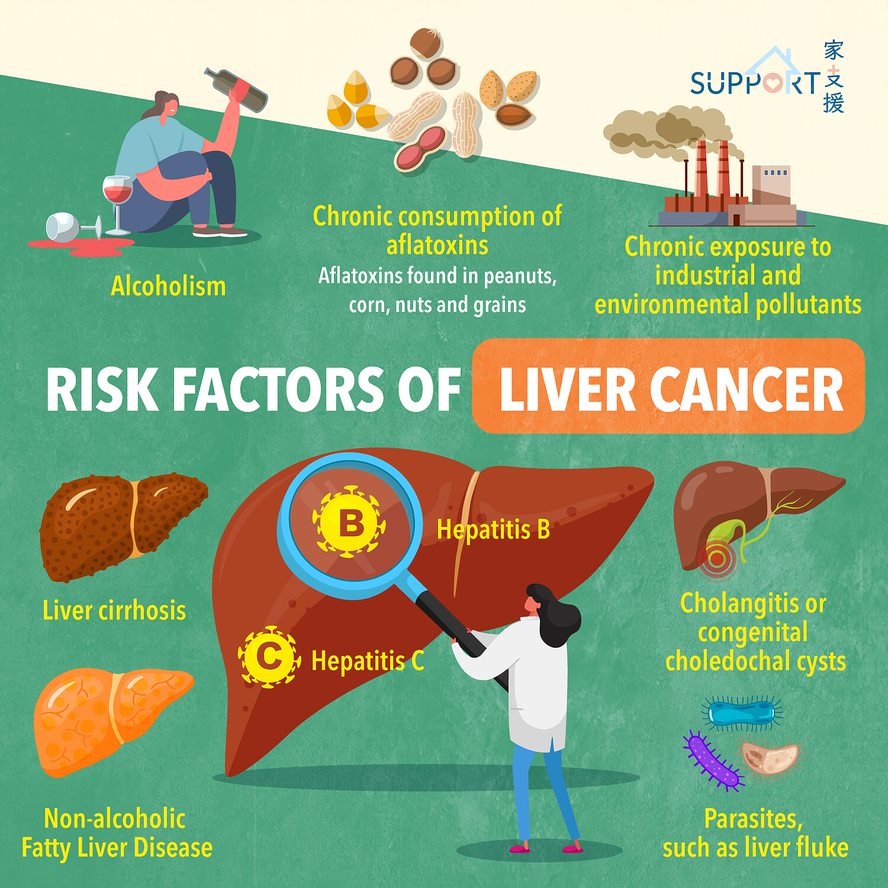
Watling and colleagues stated that evidence for an association between artificial sweeteners, including aspartame, and hepatocellular carcinoma is not convincingly supported by these analyses. However, the World Health Organization’s cancer agency classified aspartame as “possibly carcinogenic to humans” in July 2023.
Why is liquid sugar more harmful than whole fruit?
Daniel Clayton-Chubb and Andrew T. Chan of Harvard Medical School and Massachusetts General Hospital explain that the liver processes liquid fructose differently than glucose. Much of this fructose goes directly to the liver, where it can be converted into fat.
This process can lead to insulin resistance, inflammation, and hepatic steatosis, commonly known as “fatty liver.” Unlike whole fruits, which contain fibers that slow sugar absorption, sweetened beverages deliver concentrated sugar rapidly.
What is the impact on liver cancer rates in Romania and globally?
Romania currently has the highest incidence rate of liver cancer among women in the EU, according to the Country Profile on Cancer 2025. GLOBOCAN 2022 estimates for Romania show 3,682 new cases annually and 3,495 deaths.
While the National Institute of Statistics reported that average soft drink consumption in Romania dropped by 3.9 liters per capita in 2024, liver cancer remains the fourth leading cause of oncological death in the country. Globally, GLOBOCAN 2022 estimates 866,000 new cases and 759,000 deaths annually.
What may happen next?
If current rates do not decline, the International Agency for Research on Cancer (IARC) projects that annual liver cancer cases and deaths could increase by over 55% by 2040. Future research may be required to confirm the link between sugary drinks and the rarer intrahepatic cholangiocarcinoma, as that specific result was closer to the limit of statistical significance.
Frequently Asked Questions
How much does one sugary drink per day increase liver cancer risk?
According to the study, one daily serving (330-350 ml) is associated with an approximately 10% higher risk of hepatocellular carcinoma and a 15% higher risk of intrahepatic cholangiocarcinoma.
Did the study find a definitive link between aspartame and liver cancer?
No. The researchers stated that evidence for an association between artificial sweeteners and liver cancer is not convincingly supported by these analyses, though the WHO classified aspartame as “possibly carcinogenic” in 2023.
Can diabetes or obesity explain the increased risk?
The association between sugar-sweetened beverages and liver cancer persisted even after researchers adjusted for diabetes and obesity, suggesting the link may not be fully explained by these metabolic disorders.
Do you think clearer labeling on the liver health risks of liquid fructose would change your daily beverage choices?