
Summer Travel Warning: Expect Extreme Traffic and Road Closures Across Europe
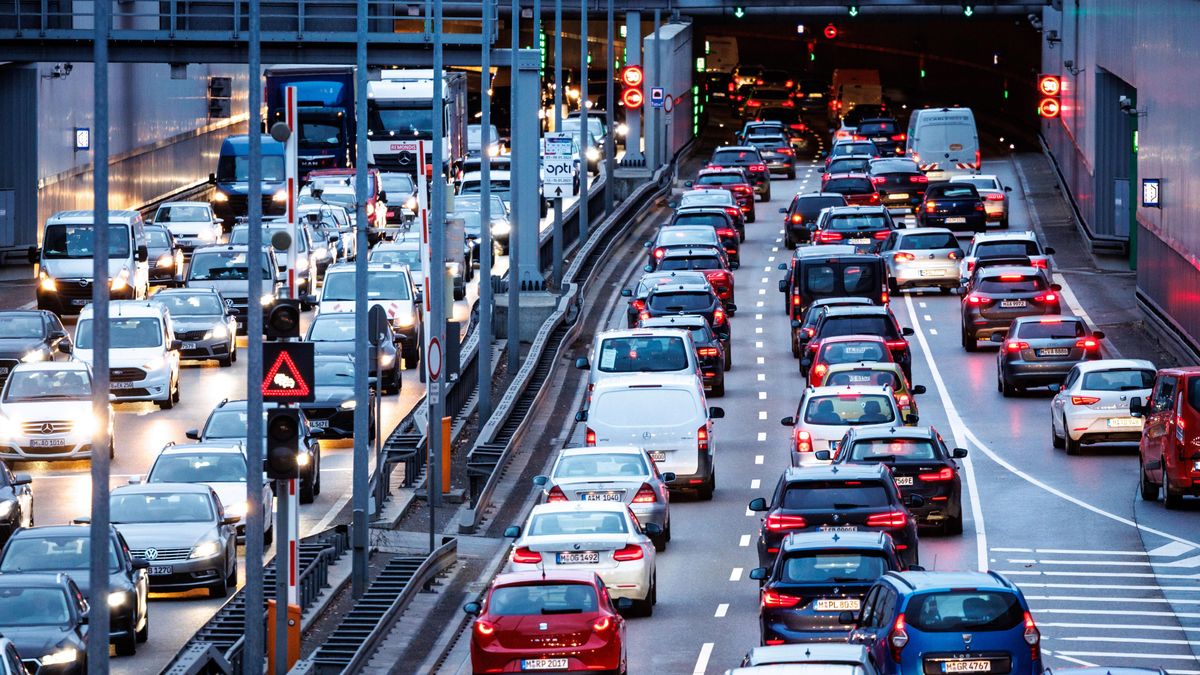
European summer travel faces unprecedented disruption this year as a convergence of localized demonstrations, critical infrastructure repairs, and synchronized school holiday schedules threatens to paralyze major transit arteries. According to data from Winiety24 and traffic monitoring reports, motorists traveling toward Italy and the Alps should anticipate severe congestion, with delays on primary routes potentially exceeding ten hours during peak weekends.
Why are European transit routes facing gridlock?
The primary driver of this summer’s traffic instability is the combination of scheduled maintenance on aging infrastructure and public protests. The B179 road, a vital link for travelers heading to Italy, faces intermittent shutdowns due to demonstrations against traffic volume and tunnel construction projects. While organizers indicate these closures may last only two hours, traffic experts cited by Winiety24 warn that the resulting ripple effect will likely create day-long gridlock.

The term “Black Saturday” (or Samedi Noir) is not merely a marketing term. It is an official classification used by organizations like France’s Bison Futé and the German ADAC to denote the highest level of traffic density, often resulting in cumulative national traffic jams exceeding 1,000 kilometers.
How do school holiday schedules impact road capacity?
Traffic volume is dictated by the synchronized start and end dates of school holidays across European regions. The most critical periods occur when the most populous German federal states, such as Bavaria and North Rhine-Westphalia, transition between holiday blocks. According to traffic analysts, the final weekend of July and the first weekend of August represent the highest risk for total highway paralysis, as millions of families embark on summer vacations simultaneously.
Key dates for expected traffic intensity
- July 18: High congestion expected on Austria’s A10 and Croatia’s A1 as family travel peaks.
- July 25: Critical conditions as Bavarian holidays begin, leading to a potential standstill on alpine routes.
- August 1: Extreme movement as July-to-August turnover coincides with returning travelers from North Rhine-Westphalia.
- August 29: Significant paralyses expected on routes toward Munich and Berlin as holidays conclude in multiple states.
Where are the most significant infrastructure bottlenecks?
Construction projects are compounding the effects of seasonal volume. The Brenner Pass (A13) remains a high-risk zone for travelers. Due to the poor technical condition of the Lueg Bridge, traffic will be restricted to a single lane in each direction on most Saturdays. These restrictions are expected to cause backups extending as far as Innsbruck.

Additionally, the Karavanky Tunnel (A11/E61) connecting Austria and Slovenia faces technical hurdles. According to regional transit reports, ongoing ventilation system testing will necessitate periodic nighttime closures and alternating traffic flow, further limiting capacity on this major southern corridor.
When primary routes like the Fernpass are blocked, experts advise checking real-time data for alternative passages through Lindau and the A14 in Vorarlberg. However, be aware that the Brenner Pass is rarely a true “shortcut” during these peak windows, as it often reaches capacity the moment regional traffic diverts away from blocked secondary routes.
Frequently Asked Questions
- Is the Brenner Pass a reliable alternative when the Fernpass is closed?
- Generally, no. Experts warn that because the Brenner is already near capacity, any diversion from the Fernpass typically causes the Brenner route to lock up as well.
- What is the best way to avoid “Black Saturday” traffic?
- Avoid traveling on Saturdays during peak holiday turnover months. If travel is unavoidable, plan for departures outside of the 10:00 to 12:00 window, though severe delays should still be expected.
- Why are there so many roadworks this summer?
- Infrastructure maintenance, such as the repairs on the Lueg Bridge, has been deferred or scheduled to coincide with periods requiring lower structural stress, leading to a current accumulation of projects on major transit routes.
Stay updated on changing road conditions by checking local transport authority bulletins before you depart. Have you experienced unexpected delays on these routes? Share your travel tips in the comments below or subscribe to our newsletter for weekly traffic updates.