
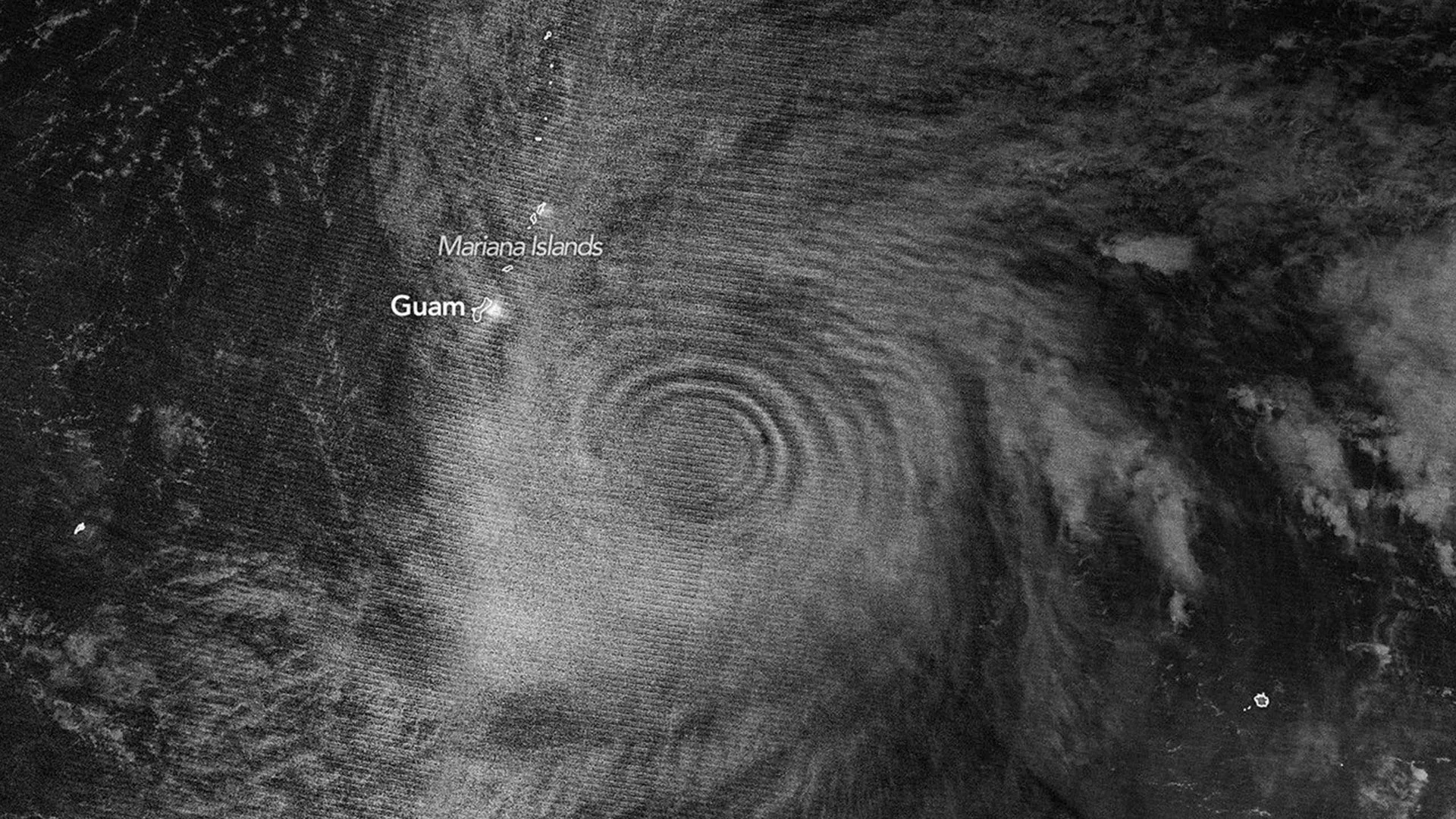
Super Typhoon Sinlaku triggered atmospheric gravity waves visible from space
The Invisible Reach of Super Typhoons: How Storms Are Rewriting Our Understanding of the Atmosphere
When we think of a typhoon, our minds naturally drift to the chaos at sea level: the lashing rain, the storm surge, and the devastating wind speeds. But recent events, such as the rapid intensification of Super Typhoon Sinlaku, have revealed that these storms are far more than surface-level threats. They are massive, atmospheric engines that send ripples all the way to the edge of space.
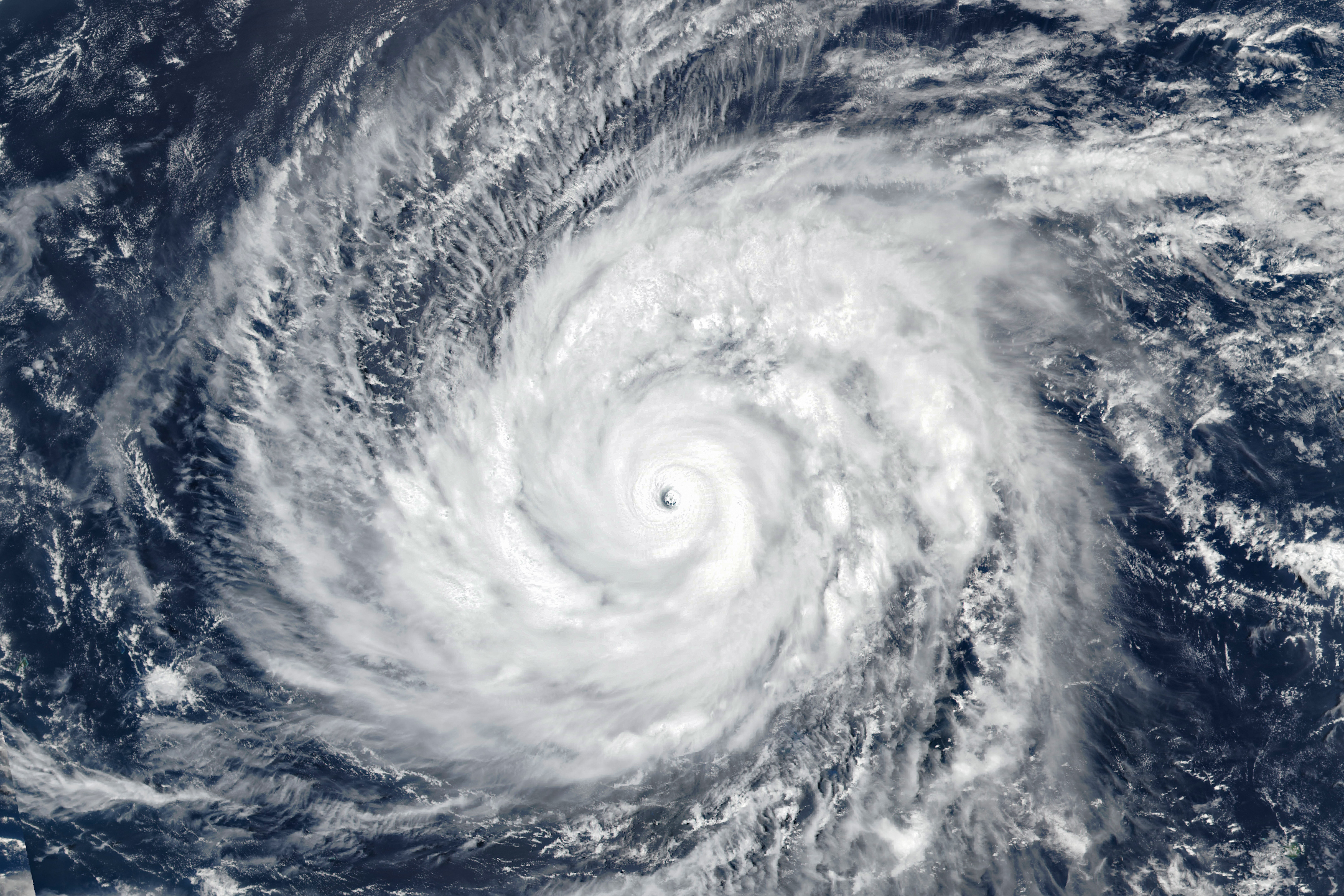
Scientists are now uncovering how these “atmospheric gravity waves”—ripples in the air caused by intense tropical convection—are providing a new frontier for weather forecasting and satellite technology. Understanding these vertical disturbances isn’t just academic; it’s the next step in global disaster preparedness.
Atmospheric gravity waves behave much like ripples in a pond after you drop a stone. When a storm’s “hot towers” of clouds punch through the troposphere, they displace the air above, sending waves cascading upward into the stratosphere and beyond.
Predicting the Unpredictable: The Future of Storm Intensity Forecasting
One of the greatest challenges in meteorology is rapid intensification—when a storm gains significant wind speed in a matter of hours. Because many of these storms develop over remote stretches of the ocean where radar coverage is thin, forecasters often rely on satellite estimates that can lag behind reality.
The study of gravity waves offers a potential “early warning” system. By monitoring these ripples from geostationary satellites, meteorologists could potentially identify the signature of a storm “breathing” and intensifying before it shows up on standard infrared sensors. This shift could mean the difference between a community having two days to evacuate versus one.
Bridging the Gap: From Earth to the Ionosphere
The impact of a powerful typhoon doesn’t stop at the clouds. Recent research indicates that these gravity waves can trigger traveling ionospheric disturbances. These are large-scale ripples in the plasma density of the upper atmosphere.
Why does this matter to the average person? Because the ionosphere is the medium through which GPS signals and satellite communications travel. When a typhoon creates significant atmospheric turbulence, it can degrade the accuracy of your smartphone’s navigation or cause interference in satellite-based internet services. As our reliance on Earth observation data grows, understanding the “space weather” caused by terrestrial storms will become a critical component of infrastructure security.
If you live in a typhoon-prone region, don’t rely solely on surface-level wind reports. Follow official meteorological channels that provide “rapid intensification” updates, as these often incorporate the latest satellite-derived atmospheric pressure data.
Long-Range Forecasting and the Stratosphere
Beyond immediate threats, these gravity waves are a vital piece of the global climate puzzle. Scientists like those at NorthWest Research Associates have pointed out that the stratosphere acts as a “memory bank” for the atmosphere. The energy injected into the stratosphere by tropical cyclones can influence wind patterns that dictate weather months later, including the severity of winter storms in the Northern Hemisphere.
By mapping how gravity waves move energy through the atmospheric layers, climate modelers are gaining better insights into how tropical activity influences seasonal weather patterns. This is a massive leap forward for long-range agricultural planning and energy sector forecasting.
Frequently Asked Questions
What are atmospheric gravity waves?
They are waves generated by the displacement of air, similar to ripples in water. In the atmosphere, they are often triggered by intense storm clouds pushing upward into stable layers of air.
Can typhoons really affect satellite signals?
Yes. Intense storms can create disturbances in the ionosphere, which can interfere with the signals sent to and from satellites, potentially affecting GPS and radio communications.
How will this change weather forecasting?
Researchers are working on using gravity wave detection as a tool to identify rapid storm intensification, allowing for more accurate and timely warnings for coastal populations.
Why is it hard to track storms in the open ocean?
Remote areas lack “in-situ” sensors like weather balloons or ground radar. Satellites are our primary tool, and identifying gravity waves provides a new data point to “see” what’s happening inside a storm.
What do you think about the intersection of space weather and terrestrial storms? Have you noticed changes in local weather patterns that seem to defy traditional forecasts? Share your thoughts in the comments below, or subscribe to our weekly climate science brief for more deep dives into the forces shaping our planet.