
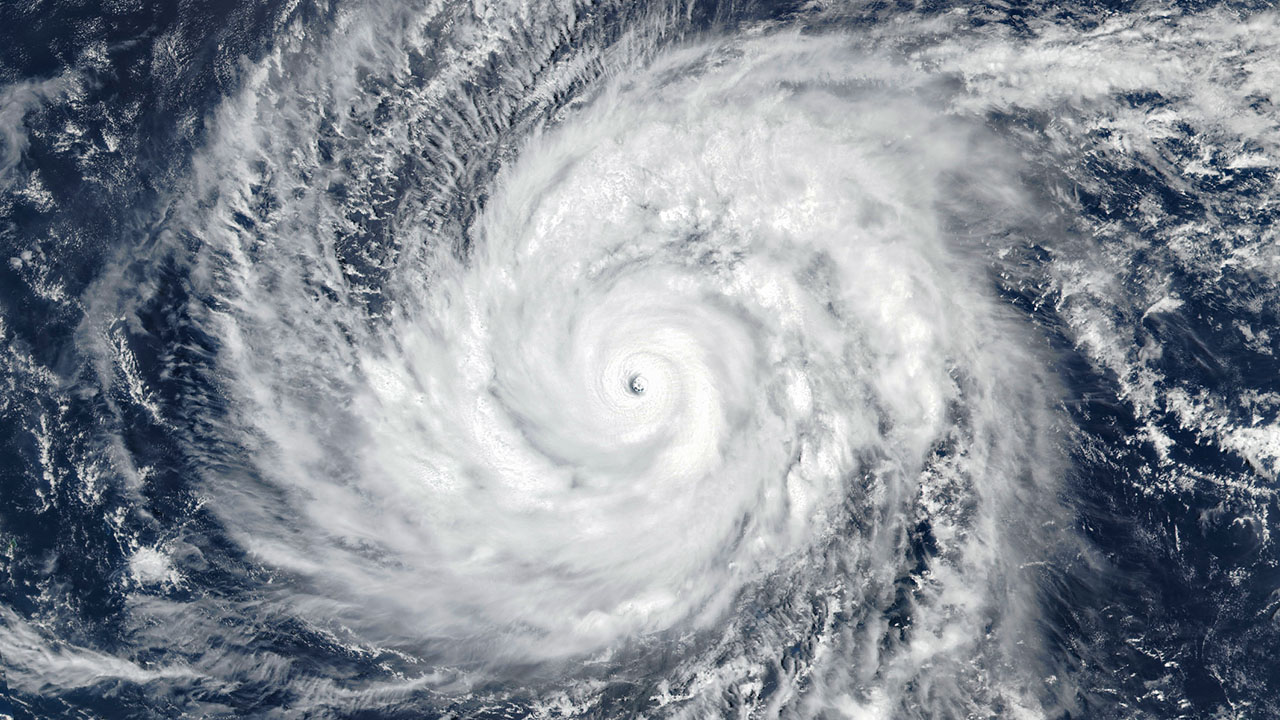
Super Typhoon Triggers Potential Record-Breaking Super El Niño
The Coming Super El Niño: Why Earth’s Climate is Reaching a Breaking Point
The Pacific Ocean is currently undergoing a dramatic transformation that could reshape global weather patterns for the next year. Scientists are tracking a rapidly intensifying El Niño, with new data suggesting we may be on the cusp of an event so powerful it could shatter previous temperature records. As ocean temperatures in the eastern Pacific climb, the world faces a critical question: Are we heading toward a “Super El Niño”?
The Mechanics of a Climate Monster
Why is this specific El Niño drawing so much concern from meteorologists? According to experts like Professor Jong-Seong Kug of Seoul National University, the phenomenon is the result of a “perfect storm” of energy accumulation. For the past two years, La Niña conditions trapped massive amounts of heat in the western Pacific. Now, that energy is being released back toward the east.
The catalyst for this shift is a phenomenon known as westerly wind bursts. These powerful gusts act as the trigger, pushing warm water across the Pacific and disrupting the usual trade winds. This movement of heat is not just a localized event; it is a global energy transfer that influences everything from drought patterns in Australia to heavy rainfall in South America.
The Unexpected Role of Super Typhoons
Perhaps the most startling finding in recent climate research is the link between extreme tropical cyclones and the birth of a Super El Niño. Recent data highlights how the super typhoon “Surigae” and similar storms have acted as a bellows, fueling the very winds that accelerate El Niño development.
When a massive storm develops in the western Pacific, it can intensify these westerly wind bursts, essentially “pulling the trigger” on the El Niño process. With global temperatures already trending upward, the presence of these high-energy storms suggests that our climate system is becoming more interconnected and volatile than ever before.
Pro Tip: Tracking the Data
For those interested in real-time climate monitoring, the NOAA Climate Prediction Center provides the most reliable updates on ENSO (El Niño-Southern Oscillation) status. Monitoring the NINO3.4 index is the gold standard for predicting the strength of these events.

What This Means for the Global Climate
The implications of a Super El Niño extend far beyond warmer ocean waters. If current models are correct, the global average temperature could potentially exceed the critical 1.5°C threshold above pre-industrial levels. This would mark a significant milestone in climate change history, potentially leading to more frequent extreme weather events, including:
- Agricultural Disruptions: Unpredictable rainfall patterns affecting global food security.
- Marine Heatwaves: Severe stress on coral reefs and fish populations due to prolonged high temperatures.
- Extreme Weather Shifts: Increased risk of floods in some regions and prolonged droughts in others.
Frequently Asked Questions (FAQ)
- What is the difference between El Niño and a “Super” El Niño?
- A standard El Niño involves a moderate rise in sea surface temperatures. A “Super” El Niño is a more extreme event where temperatures spike significantly (often over 2°C above average), leading to much larger global climate impacts.
- How long do these effects last?
- An El Niño event typically lasts between 9 to 12 months, though the atmospheric ripple effects can persist for much longer as the planet adjusts to the redistributed heat.
- Can we stop an El Niño from happening?
- No. El Niño is a natural cycle of the Earth’s climate system. While we cannot prevent it, advanced modelling helps governments and industries prepare for the potential economic and environmental impacts.
As we continue to monitor the development of this climate event, stay informed by subscribing to our newsletter for the latest updates on global weather trends. Have you noticed unusual weather patterns in your region this year? Share your observations in the comments below.