

Supreme Court Strikes Down Hawaii Private Property Gun Restriction Law
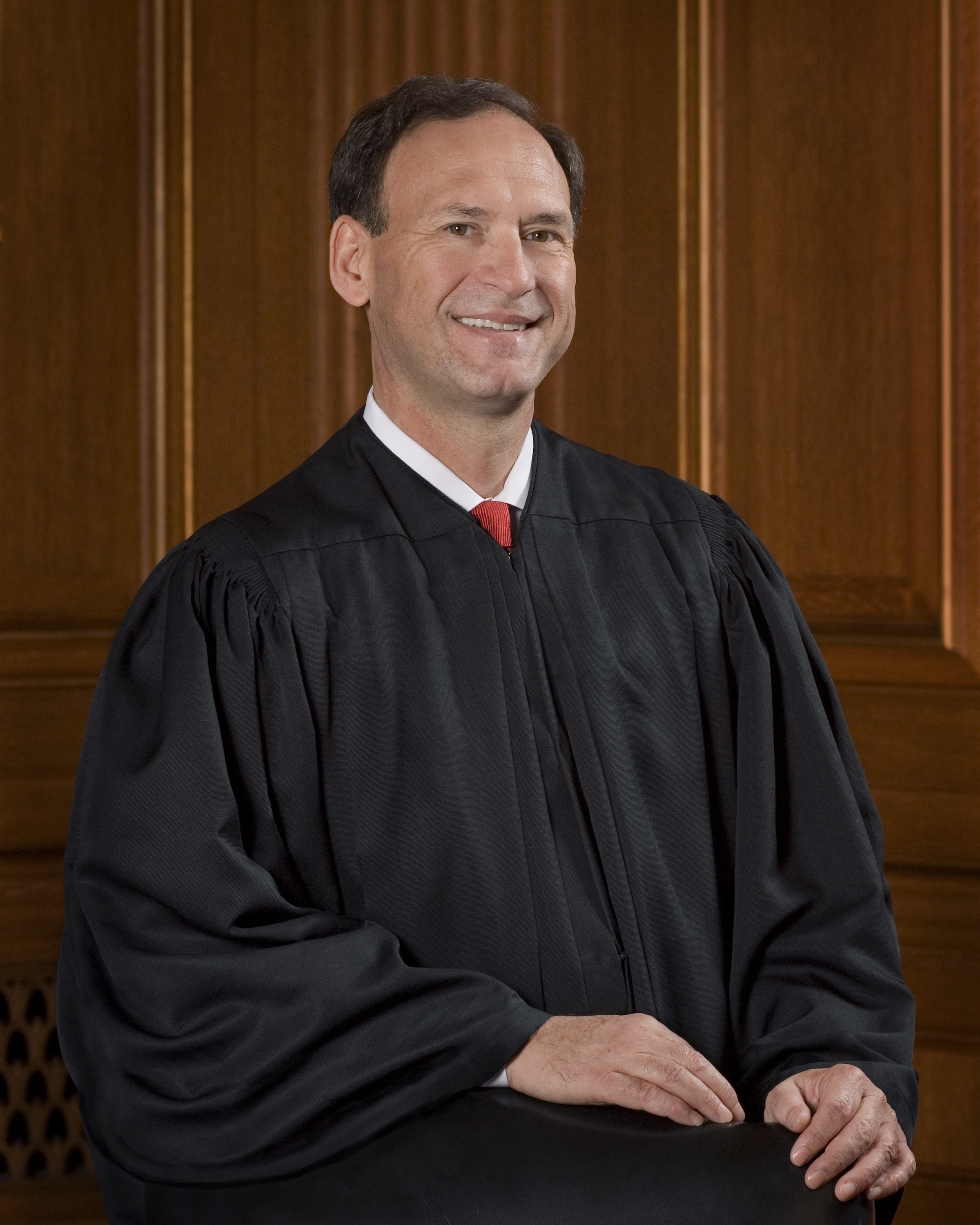
The U.S. Supreme Court ruled 6-3 on Thursday, June 25, that Hawaii cannot require licensed firearm owners to obtain permission before carrying concealed weapons on private properties open to the public. Justice Samuel Alito’s majority opinion states such restrictions severely limit the Second Amendment rights of permit holders who have met state requirements.
Why did the Supreme Court strike down Hawaii’s gun restriction?
The Court found that Hawaii’s law illegally blocked properly licensed individuals from carrying concealed weapons in businesses open to the public. According to the majority opinion written by Justice Samuel Alito, the law required express authorization from property owners for people to carry firearms in locations like grocery stores, gas stations, and restaurants.
:max_bytes(150000):strip_icc()/supreme-court-west-entrance-564091971-crop-595477603df78cdc29d6e89e.jpg "Why did the Supreme Court strike down Hawaii's gun restriction?")
Alito wrote that this requirement imposed “severe restrictions” on the daily activities of residents who had already satisfied the state’s rigorous carry permit process. The ruling effectively prevents states from using “permission-based” systems to restrict access to public-facing private properties for licensed gun owners.
How does property law conflict with Second Amendment rights?
The ruling highlighted a sharp divide between the right to carry a weapon and the traditional right of a property owner to exclude others. Justice Ketanji Brown Jackson, in her dissent, argued that the Hawaii law was not an attempt to bypass Second Amendment precedents but rather an application of the “first principle of property law.”
Brown Jackson noted that while the public might have an implied license to enter a business, that license is “not a matter of right” and is governed by state law and custom. She suggested that Hawaii’s law aimed to prevent confusion among property owners regarding how federal law affected their traditional expectations of control over their own land.
Comparison of Legal Perspectives
| Perspective | Core Argument | Legal Basis |
|---|---|---|
| Majority (Alito) | Licensed carry must be protected in public-facing spaces. | Second Amendment |
| Dissent (Brown Jackson) | Owners have the right to exclude armed individuals. | Property Law |
What happens to other states with similar laws?
This decision creates a precedent that likely threatens similar laws in four other states. Because the Court explicitly addressed the “permission” requirement for properties “open to the public,” states using nearly identical frameworks may see their laws challenged in lower courts.
Legal analysts suggest the focus will now shift to where the line is drawn between “public-facing private property” and purely private spaces. While a grocery store is open to the public, a private residence remains under the owner’s total control. The ruling clarifies that for businesses serving the general public, the state cannot mandate a permission-based barrier for licensed carriers.
Frequently Asked Questions
Can a private business owner still ban guns on their property?
The ruling focused on the state law requiring a permission process. It does not explicitly strip a private owner’s right to set their own rules, but it prevents the state from enforcing a blanket “permission-to-carry” mandate for licensed individuals.
Which justice wrote the majority opinion?
Justice Samuel Alito wrote the majority opinion, stating that Hawaii’s law imposed severe restrictions on residents with valid carry permits.
What was the final vote count?
The Supreme Court ruled 6-3 against the Hawaiian law.
What are your thoughts on the balance between property rights and the Second Amendment? Let us know in the comments below or subscribe to our newsletter for more legal updates.