
Suriname to Space: Rohit Goeptar’s NASA Journey
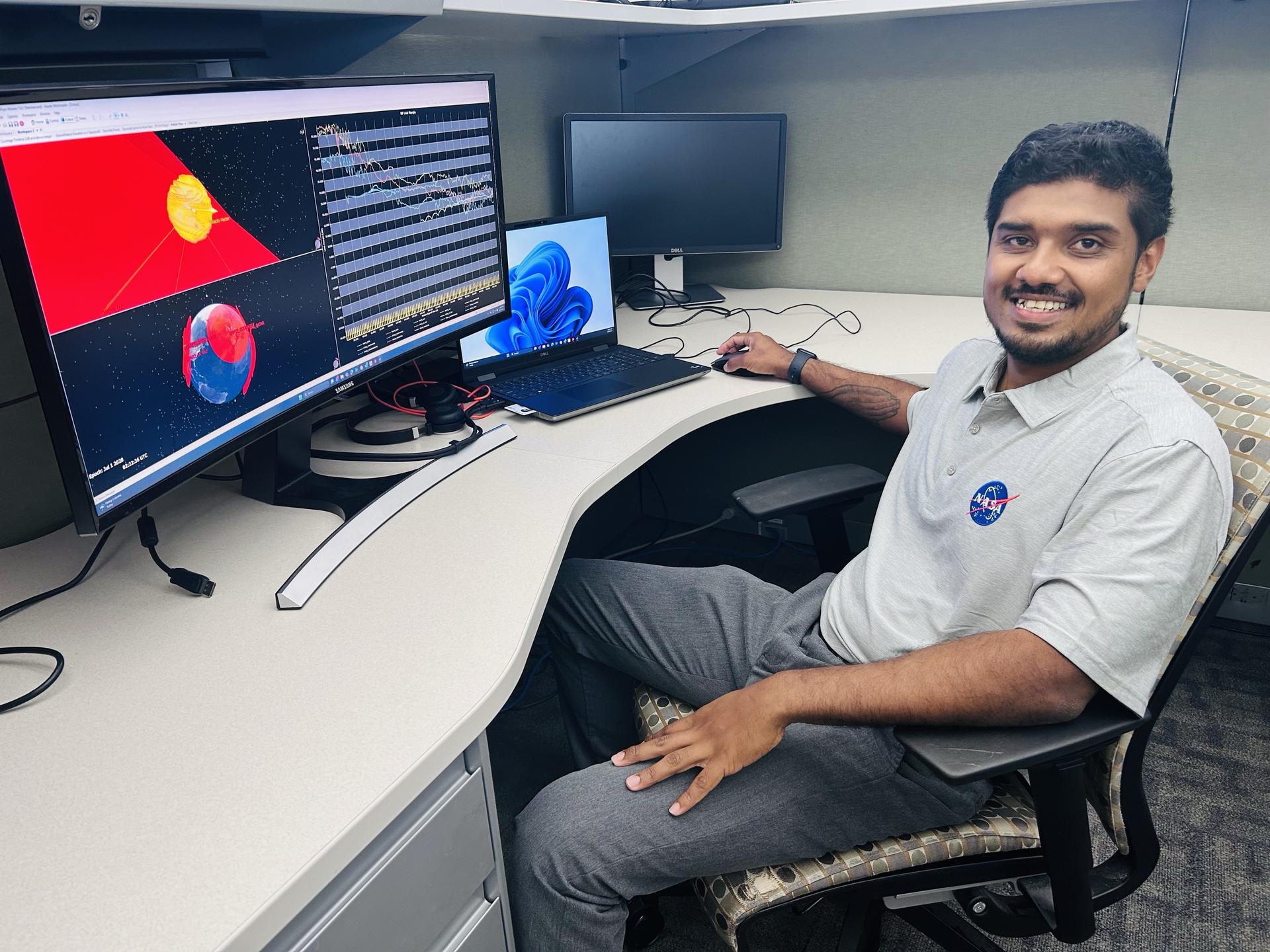
NASA Administrator Jared Isaacman is implementing a workforce directive to restore technical core competencies within the agency’s civil servant ranks, aiming to reduce reliance on outside contractors for critical mission analysis. This shift is exemplified by the recent appointment of Rohit Goeptar, an electromagnetic/radio frequency (RF) analyst at the Kennedy Space Center, as a permanent civil servant.
Why is NASA shifting technical roles back to civil servants?
NASA is prioritizing the retention of internal technical expertise to ensure long-term mission stability. According to the agency’s current workforce directive, Administrator Jared Isaacman aims to rebuild the “technical core” of the government workforce. This move addresses a trend where critical engineering knowledge often resided with contractors rather than the agency itself.

Rohit Goeptar’s transition from an intern under the Expendable Launch Vehicle Integrated Support (ELVIS) contract to a full-time civil servant illustrates this strategy. By converting experienced contractors into civil servants, NASA retains institutional memory and specialized skills in-house. This reduces the risk of knowledge gaps when contracts expire or vendors change.
How is RF interference analysis evolving for future missions?
As space becomes more crowded with commercial satellites and complex payloads, radio frequency (RF) interference management has become a primary mission risk. Goeptar’s work focuses on electromagnetic interference (EMI) and electromagnetic compatibility (EMC), ensuring that electrically powered “avionic boxes” do not disrupt other critical systems.
A critical trend in this field is the move toward more dynamic modeling. Goeptar identified a gap in previous NASA analysis that failed to account for a rocket’s pitch, yaw, and roll during launch. By integrating these physical movements into the RF analysis, Goeptar created a solution that keeps NASA and partner data more synchronized. This suggests a future where RF analysis must be integrated with real-time telemetry and physical dynamics rather than relying on static models.
Current missions utilizing these RF protocols include:
- Sentinel-6B: Focused on high-precision sea-level monitoring.
- JPSS-4 (Joint Polar Satellite System): Critical for weather forecasting.
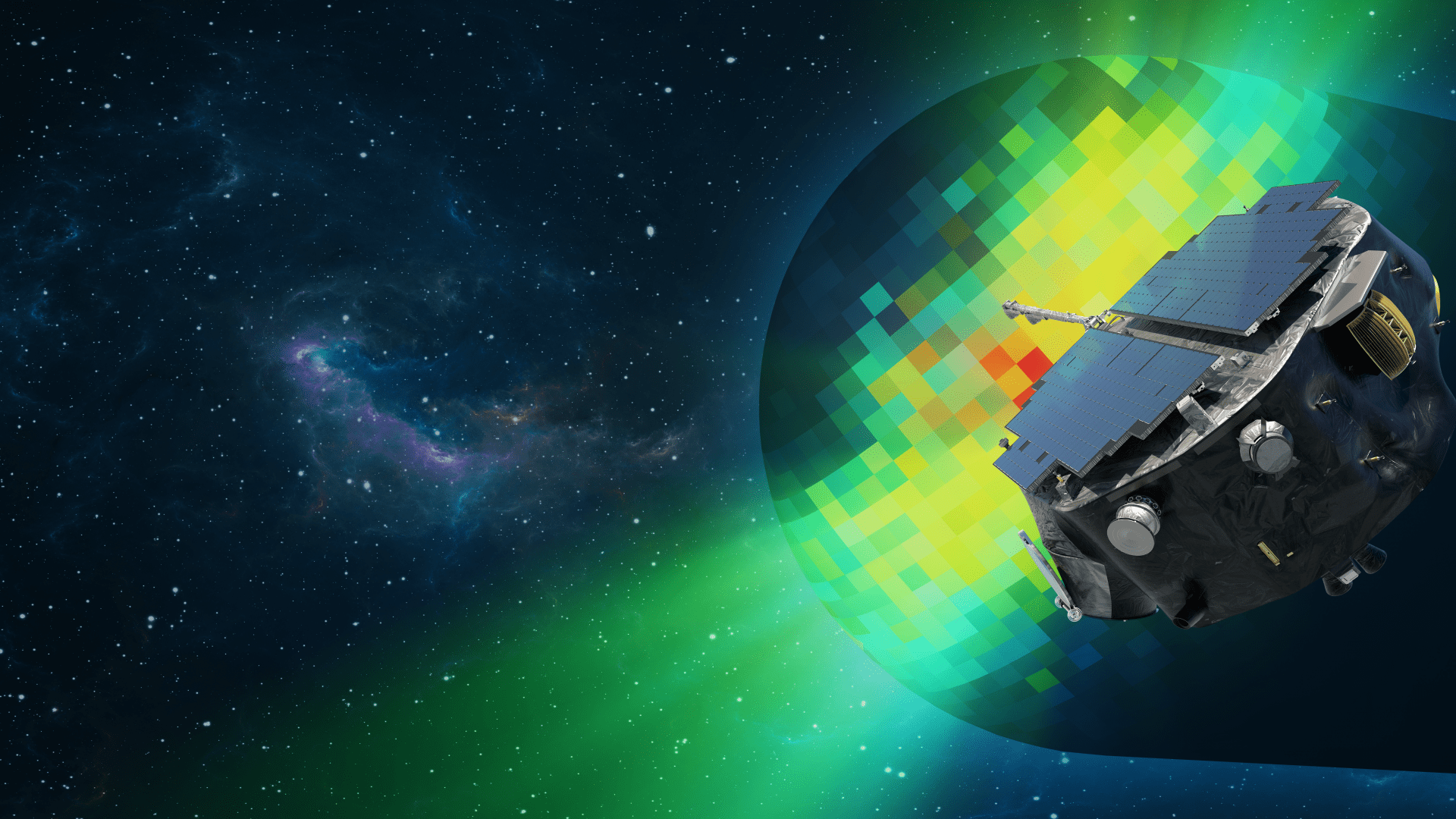
- IMAP (Interstellar Mapping and Acceleration Probe): Studying the boundaries of our solar system.
What role do non-traditional career paths play in NASA’s workforce?
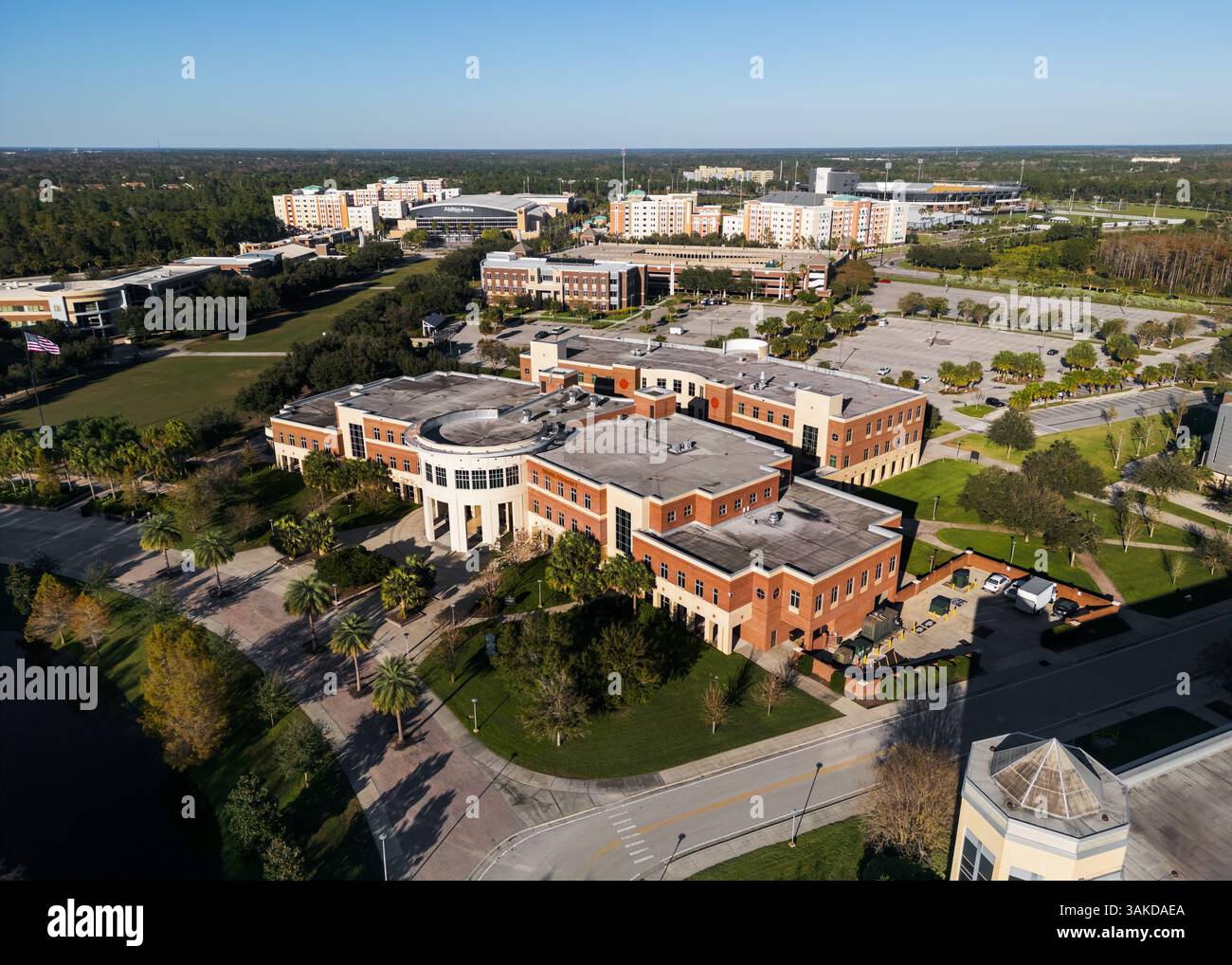
NASA is increasingly leveraging talent from non-traditional backgrounds to fill technical gaps. Goeptar’s path—from a childhood in Suriname to the U.S. Marine Corps, experiencing homelessness in Kissimmee, Florida, and later earning dual degrees in computer and electrical engineering from the University of Central Florida (UCF)—reflects a broader trend in STEM recruitment.
Military experience often provides a foundation for NASA’s technical roles. Goeptar spent six years as a technical operator in the Marine Corps, where he deployed communication systems in the Philippines following a typhoon. This practical, high-pressure experience in field communications translates directly to the reliability requirements of launch services.
According to Goeptar, the ability to “give back” to the government that provided these opportunities is a driving force for new civil servants. This suggests that NASA’s recruitment strategy is not just about technical skill, but about finding resilient individuals who can handle the rigor of spaceflight operations.
Comparing Contractor vs. Civil Servant Technical Roles
| Feature | Contractor (e.g., ELVIS) | Civil Servant |
|---|---|---|
| Primary Goal | Deliverable-based project completion | Long-term institutional oversight |
| Knowledge Retention | Often leaves with the contract | Stored within the agency |
| Focus | Specific mission tasks | Core technical competency & strategy |
Frequently Asked Questions
What is a radio frequency link budget?
It is an accounting of all the gains and losses from the transmitter, through the medium (space), to the receiver. It ensures the signal is strong enough to be understood by the ground station.

What is the difference between EMI and EMC?
Electromagnetic Interference (EMI) is the disruption of an electronic device by another. Electromagnetic Compatibility (EMC) is the ability of different devices to operate in the same environment without causing EMI.
How does NASA recruit non-traditional STEM students?
Through internships, contractor-to-civil-servant pipelines, and partnerships with universities like UCF, as seen in the case of Rohit Goeptar.
Do you want to see more stories of resilience in STEM? Let us know in the comments or subscribe to our newsletter for the latest updates on NASA’s workforce evolution.