
Sustainability-Linked Bonds: A Better Way to Finance Tropical Forest Conservation
The Tropical Forest Forever Facility (TFFF), an initiative launched at the United Nations Climate Conference, faces significant challenges in securing the $125 billion investment target required to effectively incentivize global forest conservation. While the facility has raised $6.7 billion to date, the project remains hindered by market complexities and concerns regarding long-term political commitment in tropical nations, according to analysis of the current financial framework.
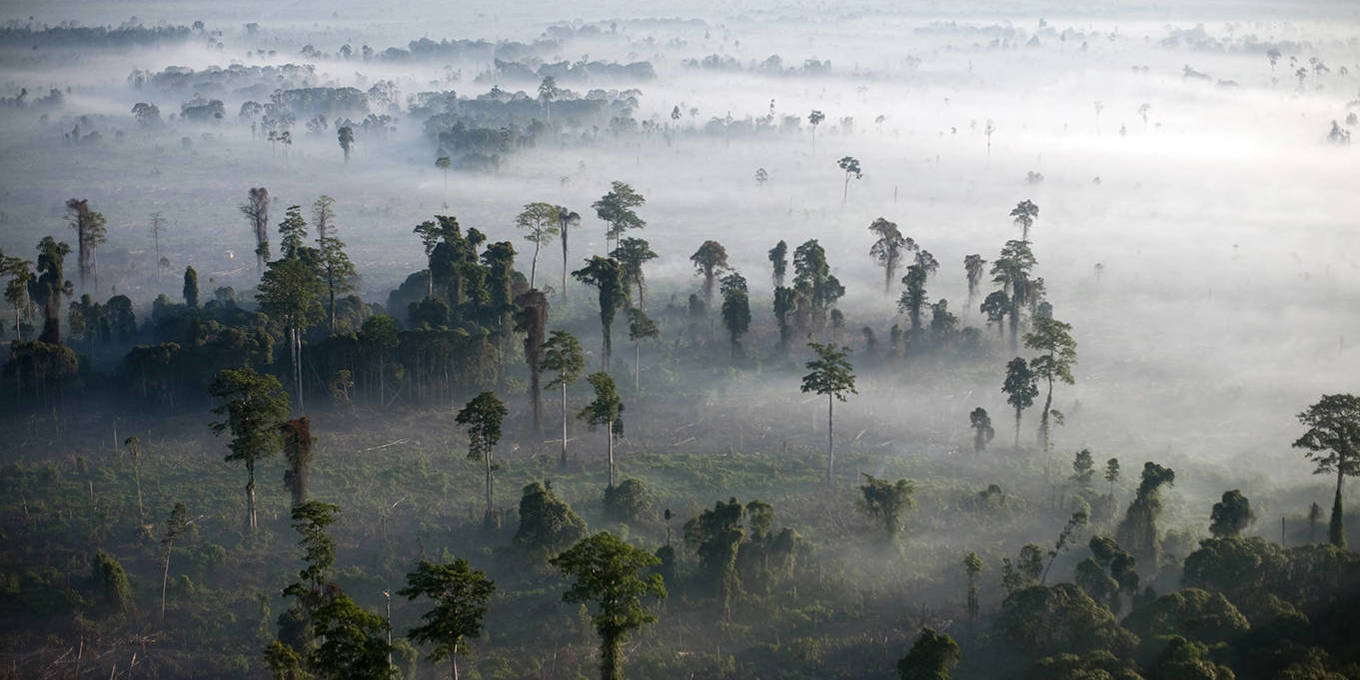
Tropical deforestation and related land-use changes account for nearly 20% of cumulative carbon dioxide emissions since 1850. Because these ecosystems provide global benefits, the TFFF proposal sought to compensate tropical countries for the opportunity costs of conservation. The mechanism relies on a Tropical Forest Investment Fund (TFIF) that aims to generate returns—partially through sponsor capital and high credit ratings—to fund payments of up to $4 per hectare of standing forest.
The TFFF payment structure penalizes deforestation: each hectare of forest lost reduces the payment base by 100–200 hectares, while fire-degraded land results in a 35-hectare reduction.
Why the Current Model Faces Skepticism
Economists and potential donor nations, including the United Kingdom, have expressed doubt regarding the viability of the TFFF. The primary concern is the “time-inconsistency” of the commitments; compensation payments may not arrive during a government’s term, and future administrations could reverse conservation policies with minimal financial consequence. Furthermore, critics argue that balancing investor returns with meaningful conservation payments in international capital markets remains a difficult objective to achieve.
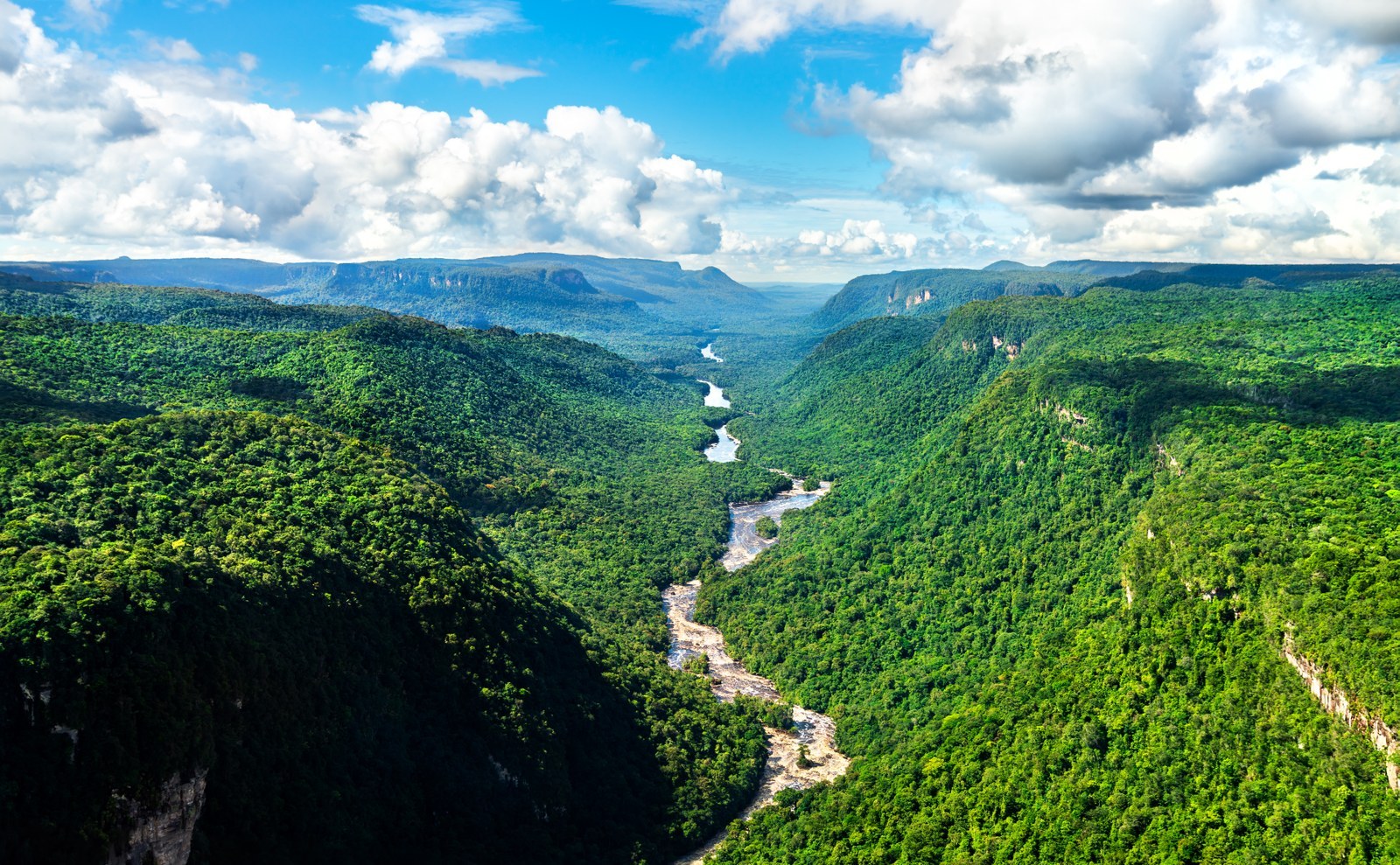
The failure of the TFFF to gain institutional momentum highlights the inherent friction between private market incentives and environmental policy. If the facility fails to conserve forests despite raising capital, it risks discouraging future investment in tropical conservation, potentially stalling essential climate efforts despite the clear global value of these ecosystems.
Alternative Financial Instruments
Sustainability-linked sovereign bonds (SLBs) and loans (SLLs) may offer a more robust path forward for conservation finance. Unlike the TFFF, these instruments tie interest rates directly to verified performance targets. Uruguay, for example, utilizes bonds where interest rates drop if conservation targets are exceeded and rise if they are not met. Similar models were adopted by Thailand in 2024 and Slovenia in 2025.
These instruments allow governments to receive upfront funding, mitigating the risk associated with payment lags. To improve efficacy, analysts suggest that future SLBs should feature larger coupon adjustments, longer maturities, and a focus on donor countries or institutional investors as the primary purchasers. By incorporating standard sovereign-debt protections, these structures could provide the necessary financial motivation for states to maintain long-term conservation efforts.
Frequently Asked Questions
What is the primary goal of the Tropical Forest Forever Facility?
The facility aims to raise $125 billion to compensate tropical nations for the opportunity costs of maintaining standing forests, which are vital for biodiversity and carbon sequestration.

Why is the TFFF considered unlikely to succeed by some observers?
The model faces challenges in balancing investor returns with conservation payments, alongside concerns that governments may not remain committed to conservation if compensation is uncertain or delayed.
How do sustainability-linked bonds differ from the TFFF?
SLBs tie a nation’s interest rates directly to specific conservation outcomes, creating a financial incentive that persists regardless of electoral cycles, whereas the TFFF relies on uncertain investment returns to fund payments.
Could the adoption of sustainability-linked bonds effectively replace the TFFF as the primary global mechanism for forest preservation?