

Swedish Fighter Jets Intercept Russian Warplanes Over Baltic Sea
Swedish military officials confirmed the deployment of two JAS 39 Gripen fighter jets to intercept two Russian combat aircraft operating over the Baltic Sea on June 12. While the Russian planes did not violate Swedish airspace, the Swedish Armed Forces and NATO allies conducted coordinated maneuvers to secure the region, marking a recurring pattern of activity that Stockholm describes as a threat to territorial integrity.
Why is Baltic Sea Airspace Becoming a Flashpoint?
The Baltic Sea has emerged as a primary theater for aerial posturing between Russia and NATO, particularly since Russia’s 2022 invasion of Ukraine. According to the Swedish Armed Forces, these intercept missions are not isolated incidents but part of a persistent behavior pattern. Vice Admiral Ewa Skoog Haslum, head of joint operations for the Swedish military, characterized these actions as a direct challenge to security in the region. NATO members frequently scramble jets to monitor Russian aircraft that approach alliance borders without filing flight plans or communicating with civilian air traffic control, a practice that increases the risk of mid-air accidents.
Sweden officially joined NATO in March 2024, ending over two centuries of military non-alignment. This shift has fundamentally altered the security architecture of the Baltic region, effectively turning the sea into what many analysts call a “NATO lake.”
What Happens During a Fighter Intercept?
When foreign aircraft approach sovereign airspace, nations follow standardized protocols to protect their borders. As reported by the Swedish military, the June 12 incident involved both Swedish JAS 39 Gripens and additional NATO aircraft. The primary goal of an intercept is to identify the approaching aircraft, ensure they remain in international airspace, and deter potential incursions. These operations are conducted in accordance with international law, though they remain high-stakes maneuvers where pilots must operate in close proximity under significant pressure.
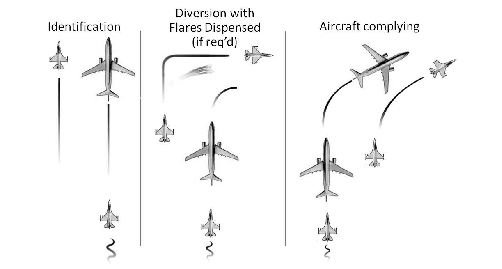
Comparison: Intercept Protocols and Regional Security
| Factor | Pre-2022 Context | Current Posture (2024) |
|---|---|---|
| Swedish Status | Non-aligned | NATO Member |
| Incident Frequency | Sporadic | Persistent/Patterned |
How Does NATO Deter Aerial Intrusions?
NATO utilizes a system known as “Air Policing” to maintain the integrity of its member states’ airspace. This involves a 24/7 alert posture where jets are kept ready to launch at a moment’s notice. Following Sweden’s accession to the alliance, the integration of Swedish assets into this network has increased the reaction speed and coverage area for the Baltic region. According to NATO’s Allied Air Command, these patrols are purely defensive and intended to maintain safe skies for civilian aviation while preventing unauthorized military access.
For real-time updates on regional security, monitor official statements from the Swedish Armed Forces rather than social media speculation. Official military channels provide verified logs of intercept missions.
Frequently Asked Questions
Did the Russian jets enter Swedish airspace?
No. The Swedish military stated that the Russian aircraft remained outside of Swedish sovereign territory during the intercept.
Why does Russia fly near Baltic airspace?
Military analysts generally interpret these flights as “probing” missions designed to test NATO’s response times, radar capabilities, and communication protocols.
Is this situation likely to escalate?
While intercept missions are routine, they carry inherent risks. Both NATO and Russian forces maintain established channels to prevent these encounters from escalating into direct military conflict.
Stay informed on Baltic security developments by subscribing to our weekly security briefing newsletter. Have questions about regional defense? Drop a comment below to join the discussion.