

Synthetic Human Embryo Models: Bypassing the 14-Day Rule
International researchers are proposing new regulatory guidelines for “embryo models” to bypass the legal 14-day limit on human embryo research. According to a white paper stemming from a November 2024 meeting at the Institut Pasteur, these stem-cell-based models could allow scientists to study infertility and gastrulation without relying on fertilized embryos.
Why are researchers proposing “synthetic embryos”?
Scientists argue that the “14-day rule,” currently active in countries including France, prevents the study of gastrulation. This stage is when an embryo structures into three cellular layers to form tissues and organs. Researchers from the Institut Pasteur, Institut Curie, and CHU de Nantes state that the supply of “excess” embryos from in vitro fertilization is limited and subject to strict ethical restrictions.
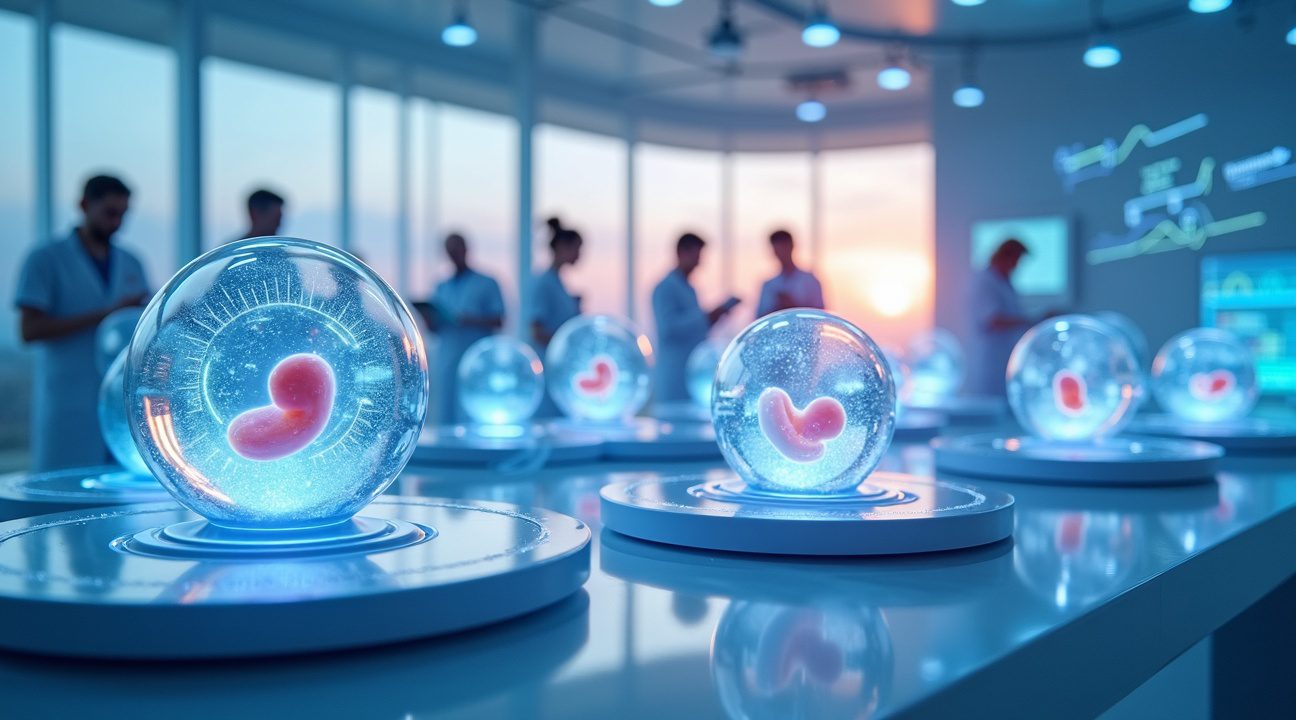
These “synthetic embryos” are models created directly from stem cells rather than fertilization. Scientists describe them as a “good alternative” because similar models in monkeys have already successfully reproduced gastrulation, though human models have not yet progressed beyond the early stages of that process.
How will these embryo models be regulated?
The white paper, authored by Alfonso Martínez-Arias of the Universitat Pompeu Fabra and others, calls for the “standardization” of these models. The authors note that current results aren’t comparable to human embryos due to disparities in cellular lines and methodologies.
The researchers are requesting that regulations for stem-cell models be dissociated from those governing natural embryos. While Martínez-Arias stated that an embryo should not be cultivated beyond 14 days, the source notes that some signatories previously advocated for extending embryo research to 28 days.
What are the ethical implications of this research?
Researchers acknowledge an “ethical malaise” regarding the creation and destruction of entities that mimic early human life. These models could potentially develop characteristics such as a beating heart, a face, a hand, or an integrated central nervous system capable of sensitivity or consciousness.
During biomedicine meetings in October 2025, Pr Sophie Brouillet, head of the Biology of Reproduction laboratory at CHU de Montpellier, stated that “in theory,” a blastoïde could potentially result in a baby if placed in a uterus. Brouillet noted that the elements to do so exist, though the practice is forbidden.
What happens next for synthetic embryo research?
Future developments may depend on ethics committees determining the “necessary duration” for specific studies. It is possible that researchers will attempt to mitigate moral concerns by preventing the models from developing specific tissues or by ensuring they lack the annexes required for uterine implantation.
The adoption of the proposed “reference framework” could lead to more consistent data across international laboratories, potentially accelerating the study of infertility causes.
Frequently Asked Questions
What is a blastoïde?
A blastoïde is another name for an embryo model, which is a synthetic cellular structure that mimics stages of human embryonic development without originating from fertilization.
Why is gastrulation important to study?
Gastrulation is the stage where the embryo organizes into three cellular layers, which eventually give rise to the body’s organs and tissues.
Can synthetic embryos become humans?
According to Pr Sophie Brouillet, while it is currently forbidden, a blastoïde theoretically contains the elements that could potentially result in a baby if implanted in a uterus.
Should the legal definition of an embryo be expanded to include synthetic models created from stem cells?