
Syria’s Path to Recovery: Sustained Action Needed to Address Ongoing Humanitarian Needs
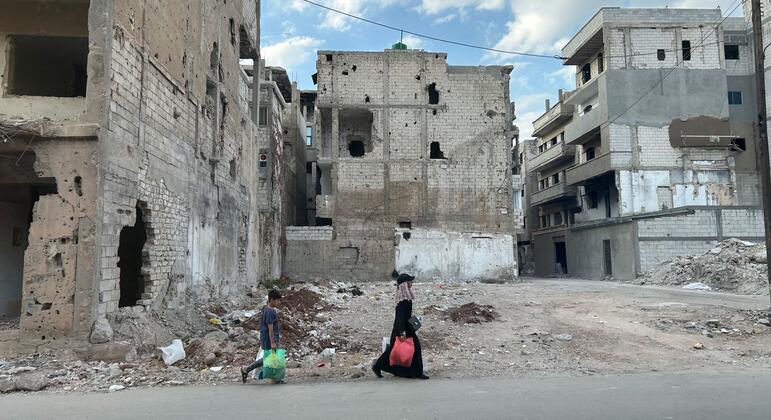
Syria’s Recovery Efforts: Progress and Persistent Challenges
Assistant Secretary-General for humanitarian affairs Indrika Ratwatte emphasized that “there is now a genuine opportunity to help Syrians move from survival towards recovery,” according to a UN statement. However, the path forward remains fraught with obstacles, including acute humanitarian needs and political instability. The UN has called for sustained funding, political will, and investment to support Syria’s transition from emergency aid to long-term recovery.
Humanitarian Needs Remain Acute
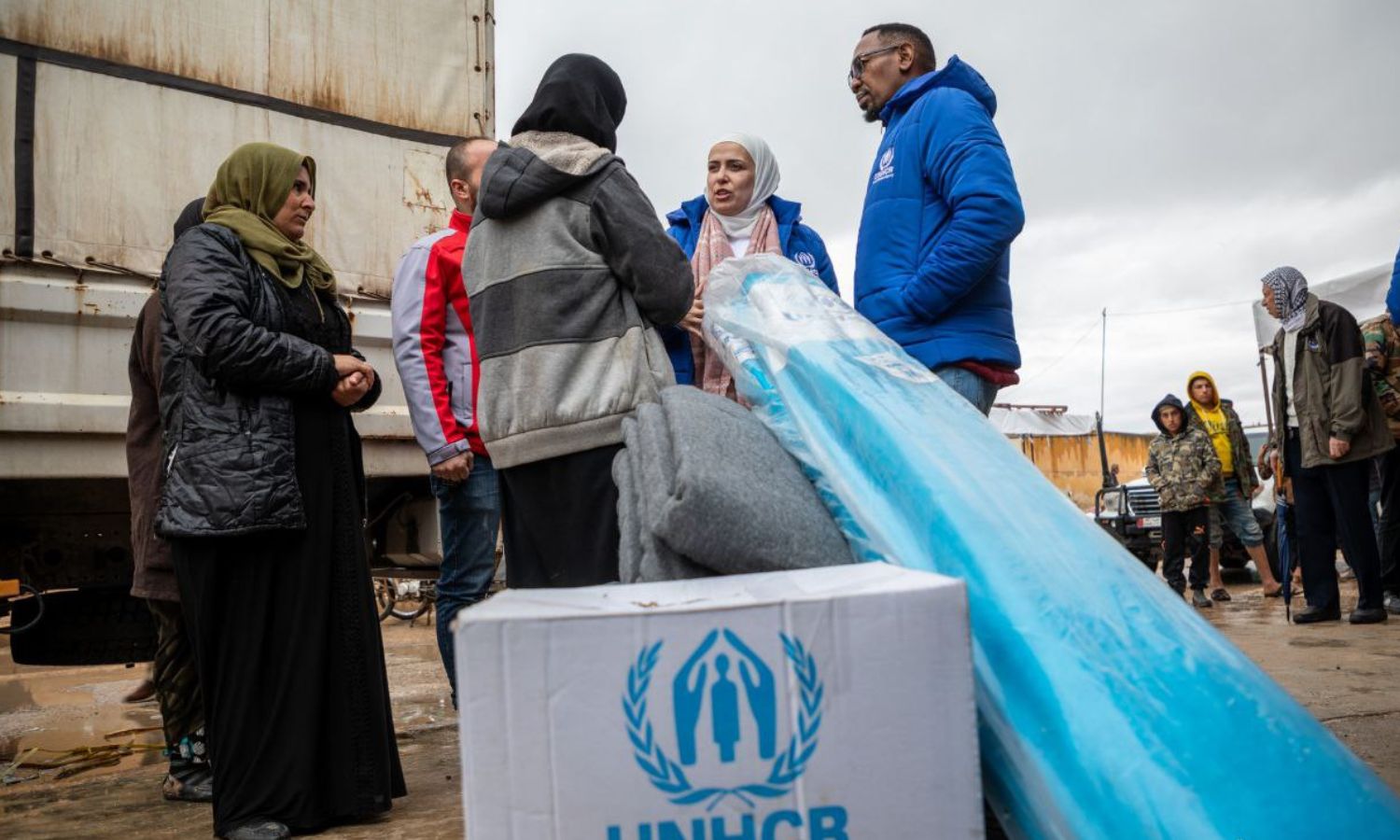
Despite some progress, millions of Syrians remain displaced, with 1.6 million refugees and 2 million internally displaced people returning since December 2024. However, access to basic services, protection, and livelihoods remains critical for successful reintegration, Ratwatte said. Aid operations have reached 3 million people this year, but funding gaps persist. The $2.92 billion humanitarian appeal is only 20% funded, leaving programs under-resourced.
“With more support, much more can be achieved,” Ratwatte added. The UN’s “No Camps, No Tents” vision aims to prioritize sustainable livelihoods and service provision, aligning with Syria’s national recovery priorities. Yet, the gap between ambition and resources remains stark.
Political Transition at a Critical Phase
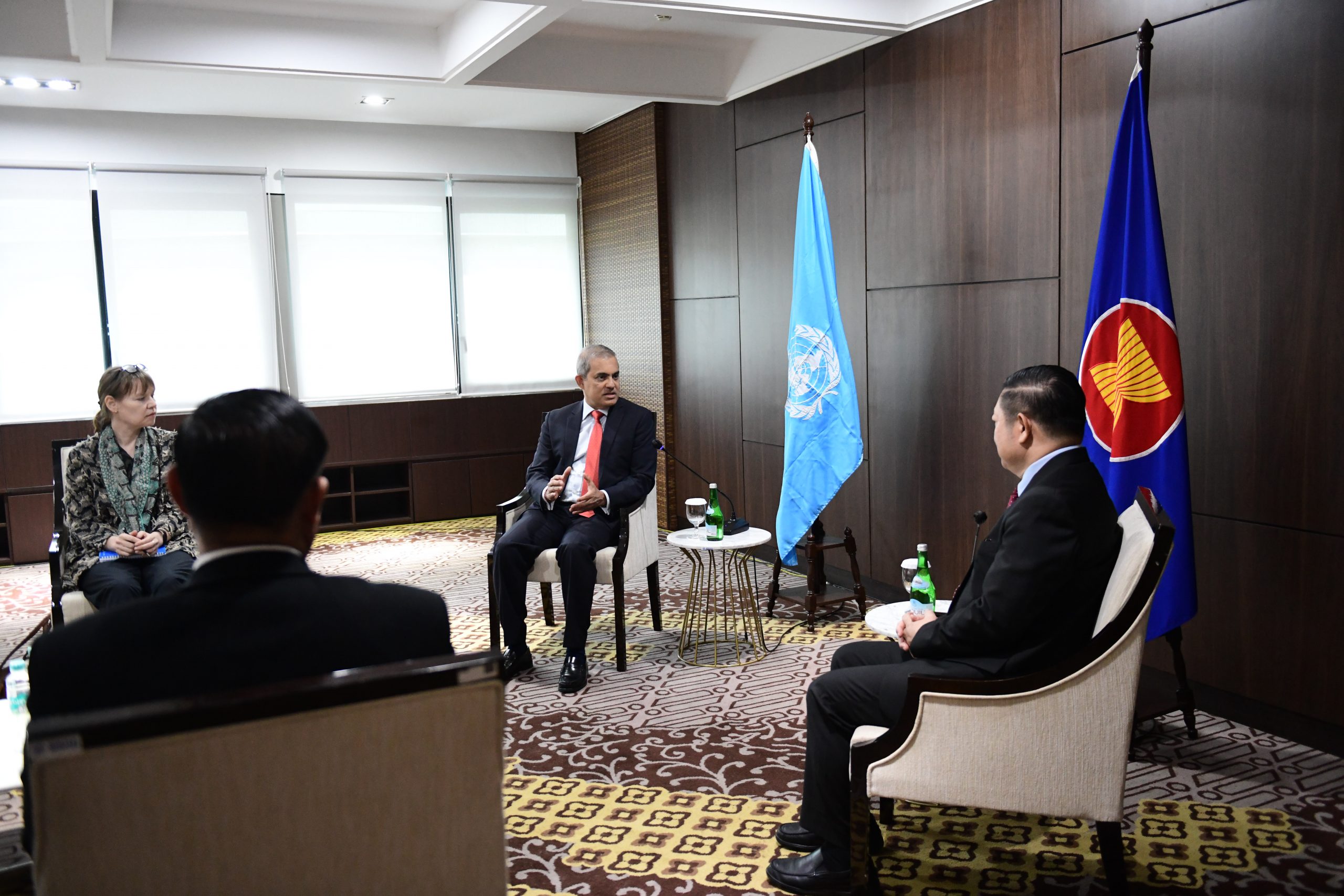
UN Deputy Special Envoy Claudio Cordone highlighted that Syria’s political transition is “at a critical phase, with opportunity and fragility existing side-by-side.” While recent elections saw peaceful voting, the People’s Assembly remains unformed eight months later, hindering legislative progress. Cordone stressed the need for new laws, executive reviews, and inclusive dialogue to strengthen the transitional parliament.
Economic challenges also loom large. Syria’s efforts to combat inflation and attract investment are underway, but progress is slow. The UN has urged regional stability, noting that a U.S.-Iran memorandum could ease pressures on Syria’s economy.
Security Threats and Regional Tensions
Security remains a pressing concern. Kidnappings and clashes in Sweida have stalled the 2025 Roadmap for confidence-building, deepening distrust between Damascus and local communities. Meanwhile, Israel continues to violate the 1974 Disengagement of Forces Agreement, with frequent incursions into southern Syria, including civilian detentions and agricultural damage.
Cordone called on Israel to “adhere to the 1974 Agreement, release those illegally detained, and respect Syria’s sovereignty.” The UN has also noted Syria’s counterterrorism efforts, including 230 arrests of foreign nationals and the dismantling of Da’esh-linked cells. However, extremist networks persist, with a June 2025 attack in Raqqa underscoring ongoing risks.
What Happens Next in Syria’s Recovery?
The UN’s success in Syria hinges on three key factors: sustained funding, political cooperation, and security stability. Ratwatte’s appeal for “predictable and flexible funding” underscores the urgency of donor support. Meanwhile, Cordone’s emphasis on “laying the foundations for lasting stability” highlights the interconnected nature of humanitarian, political, and security challenges.
Regional dynamics will also shape outcomes. Syria’s non-interference stance in Lebanon and the potential impact of the U.S.-Iran memorandum could influence broader stability. However, without resolution of Israeli-Syrian tensions and internal security threats, progress remains fragile.
FAQ: Key Questions About Syria’s Future
What are the main challenges in Syria’s recovery?
Acute humanitarian needs, political instability, security threats, and funding gaps are the primary obstacles. Over 1.6 million refugees have returned, but access to services and sustainable livelihoods remains limited.
How is the UN supporting Syria’s transition?
The UN advocates for predictable funding, political will, and alignment with Syria’s national recovery priorities. Initiatives like the “No Camps, No Tents” vision focus on service provision and livelihoods, while security efforts target extremist networks and cross-border threats.
What role does regional stability play?
Regional tensions, including Israeli-Syrian conflicts and U.S.-Iran dynamics, directly impact Syria’s stability. The UN has called for adherence to international agreements and greater regional cooperation to ease pressures on Syria’s recovery.
Did You Know?
Syria’s 2025 Roadmap for Sweida aims to rebuild trust after deadly clashes, but implementation has stalled. The UN’s humanitarian appeal is only 20% funded, despite reaching 3 million people in 2025.
Pro Tips: How to Stay Informed
Follow the UN’s official website for updates on humanitarian efforts. Track regional developments through The New York Times and BBC News for in-depth analysis of political and security trends.