

Taiwan President Lai Ching-te Calls for Stronger Tech and Security Cooperation With Japan
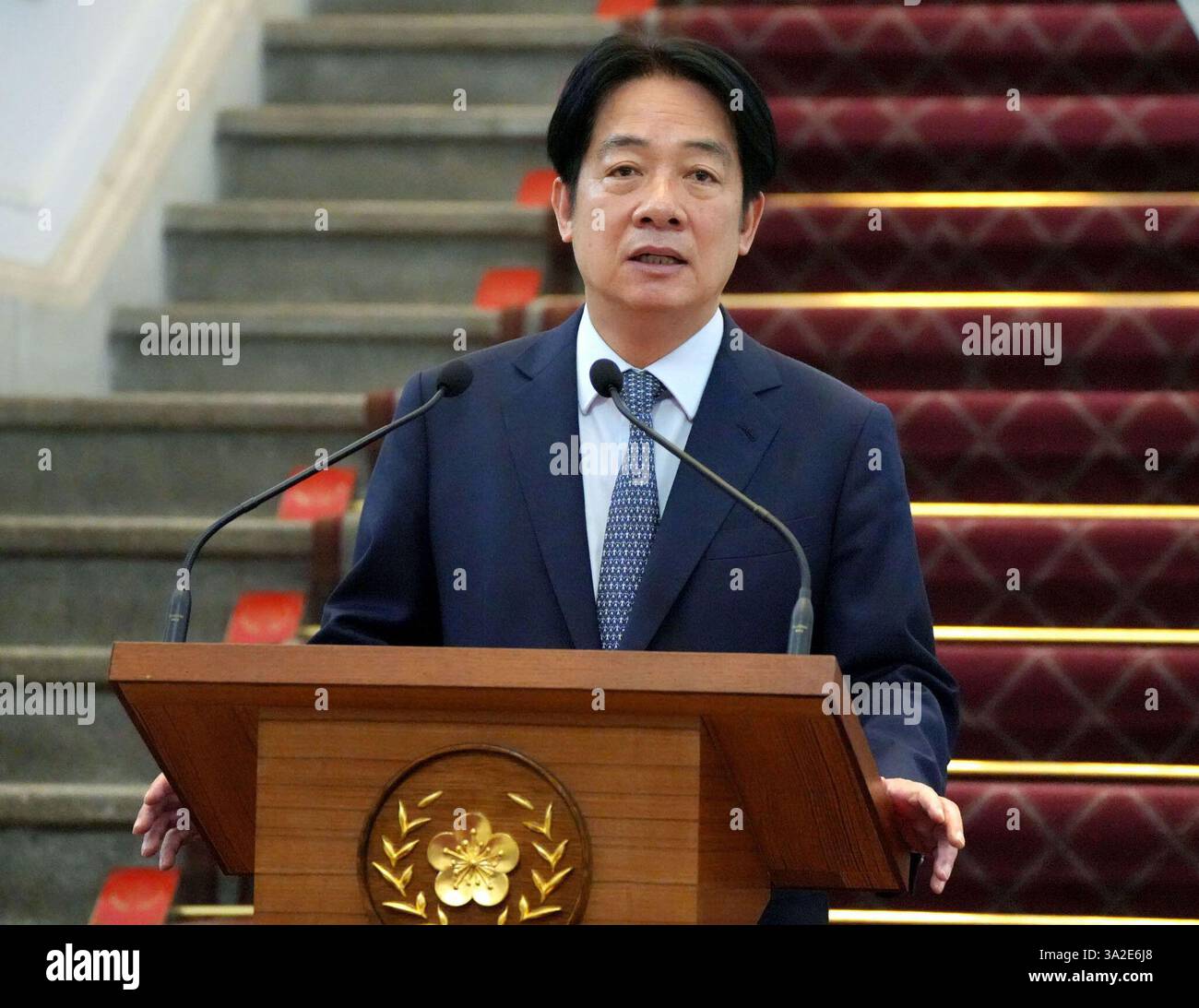
Taiwanese President Lai Ching-te announced a push for deeper technological and security integration with Japan, citing the need for resilient, democratic supply chains in the Indo-Pacific. Speaking at a news conference in Taipei, Lai emphasized that collaborative efforts in semiconductors, artificial intelligence, and unmanned aerial systems are essential to reducing reliance on Chinese manufacturing. This diplomatic shift follows increased regional tensions and comes amid reports of a pending $14 billion U.S. arms package for Taiwan.
Why is Taiwan seeking closer ties with Japan?
President Lai identified Japan and Taiwan as the primary drivers of a “free and open Indo-Pacific.” According to Lai, the two nations share a strategic interest in establishing supply chains that exclude Chinese influence. By coordinating on high-tech manufacturing, the administration aims to secure the production of critical components like semiconductors. This strategy mirrors recent U.S. efforts to “friend-shore” technology sectors, moving production away from geopolitical rivals to allies with shared security interests.
The semiconductor industry is often referred to as the “silicon shield.” Because Taiwan produces the vast majority of the world’s most advanced chips, global reliance on its stability acts as a deterrent against sudden military escalation.
How does the maritime security focus affect regional stability?
Lai called for increased coordination on maritime security and disaster preparedness between Taipei and Tokyo. While Japan and the Philippines have held talks regarding maritime boundaries east of Taiwan, Lai declined to comment on the specifics of those negotiations. According to his office, the government intends to protect its interests based on existing international norms and bilateral agreements. Beijing has publicly opposed these talks, leading to an increase in Chinese patrol activities in the waters surrounding the island.
The clash over territorial claims
President Lai explicitly rejected Beijing’s authority in the region. He stated that China is not a coastal party to these specific waters and therefore lacks the legal standing to assert claims. This position reinforces his broader policy that the Republic of China (Taiwan) and the People’s Republic of China are not subordinate to one another. Lai has consistently urged Beijing to renounce the use of force, a stance he reiterated during his media briefing.
What is the status of U.S. military support?
Military cooperation remains a pillar of Taiwan’s defense strategy. Reports indicate a proposed U.S. arms sale to Taiwan valued at approximately $14 billion. President Lai stated that he hopes the transaction will be finalized as soon as possible to bolster the island’s defensive capabilities. This arms package is intended to deter potential aggression and ensure the island maintains a credible self-defense posture, according to reports from the Japan Times.
Follow official updates from the Taiwan Ministry of Foreign Affairs to track shifts in regional trade agreements, as these often precede formal security pacts.
Frequently Asked Questions
Does Taiwan consider itself part of the People’s Republic of China?
No. President Lai has stated clearly that Taiwan is not part of the People’s Republic of China and that the two entities are not subordinate to each other.
Why are Japan and Taiwan collaborating on semiconductors?
Both nations aim to create “democratic supply chains” that are independent of China, ensuring that critical technology production remains within the control of allied nations.
What is the significance of the $14 billion U.S. arms sale?
The sale is intended to provide Taiwan with the necessary hardware to maintain a self-defense posture in the face of increased regional military pressure.
What are your thoughts on the shifting alliances in the Indo-Pacific? Join the conversation by leaving a comment below or subscribe to our weekly newsletter for the latest updates on regional security and trade.