
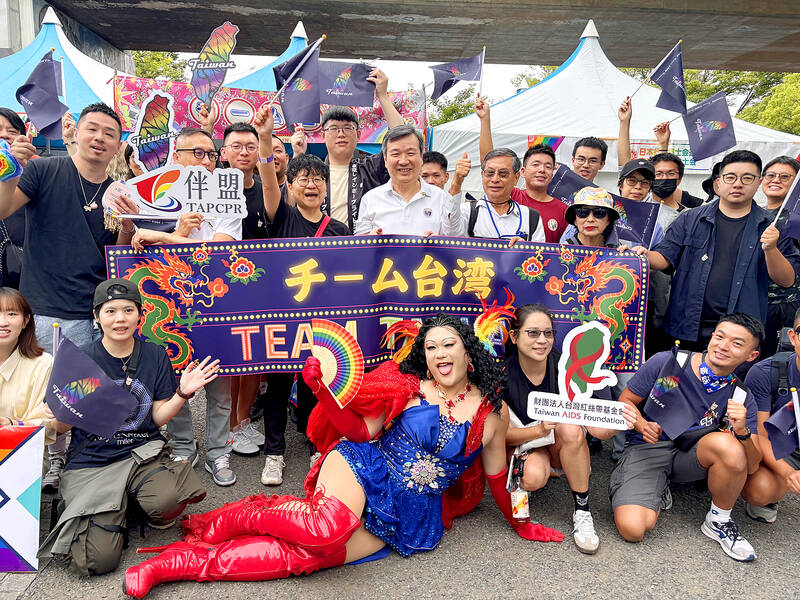
Taiwanese Groups Join Tokyo Pride to Showcase Equality and Culture
Taiwan is leveraging its status as Asia’s first same-sex marriage legalizer to lead regional LGBTQIA+ diplomacy. At the recent Tokyo Pride, “Team Taiwan”—comprising the Taiwan Alliance to Promote Civil Partnership Rights (TAPCPR) and the Taiwan AIDS Foundation—integrated traditional cultural symbols like temple fortunes to promote diversity and equality to over 200,000 attendees, according to reports from CNA.
Why is Taiwan blending LGBTQIA+ rights with traditional culture?
Taiwan isn’t just talking about laws; it’s rebranding its national identity. By bringing night markets and temple zodiac fortunes to Tokyo Pride, the nation is showing that progress doesn’t require erasing tradition. Team Taiwan reinterpreted temple fortunes through a gender-equality lens, turning a spiritual tradition into a tool for social advocacy.
This strategy moves the conversation from political debate to cultural experience. When people engage with a “fortune” that celebrates diverse identities, the message of equality feels organic rather than forced. It’s a sophisticated form of soft power that positions Taiwan as a bridge between conservative Asian values and modern human rights.
How does marriage equality drive Taiwan’s regional influence?
Legalization was the starting gun, not the finish line. Representative to Japan Lee Yi-yang stated that Taiwan now ranks among the top countries in gender equality indicators. This legal framework allows Taiwan to align itself with global democracies based on shared values of human rights and equality.
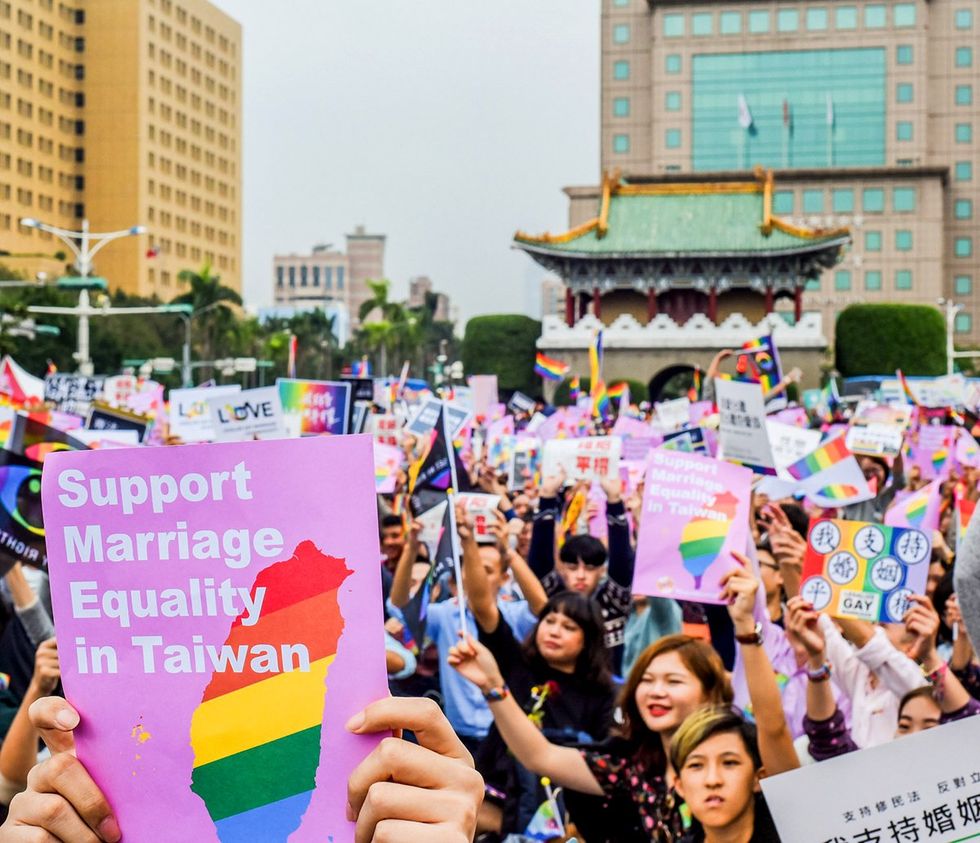
Compared to other nations in the region where LGBTQIA+ rights are often stalled or criminalized, Taiwan’s proactive stance creates a “lighthouse effect.” According to the TAPCPR, their participation in events like Tokyo Pride highlights Taiwan’s role as a pioneer of democracy in Asia. This isn’t just about social justice; it’s a diplomatic tool that builds strong ties with progressive organizations and companies globally.
For more on how this affects regional travel, check out our guide to LGBTQ+ friendly spots in Taipei.
What are the future trends for LGBTQIA+ diplomacy in Asia?
We are seeing a shift toward “Equality Tourism.” Representative Lee Yi-yang explicitly welcomed LGBTQIA+ supporters to visit Taiwan and experience diversity in everyday life. This suggests a future where human rights records become a primary driver for tourism and foreign investment.
Expect to see more “Team Taiwan” style initiatives where public health education—like the work done by the Taiwan AIDS Foundation—merges with cultural exchange. The integration of health, law, and culture creates a holistic model of advocacy that other Asian territories may eventually mirror as social pressures for equality grow.
Comparing the Approach: Taiwan vs. Regional Peers
While some countries focus solely on legal reforms, Taiwan’s approach is multi-dimensional. They combine legal milestones (2019 marriage law) with cultural reinterpretations (temple fortunes) and international visibility (Tokyo Pride). This contrast makes their advocacy more resilient because it’s embedded in the culture, not just the courtroom.
According to ILGA World, the global trend is moving toward comprehensive legal protections, but Taiwan’s specific blend of “tradition + progress” provides a blueprint for other East Asian societies struggling to balance heritage with human rights.
Frequently Asked Questions
When did Taiwan legalize same-sex marriage?
Taiwan legalized same-sex marriage in 2019, making it the first country in Asia to do so.
What is “Team Taiwan” in the context of Tokyo Pride?
It is a collaborative effort between the Taipei Economic and Cultural Representative Office in Japan, the Taiwan AIDS Foundation, and the TAPCPR to promote equality through cultural and health education.
How does Taiwan use culture to promote LGBTQIA+ rights?
By incorporating elements like night markets and reinterpreting traditional temple zodiac fortunes to reflect gender equality and diverse identities.
What do you think about the use of cultural symbols to promote human rights? Does it make the message more accessible, or does it dilute the political urgency? Let us know in the comments below or subscribe to our newsletter for more insights on Asian diplomacy and social trends.